
How Does a Drive Drum Pulley Improve Conveyor System Efficiency?
Article Summary
A drive drum pulley is a core power-transmission component in conveyor systems, directly determining operational stability, load capacity, and energy efficiency. This comprehensive guide explains how a drive drum pulley functions, common challenges faced by users, how to select the right pulley for different applications, and how proper design and maintenance can significantly reduce downtime and operating costs.
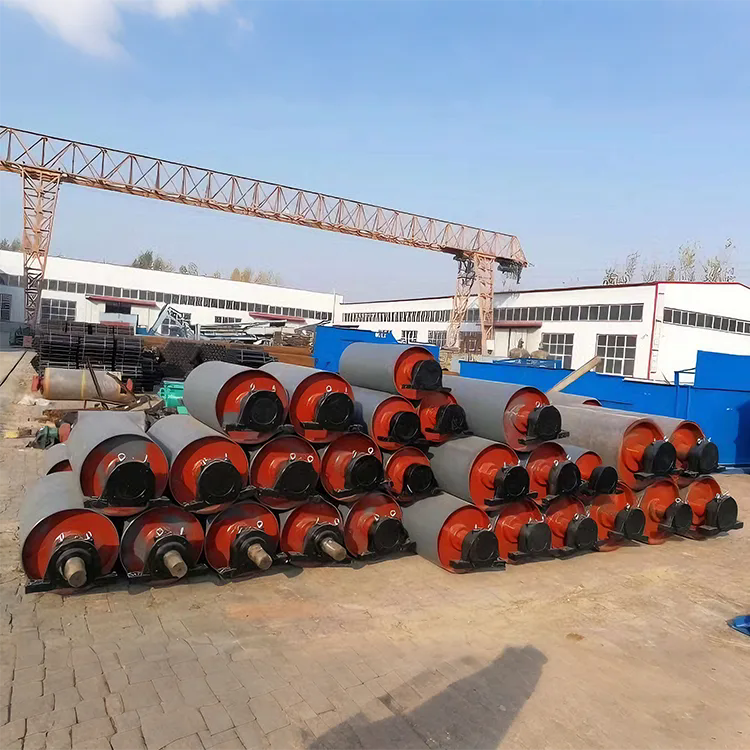
Table of Contents
- Article Outline
- Drive Drum Pulley Overview
- Key Customer Pain Points
- How a Drive Drum Pulley Works
- Common Drive Drum Pulley Types
- How to Choose the Right Drive Drum Pulley
- Technical Comparison Table
- Installation and Maintenance Considerations
- Application Scenarios
- Frequently Asked Questions
- Conclusion and Contact Us
Article Outline
- Understanding the role of drive drum pulleys in conveyor systems
- Identifying operational challenges and failure risks
- Evaluating design, material, and coating options
- Improving reliability through correct selection and maintenance
Drive Drum Pulley Overview
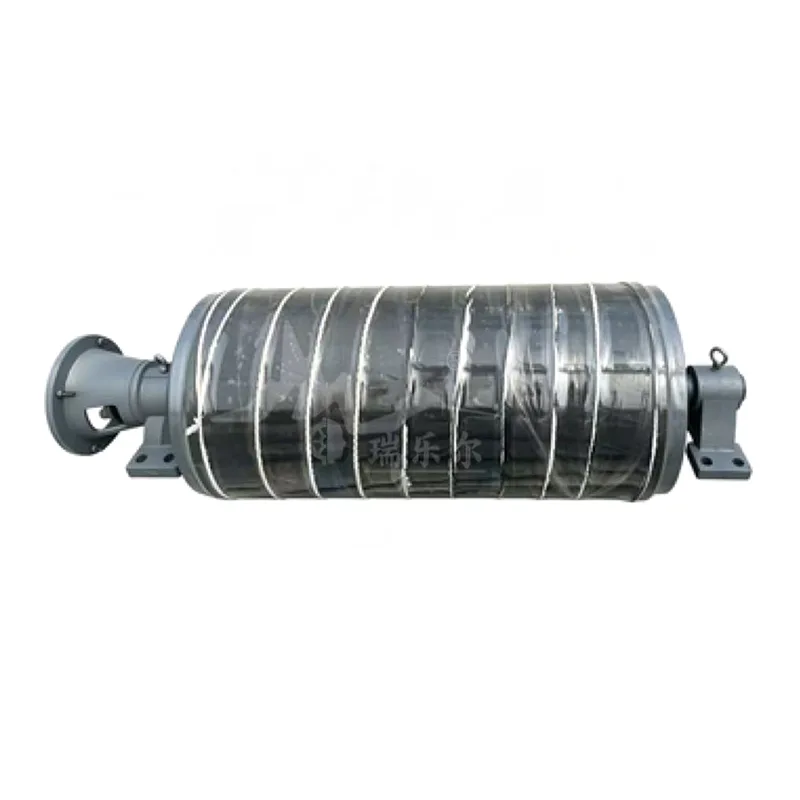
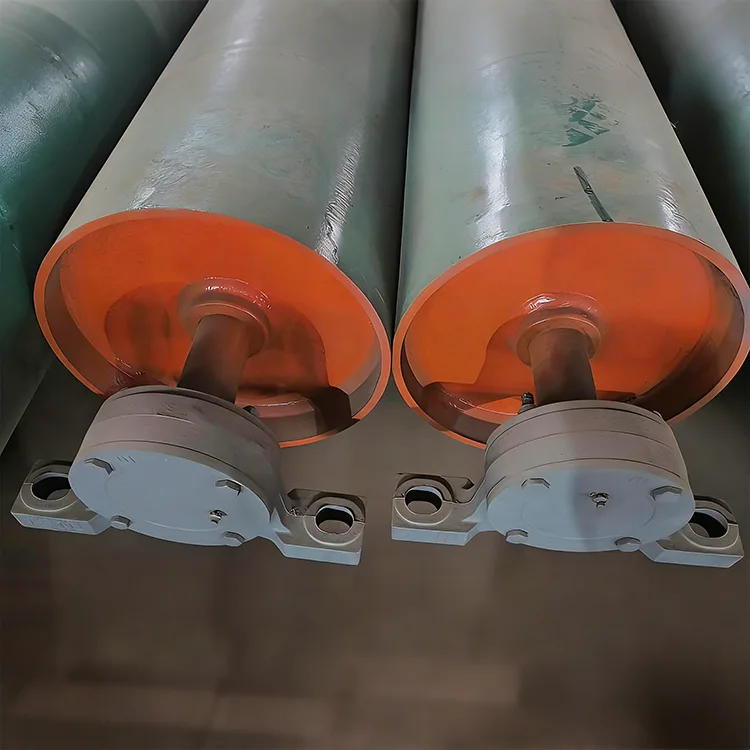
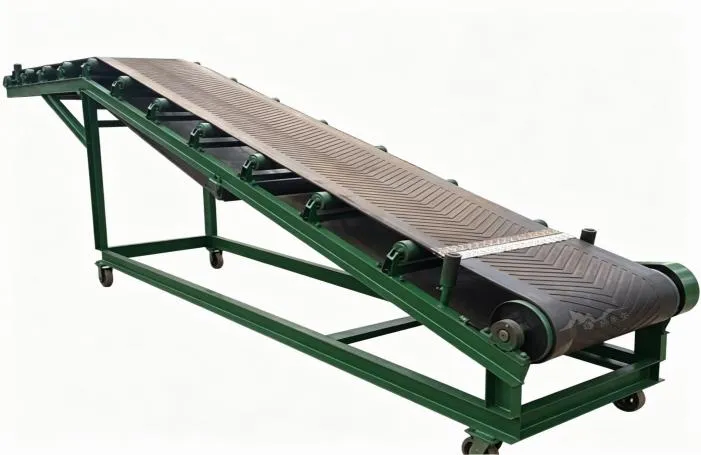
A drive drum pulley is the primary rotating component responsible for transmitting motor power to a conveyor belt. Positioned at the head or tail of a conveyor system, it converts rotational energy into belt movement through frictional contact. The performance of the drive drum pulley directly affects belt tracking, load handling, and system lifespan.
In heavy-duty industries such as mining, cement, ports, and bulk material handling, drive drum pulleys must operate continuously under high loads, abrasive materials, and harsh environmental conditions. Rui Le'er designs drive drum pulleys with structural integrity and surface performance in mind to ensure long-term reliability.
Key Customer Pain Points
Improperly selected or poorly manufactured drive drum pulleys often lead to recurring operational issues that increase maintenance costs and production losses.
- Belt slippage under heavy load
- Uneven wear on pulley lagging
- Shaft deflection and bearing failure
- Misalignment causing belt deviation
- Excessive vibration and noise
- Short service life in abrasive environments
These problems are typically caused by inadequate pulley diameter, incorrect lagging material, insufficient shaft strength, or poor welding quality.
How a Drive Drum Pulley Works
The drive drum pulley is connected to a motor through a gearbox or coupling. When the motor rotates, torque is transferred to the pulley shaft, causing the pulley shell to rotate. Friction between the pulley surface and the conveyor belt generates traction, pulling the belt forward.
Key factors influencing performance include surface lagging friction coefficient, belt tension, pulley diameter, and shaft rigidity. Optimizing these parameters ensures stable power transmission without excessive belt wear.
Common Drive Drum Pulley Types
Drive drum pulleys are available in multiple configurations to suit different operating conditions.
- Steel Drive Drum Pulley – High strength for heavy-duty conveying
- Rubber Lagged Drive Drum Pulley – Improved friction and reduced belt wear
- Ceramic Lagged Drive Drum Pulley – Superior slip resistance in wet conditions
- Wing Drive Drum Pulley – Self-cleaning design for sticky materials
How to Choose the Right Drive Drum Pulley
Selecting a suitable drive drum pulley requires a systematic evaluation of both mechanical and operational parameters.
- Conveyor belt width and tensile strength
- Required torque and power rating
- Operating environment (dust, moisture, temperature)
- Material characteristics and load conditions
- Lagging type and thickness requirements
Rui Le'er provides customized drive drum pulley designs based on load calculations and real operating conditions, helping customers reduce failure risks and extend service life.
Technical Comparison Table
| Pulley Type | Lagging Material | Main Advantage | Typical Application |
|---|---|---|---|
| Steel Drive Drum Pulley | None | High load capacity | Mining conveyors |
| Rubber Lagged | Rubber | Improved traction | General bulk handling |
| Ceramic Lagged | Ceramic tiles | Anti-slip performance | Wet or muddy environments |
| Wing Pulley | Open steel structure | Self-cleaning | Sticky material conveying |
Installation and Maintenance Considerations
Correct installation is essential for maximizing the performance of a drive drum pulley. Shaft alignment, bearing positioning, and belt tension must be accurately adjusted during installation.
Routine maintenance includes inspecting lagging wear, monitoring bearing temperature, checking shaft runout, and ensuring that fasteners remain secure. Preventive maintenance significantly reduces unexpected shutdowns.
Application Scenarios
Drive drum pulleys are widely used across multiple industries and conveying systems.
- Mining and quarry conveyors
- Cement and aggregate plants
- Port and bulk terminal handling systems
- Power plant material transport
- Steel and metallurgy production lines
Frequently Asked Questions
What causes belt slippage on a drive drum pulley?
Insufficient friction, incorrect belt tension, or unsuitable lagging material are the most common causes.
How long does a drive drum pulley typically last?
Service life depends on load, environment, and maintenance, but a properly designed pulley can operate reliably for many years.
Is ceramic lagging always necessary?
Ceramic lagging is recommended for wet or high-torque applications but may not be required for dry, light-duty systems.
Can drive drum pulleys be customized?
Yes. Dimensions, shaft design, lagging type, and balance grade can be tailored to specific conveyor requirements.
Conclusion and Contact Us
The drive drum pulley is a critical component that directly impacts conveyor performance, safety, and operating cost. By understanding its function, selecting the correct design, and maintaining it properly, businesses can achieve stable conveying and long-term operational efficiency.
Rui Le'er specializes in manufacturing high-quality drive drum pulley solutions engineered for demanding industrial applications. If you are seeking reliable performance, extended service life, and professional technical support, contact us today to discuss your conveyor system requirements and find the right drive drum pulley solution with Rui Le'er.
Next :
-
Related News
Leave me a message