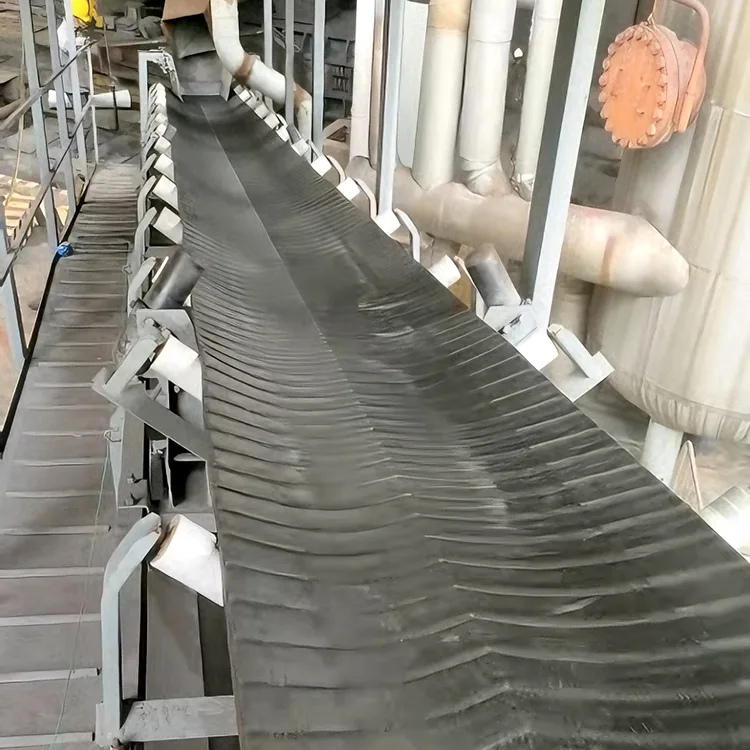
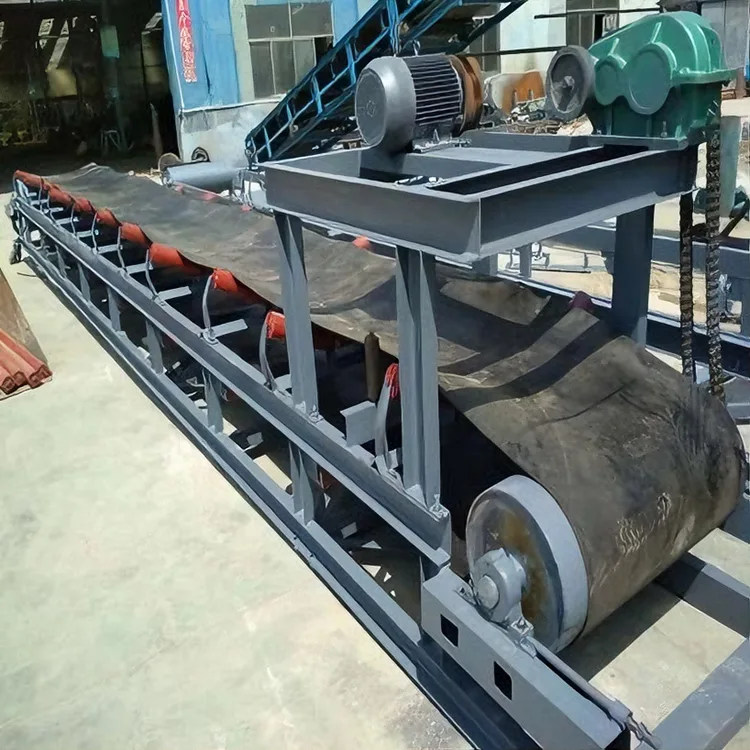
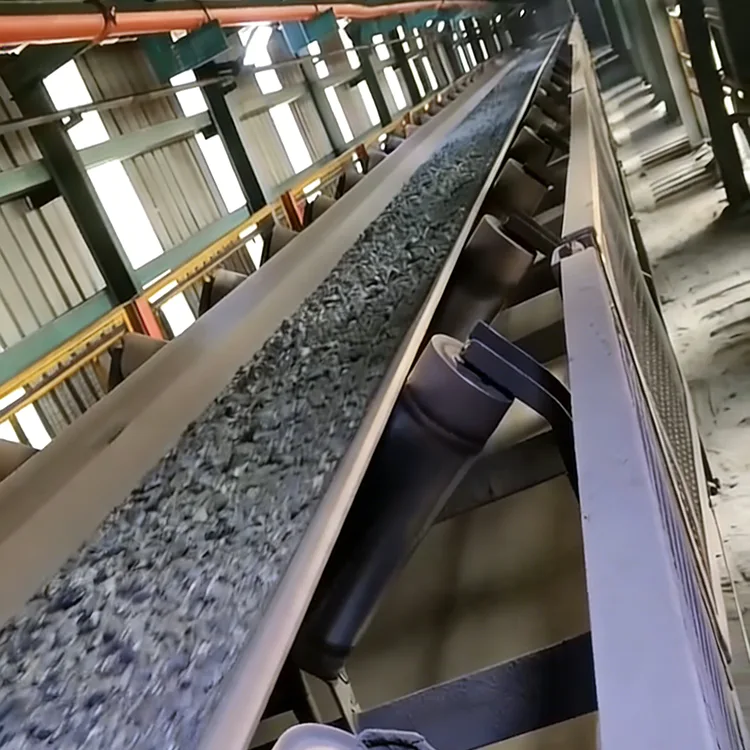
There are many causes for conveyor belt fires. Some are caused by internal faults of the conveyor belt itself, while others are caused by external fire sources. The editor will introduce to you the reasons for conveyor belt fires caused by internal faults.
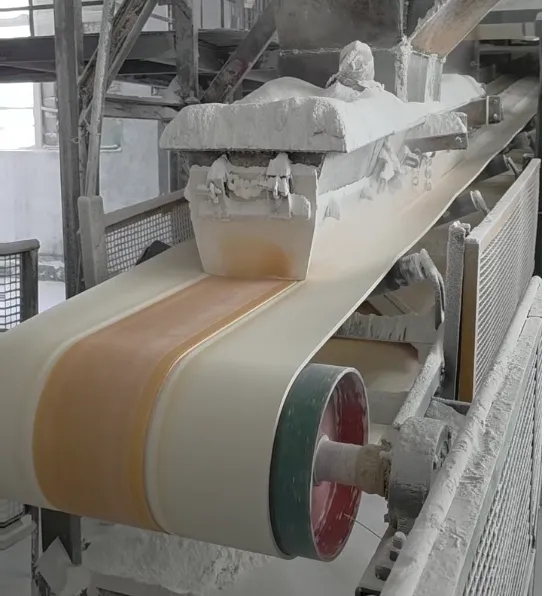
1. Fire caused by slipping of the drum
(1) The rubber or wooden liners covering the transmission drum have been severely worn, reducing the friction coefficient and causing the conveyor belt to slip.
(2) The surface of the transmission drum being wet causes the conveyor belt to slip, such as when there is water seeping out of the coal.
(3) Coal buried at the machine head causes the coal to enter between the surface of the drum and the conveyor, reducing the friction coefficient and causing the conveyor belt to slip.
(4) The tensioning device has insufficient tension, resulting in a decrease in traction and causing the conveyor belt to slip.
(5) The damaged and stuck bearing of the driven drum causes the speed of the driven drum to decrease or stop, resulting in the rubber conveyor belt slipping relative to the drum.
Whether it is the transmission drum or the driven drum, as long as the slipping phenomenon occurs, the surface temperature of the drum will rise rapidly. According to statistics, when the conveyor belt slips for about 40 minutes and the surface temperature of the drum reaches around 320℃, the conveyor belt will start to smoke. 320℃ is already the critical temperature for ignition. Therefore, the hazard of drum slipping, if it persists for a long time, can cause the conveyor belt to catch fire, thereby leading to an accident.
2. Fire caused by idler rollers
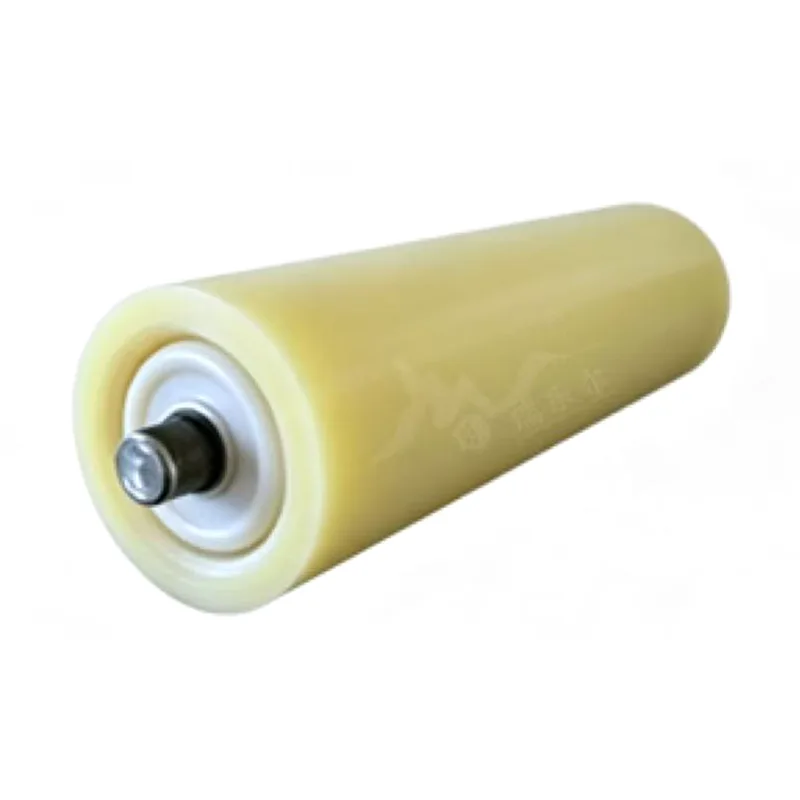
In recent years, the fire caused by the idler rollers not rotating and resulting in an increase in their temperature has been one of the main causes of fires in coal mine conveyance systems.
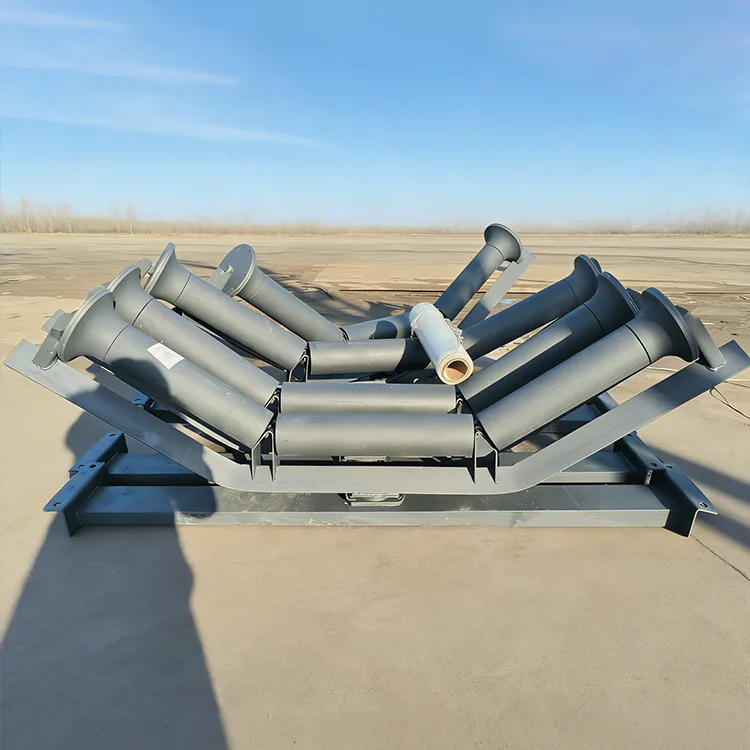
The conveyor belt runs together with the coal on the idler rollers, serving both as a traction mechanism and a load-bearing mechanism. There is no relative motion between the coal and the conveyor belt, and thus no frictional resistance between them. Since the idler rollers are equipped with rolling bearings, the friction between the conveyor belt and the idler rollers is rolling friction, and the running resistance is very small. However, due to the poor underground environmental conditions, coal dust is easily introduced into the bearings inside the idler rollers. The coal dust can cause the bearings to become stuck. After the conveyor belt gets stuck on the idler rollers, it runs in friction, causing the temperature of the idler rollers to rise. Observations show that fires caused by idler roller friction usually occur after the machine stops. Before the machine stops, the conveyor belt runs at a speed of 1 to 3 revolutions per minute, and the contact time between the fixed points on the conveyor belt and the idler rollers is short. The temperature of the conveyor belt rises very little. Moreover, the airflow generated during the operation of the conveyor belt can also reduce the temperature on the surface of the idler rollers. Therefore, during normal operation, even with friction, the conveyor belt is not prone to catching fire. After the machine stops, the lower idler rollers will stop rotating, and the non-rotating lower idler rollers are the main cause of the fire. Because there is usually accumulated coal powder around the non-rotating lower idler rollers, surrounded by the coal powder, the heat dissipation conditions of the idler rollers will deteriorate, thus causing a fire. This is especially true at the lower idler rollers near the unloading drum and the tail drum, where coal is prone to spillage.
3. Drum Friction Test
The drum friction test refers to the situation where, during the drum friction test of the conveyor belt sample, no flame or non-flame combustion phenomena shall occur at any part of the sample, and the surface temperature of the drum shall not exceed 325℃. The conveyor belt sample is installed in the drum friction test device, and the upper and lower covering layers are tested in both still air and flowing air. During the test, a pulling force of 343N is applied, and the drum rotates at a speed of (200.4 - 5)r/min in the direction away from the fixed end of the sample. If the conveyor belt sample breaks within 60 minutes, the test is stopped. If it does not break, the test continues until 60 minutes are reached and then stops. During the test, the test personnel should remain at the test site and observe at any time whether there is flame combustion or non-flame combustion phenomena in the sample, and record the test time and the surface temperature of the drum.
The drum friction test simulates the harsh environmental conditions during the operation of a belt conveyor, where the conveyor belt directly rubs against the steel drum, and there should be no flame-burning or smoldering phenomena. When conducting the drum friction test of flame-retardant conveyor belts in the laboratory, the smoke temperature of the fabric core flame-retardant conveyor belt is approximately 220-250°C, while that of the steel wire rope core flame-retardant conveyor belt is approximately 250-280°C, and there is no flame-burning or smoldering phenomenon. However, there may also be temperatures exceeding the specified value reaching 360°C and even higher, accompanied by combustion phenomena. It is worth noting that the ignition temperatures of the fabric core flame-retardant conveyor belt and the steel wire rope core flame-retardant conveyor belt are 280-300°C and 320-340°C respectively, and this temperature is close to the smoke temperature of 330-350°C and the ignition temperature of 420-440°C of coal powder. If the management and use of the conveyor belt are improper, it is very likely to cause a fire. Fire is a serious accident of belt conveyors. Once it occurs, it will cause major casualties and huge property losses. Therefore, conducting the drum friction test before the conveyor belt is lowered into the mine is very necessary.
4. Maintenance Management
1. Daily Inspection
Shorten the storage time and pay attention to conducting regular inspections for high-temperature prevention, corrosion prevention, and moisture prevention. Before use, send it to relevant units for inspection to ensure that the conveyor belt used complies with the relevant technical standards.
2. Conveyor inspection
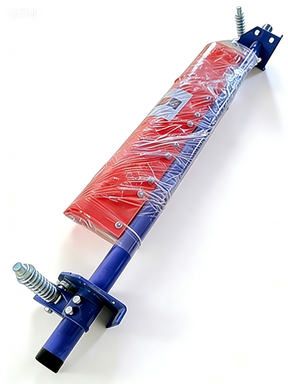
Each roller should rotate smoothly, with fastening parts firmly attached, and the bearings should be well lubricated; the body idlers should be complete and rotate smoothly; the H-frame and beam frame should be stable without any skewing; the tensioning device should be complete, with appropriate tension, and the conveyor belt should not slip; the cleaning device should work well, especially the cleaning devices at the unloading roller and the tail roller, to ensure that the surface of the cleaned conveyor belt is free of floating coal, debris, etc.
3. Protection devices
The conveyor should be equipped with temperature, speed, smoke, coal pile-up, etc. protection devices. These devices must be sensitive and reliable so that the machine can be stopped promptly in case of any problem, thereby reducing the scope of the accident.
4. Tunnel Environment
To improve the tunnel environment, efforts should be made to reduce the water seepage in the tunnel, and ensure that the water flows down along the tunnel walls. Additionally, measures such as waterproofing and leak sealing, grouting to block water, or engineering well sealing should be adopted. For acidic mine water, prevention should be the priority, and efforts should be made to avoid acidic water droplets from falling onto the conveyor belt. The tunnel should be kept clean and hygienic. In particular, the coal sludge under the conveyor belt at the bottom of the machine should be frequently cleaned to ensure the normal operation of the bottom idler rollers.
We use cookies to offer you a better browsing experience, analyze site traffic and personalize content. By using this site, you agree to our use of cookies.Privacy Policy