
Why does idler seizure threaten the stable operation of belt conveyors globally?
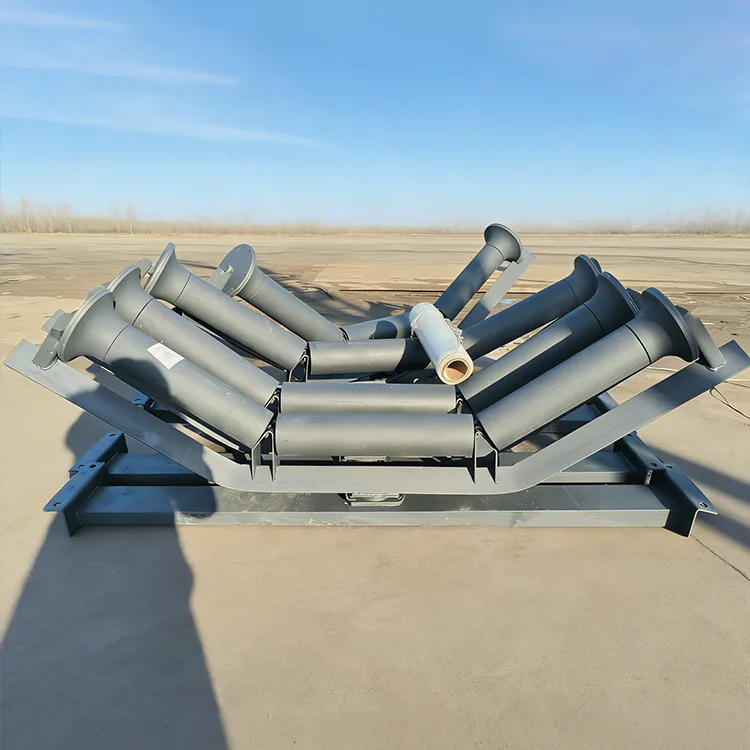
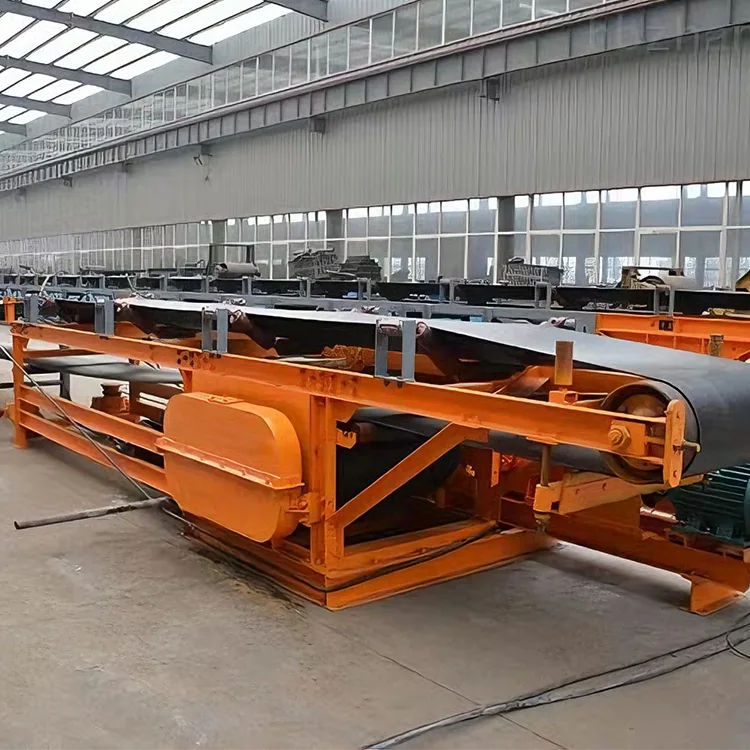
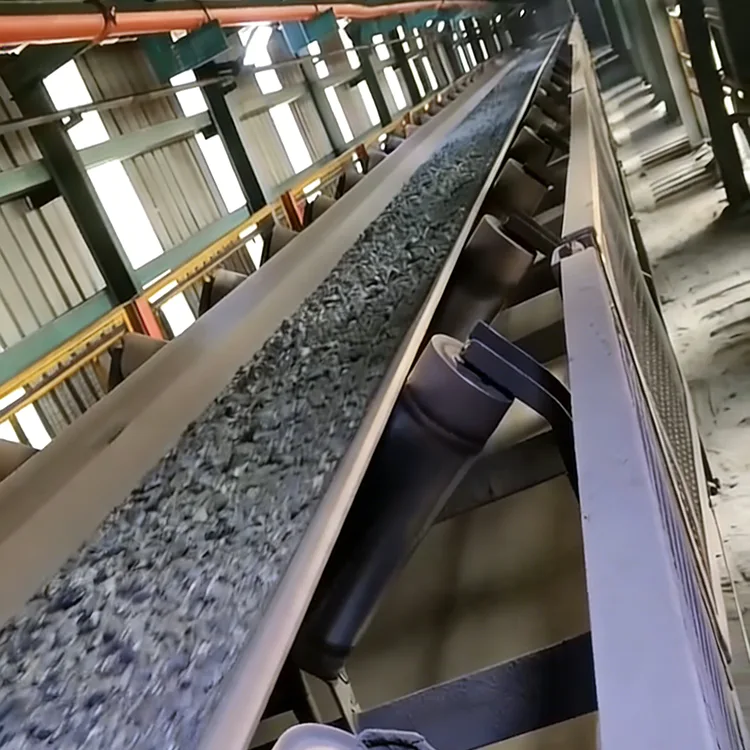
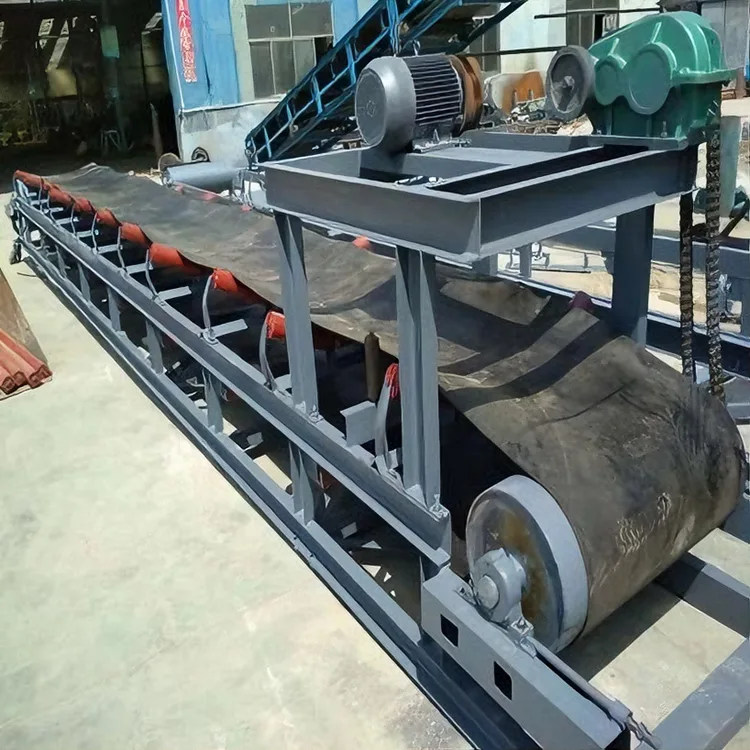
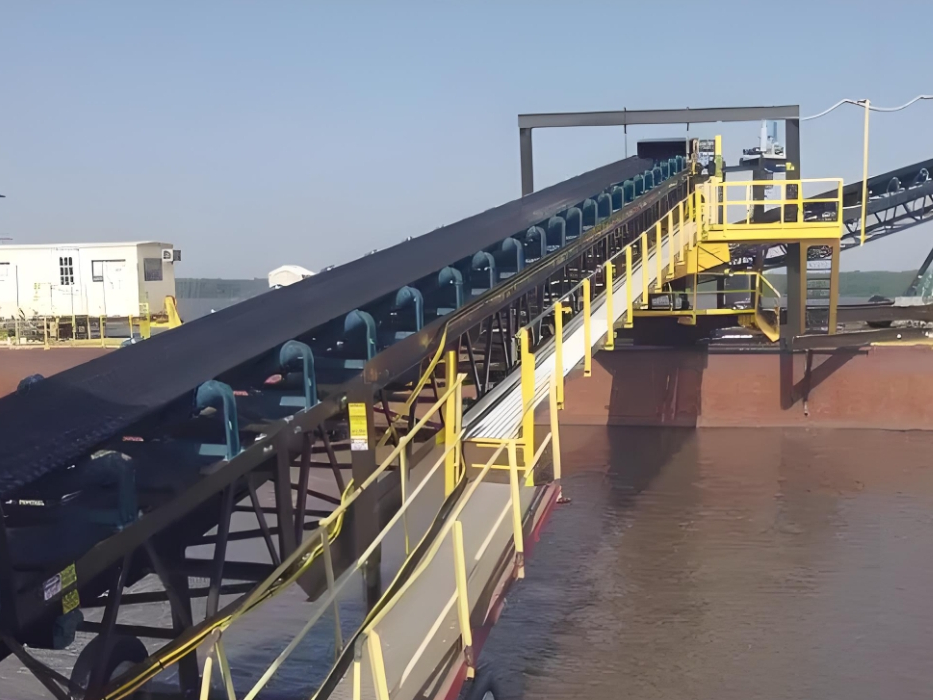
In mining, ports and other industrial sectors worldwide, idlers are the most numerous and widely distributed basic components of belt conveyors, whose operating status directly determines the reliability of the entire production line.
Idler seizure is recognized as one of the most frequent failures in the industry. Without a routine prevention and rapid response mechanism in place, it will cause customers multiple losses far exceeding the value of the equipment itself.


Damage from Abrupt Friction Change:
Under normal operation, extremely low-friction, low-loss rolling friction exists between the conveyor belt and the idlers. Once idler bearing seizure or seal failure restricts rotation, the friction mode instantly converts to highly destructive sliding friction, with the friction coefficient surging more than 10 times.
Such intense friction inflicts dual damage on the equipment:
·the rubber cover of the conveyor belt wears out rapidly at several times the normal rate, resulting in edge abrasion, cracking, and even longitudinal tearing at stress-concentrated areas.
·Idler seizure leads to accelerated wear of internal bearings and seals, which may further result in seizure, corrosion or fracture. This eventually causes complete failure of the idler and a sharp rise in equipment maintenance costs.
Surge in System Energy Consumption & Hidden Capacity Losses:
While a single seized idler may seem insignificant, multiple non-rotating idlers combined can drastically increase the overall running resistance of the conveyor system.
To maintain rated belt speed, the drive motor is forced into continuous overload operation. This not only drives up unit energy consumption and electricity costs for operators, but also subjects the motor to persistent overheating, significantly shortening its service life.
Worse still, excessive resistance can reduce belt speed and directly lower material throughput. For mines, ports and other 24/7 continuous operation sites, even a 10% drop in production capacity translates to thousands of tons in monthly material handling losses, directly impacting order fulfillment and operational profitability.
Chain Reaction of System Failures Caused by Conveyor Belt Misalignment:
Under normal operation, properly functioning idler sets ensure stable centered tracking of the conveyor belt through their trough configuration and self-aligning function.
When idlers on one side fail to rotate, a significant imbalance in running resistance develops across the belt width, forcing the conveyor belt to drift toward the high-resistance side and resulting in misalignment.
Belt misalignment not only causes extensive material spillage, leading to raw material waste and on-site environmental pollution, but also triggers severe friction between the belt edges, the frame and the chute, further accelerating belt wear and damage.
In extreme cases, severe misalignment can lead to belt derailment, triggering an emergency shutdown of the entire conveying line, and even resulting in equipment overturning accidents.
Critical Safety Hazards Caused by Heat Accumulation:
Frictional heat generated by idler seizure cannot be dissipated through normal rotation, resulting in localized hot spots and a rapid rise in surface temperature.
When conveying flammable materials such as coal, high temperatures may trigger spontaneous combustion or explosions, making it one of the most severe safety hazards in the mining and chemical industries.
In addition, high temperatures accelerate the aging and hardening of conveyor belt rubber, reducing its tensile strength and flame-retardant performance and creating further safety hazards.
Idler seizure may cause other components to operate under overload. For instance, motors and gear reducers may burn out due to continuous overload and overheating, leading to more severe equipment failures and safety incidents.
Exponential Rise in Operation:
Failures caused by non-rotating idlers present a significant amplification effect on operational risks.
In terms of direct costs, frequent replacement of damaged idlers and conveyor belts leads to a substantial increase in spare parts procurement expenditure.
For indirect losses, unplanned downtime not only results in production interruption, but also disrupts the normal operation of upstream and downstream processes, causing a chain reaction across the entire production line.
Recommendations on Idler Seizure:
Regularly inspect and maintain key components to eliminate potential hazards in advance.
Establish a rapid response system for timely disposal of idler seizure failures to prevent chain reactions.
Strengthen daily operation and maintenance, standardize installation and application procedures, and reduce failure rates.
Keep sufficient spare parts in stock to minimize losses caused by unplanned downtime.
For the conveying of flammable materials, enhance heat dissipation monitoring to prevent safety accidents and ensure safe and efficient operation of industrial conveying systems.
Related News
- How to Inspect and Replace Drive Pulley Lagging?
- What are the safety regulations for mining belt conveyors?
- What are the root causes of high energy consumption in conveyor drive systems?
- How to effectively prevent conveyor belt slippage?
- Selection guide for primary cleaner
- What are the precautions for the maintenance and repair of conveyor belts?
Leave me a message