
How to Keep Mine Conveyors Running Safely Through the Rainy Season?
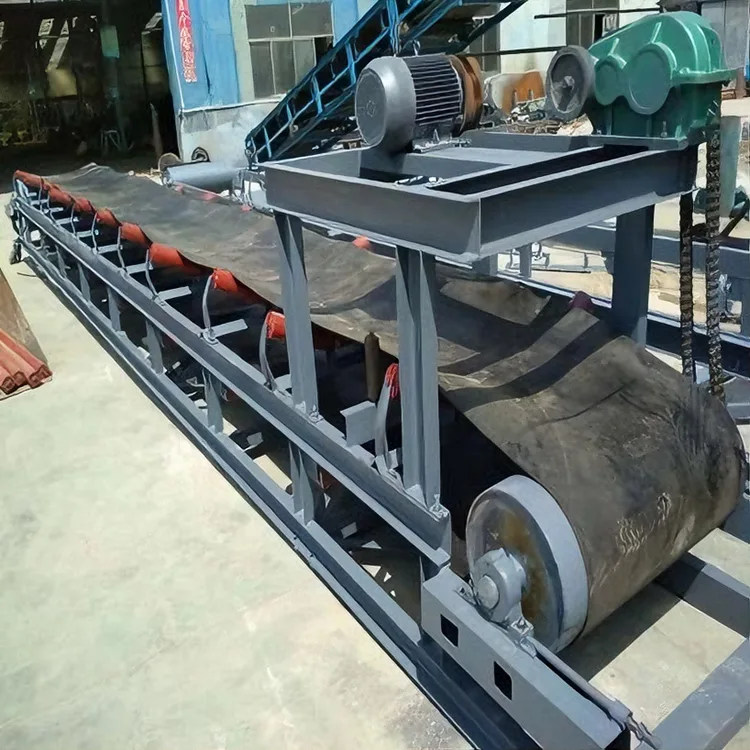
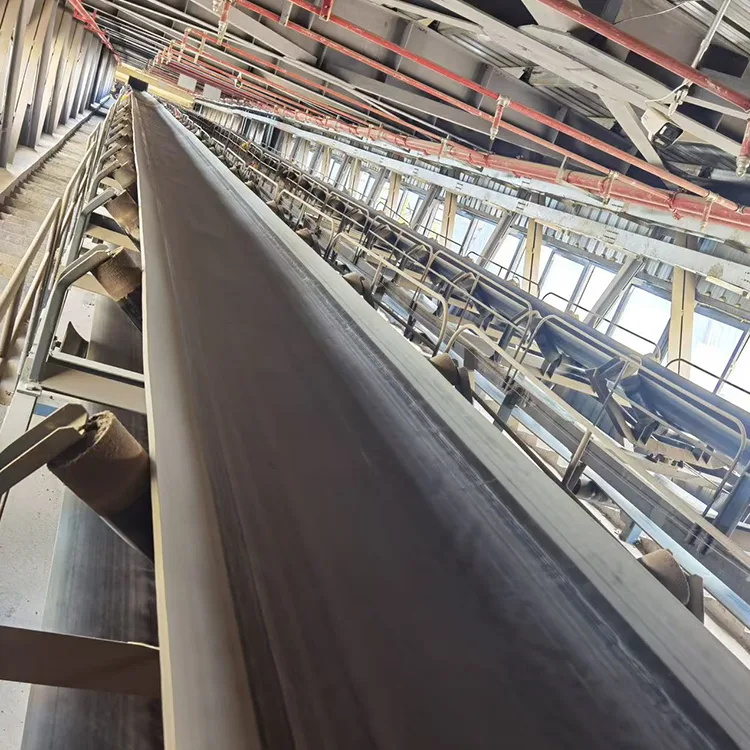
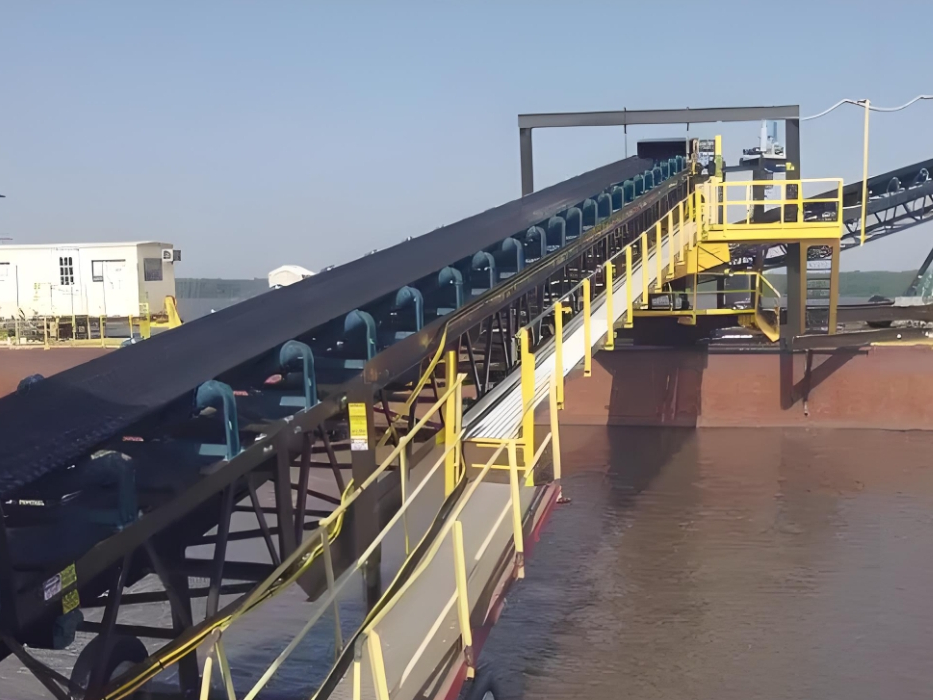
For mines worldwide, the rainy season sees a high rate of conveyor failures, most of which start with trough idlers. Conveyor breakdowns in rainy weather are mainly caused by idler failure, and abnormal noise can easily lead to shutdowns and safety hazards. Mastering preventive and control measures is critical to ensuring continuous production.
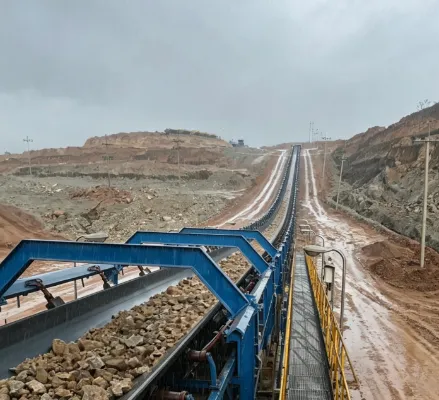
A.Why Rainy Seasons Accelerate Trough Idler Failures.
B.Excluding external factors such as belt friction and frame resonance, abnormal noise and performance degradation of idlers in rainy seasons mostly stem from three core causes.
1.Seal Failure and Bearing Seizure
·Low-grade trough idlers usually adopt thin single-layer sealing structures, which cannot effectively resist erosion from rainwater, ore slurry and saline-alkali vapor.
·Dry, unlubricated bearing balls first produce a continuous low-frequency hum, then wear rapidly. In severe cases, bearings can seize completely. A seized idler creates sliding friction with the running belt, generating high temperatures that can ignite accumulated coal dust and lead to conveyor fires — a hazard well-documented in mine safety records.
2.Ground Settlement and Installation Misalignment
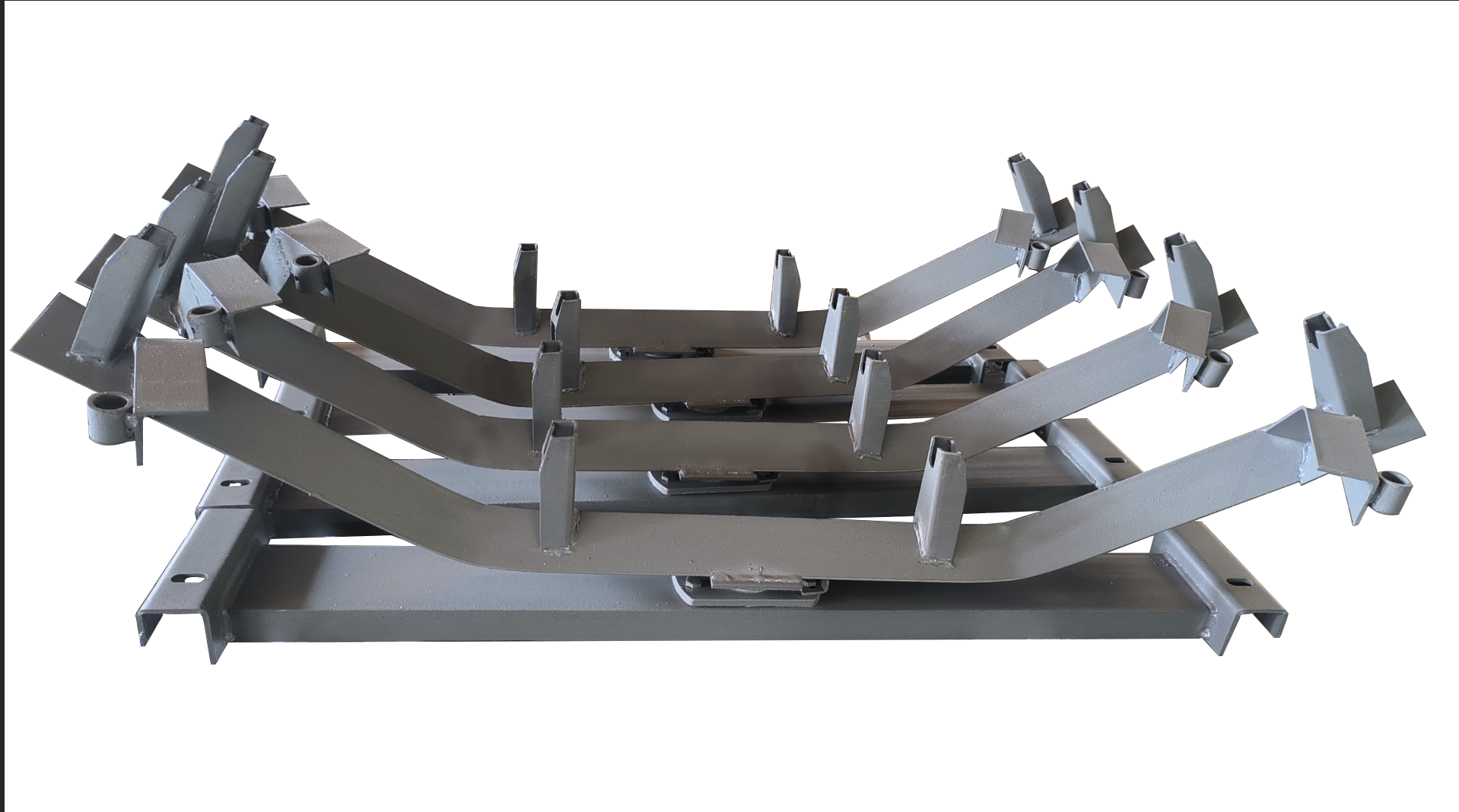
·Prolonged rain softens soil and triggers foundation settlement, which gradually loosens conveyor support brackets. Over time, trough idlers shift out of horizontal alignment with the belt.
·As the belt runs, it exerts steady lateral thrust on misaligned idlers, causing repeated friction between shaft ends and end caps. This creates intermittent clattering noise and frequently leads to belt deviation and material spillage, both of which raise on-site safety risks and accelerate belt edge wear.
3.Corrosion Worsens Dynamic Balance Defects
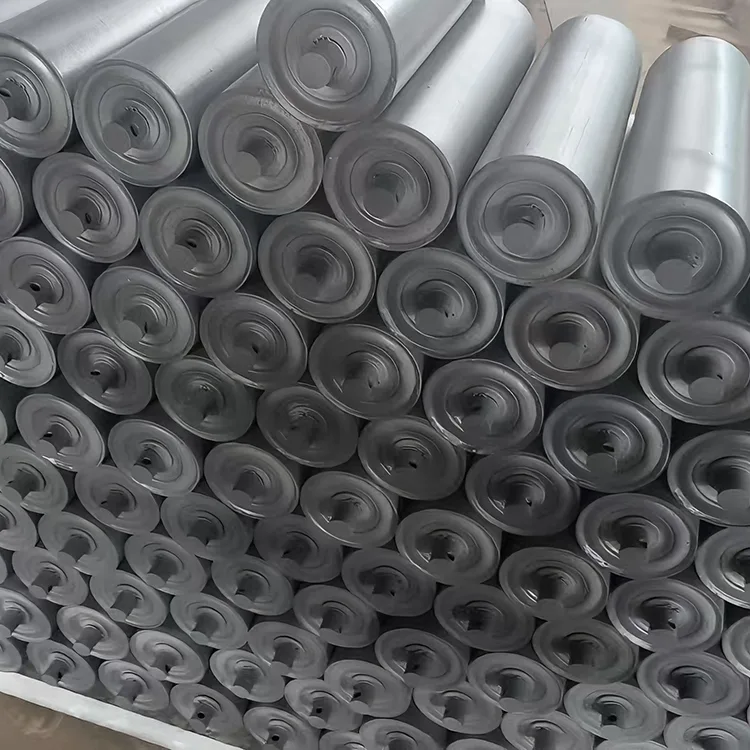
·Budget-tier trough idlers are typically cut from standard steel tubes with no factory dynamic balance calibration and minimal anti-corrosion treatment. Rainwater corrodes the roller surface, creating uneven wall thickness that amplifies existing concentricity errors.
·Under full load, the unbalanced roller emits sharp squealing noise. Long-term operation under these conditions can cause roller deformation or even fracture. Because the noise is barely noticeable at idle, the fault often remains hidden until catastrophic damage occurs.
C.On-Site Fixes: Maintain Safety Without Production Shutdown
Overseas mining sites commonly face long spare parts lead times and extremely high downtime costs. Fortunately, most rainy-season idler noise and performance issues can be resolved with simple on-site adjustments — no full shutdown required.
1.Support Alignment Calibration After Heavy Rainfall
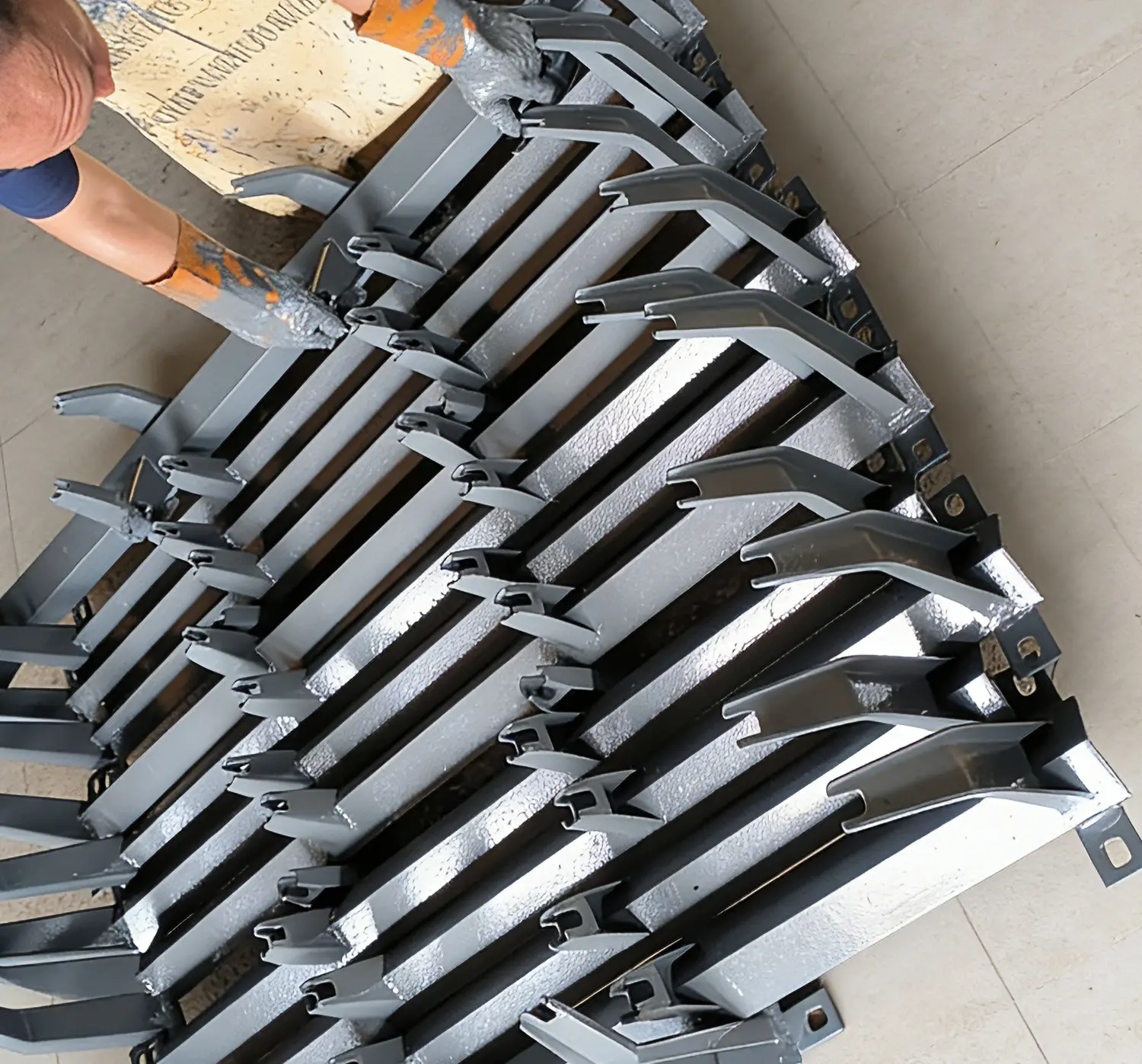
Conduct a comprehensive support inspection following every heavy rain event. Tighten loose mounting bolts and adjust the horizontal angle of upper trough idlers to ensure full, even contact between roller bodies and the belt, eliminating lateral pressure and friction.
·One standardized adjustment ensures stable, low-noise operation for 6 to 12 months.
2.Replenish Water-Resistant Grease.
·For slightly dry bearings without obvious rust, fill them with high-low temperature grease suitable for harsh mining conditions.
·Premium water-resistant and anti-corrosion grease prevents high-temperature carbonization and low-temperature solidification of grease, and slows down water erosion to bearings.
D.Long-Term Rainy Season Reliability Starts With Idler Selection.
Temporary on-site fixes only address symptoms. For 3–5 years of maintenance-free, quiet and safe conveyor operation through repeated rainy seasons, procurement and engineering teams must prioritize two critical specifications when selecting trough idlers.
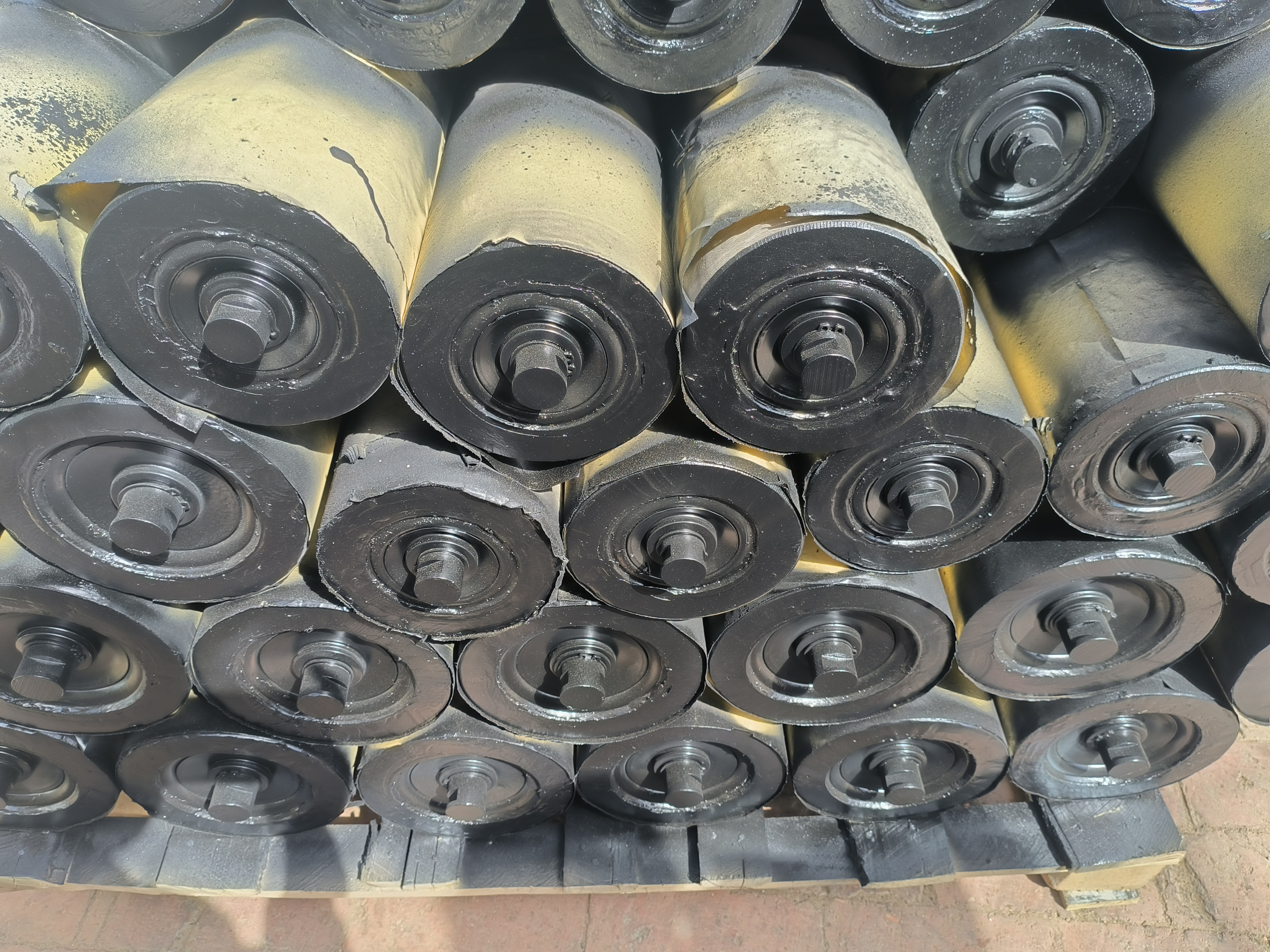
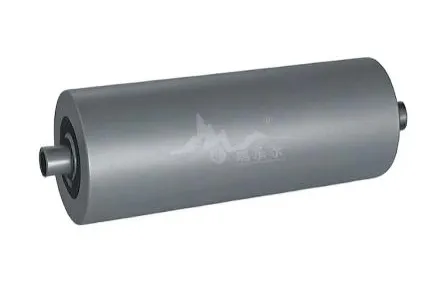
·Prioritize trough idlers featuring a composite sealing structure of triple labyrinth plus double-lip oil seals. The dual-barrier sealing system effectively blocks intrusion of rainwater, ore slurry and dust, and is perfectly suited for mining sites with high corrosion, high humidity and heavy dust.
·Roller bodies with standardized anti-corrosion treatment and precise dynamic balance calibration will not experience intensified runout or worsening abnormal noise, even under long-term erosion in humid working conditions.
Combining regular routine inspections, targeted on-site maintenance and standardized high-quality idler selection not only reduces equipment maintenance costs, but also helps overseas mines meet strict occupational noise and safety compliance requirements, avoid unexpected penalties and guarantee production continuity throughout the rainy season.
Previous :
-
Related News
- Does Pulley Material Buildup Reduce Conveyor Efficiency?
- How to Select Conveyor Frame Materials for Humid Environments?
- Why does long-distance belt conveyor keep spilling material and drifting off track? The trough idlers hold the answer.
- How to Inspect and Replace Drive Pulley Lagging?
- What are the safety regulations for mining belt conveyors?
- What are the root causes of high energy consumption in conveyor drive systems?
Leave me a message