
Why do conveyor idler brackets fracture easily in heavy-duty mining areas?
Conveyor idler bracket fracture is a major safety hazard in heavy-duty mining. In-service failure can cause full production shutdown, equipment damage and even casualties. With clear root causes and effective preventive measures available, this article analyzes the underlying reasons and provides actionable solutions tailored to mine operation needs.
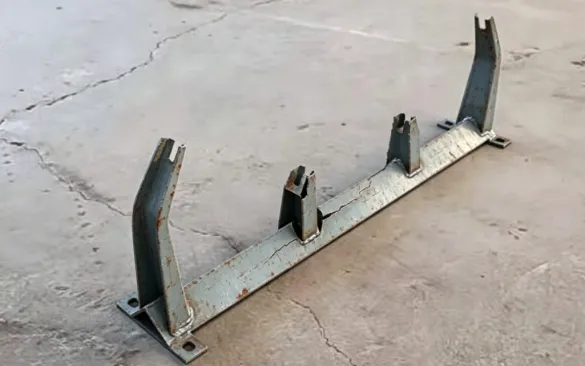
A.Core Causes of Conveyor Idler Bracket Fracture
1.Impact energy exceeding design load capacity
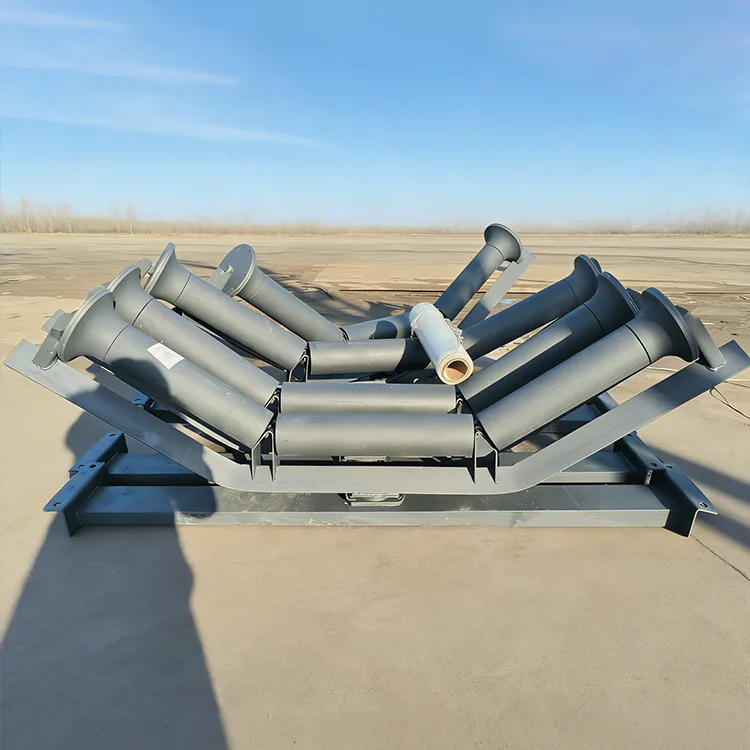
In high-impact areas such as crusher discharge outlets and transfer points, the impact force of falling bulk ore is transmitted to brackets via idlers. Traditional rigid idlers cannot dissipate energy, so stress concentrates on idler slots and weld seams, causing slot deformation, rapid crack propagation and eventual bracket fracture.
2.Design and manufacturing defects
Mismatched material strength for heavy-duty conditions, stress concentration from undersized slot transition fillets and unreasonable stiffener layout, plus welding defects such as incomplete penetration, slag inclusions and porosity, will greatly reduce structural strength and lead to premature failure under rated load.
3.Structural fatigue from alternating loads
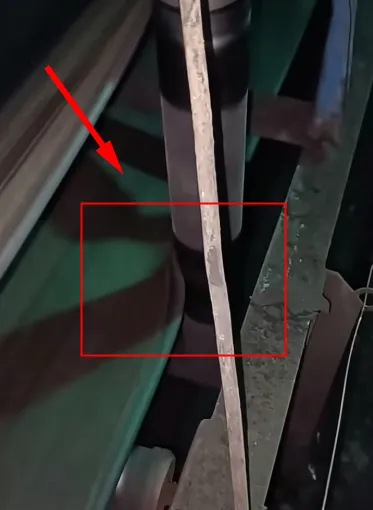
Under long-term repeated alternating loads from the belt and conveyed materials, internal micro-damage in the material accumulates into visible cracks and eventually causes fracture. Early signs of fatigue include abnormal vibration, frequent bolt loosening and increased operating noise.
4.Corrosion and insufficient maintenance
Humid mining environments, material accumulation and chemical corrosion continuously weaken bracket strength. Without accessible cleaning and inspection channels, corrosion and internal cracks may go undetected for a long time, resulting in sudden fracture after a sharp drop in bearing capacity.
B.Key Strategies for Preventing Conveyor Idler Bracket Fracture
1.Optimize idler and bracket structure in impact zones
· In high-impact zones, replace the existing idlers with dedicated rubber impact idlers. Retrofit
the original three sets of impact idler assemblies into five denser sets, or upgrade to impact beds to disperse single-point impact loads.
· Implement targeted reinforcement for stress concentration areas such as bracket channels an
stiffening ribs, and optimize the structural design of transition fillets to eliminate fracture risk
points at the structural level.
2.Regularly inspect the vibration characteristics of conveyor idler brackets
Monitor the bolt tightening status and structural alignment to define operational indicators, such as load limits and vibration thresholds. Timely repair welding and reinforcement must be carried out before fatigue damage reaches the critical stage to prevent further defect propagation.
3.Implement anti-corrosion protection and cleaning maintenance
Ensure intact anti-corrosion coating on bracket surfaces from the design stage, and reserve operation space for convenient cleaning and inspection. Promptly remove accumulated materials and debris on bracket surfaces during daily operation to avoid moisture retention and medium adhesion and slow down corrosion.
4.Establish a Comprehensive Inspection System
Build a standardized three-level inspection mechanism consisting of:
· Visual Inspection: Checking for weld cracks, corrosion, and structural deformation.
· Dimensional Measurement: Verifying bracket spacing, structural alignment, and fit clearances.
· Vibration Analysis: Monitoring internal fatigue damage.
This mechanism ensures full-coverage detection across all load-bearing components.
C.Conveyor Idler Bracket Fracture Is Preventable and Controllable
1. Impact control, structural optimization, fatigue monitoring, anti-corrosion maintenance, and regular inspection can effectively prolong bracket service life, reducing equipment downtime and accidents. As prevention costs are significantly lower than repair costs, it is advised to deploy protective measures expeditiously to ensure operator and machinery safety.
2. For further details or tailored heavy-duty conveyor idler bracket solutions, please feel free to contact our team. We specialize in delivering reliable conveyor components engineered specifically to withstand severe mining environments worldwide.
Related News
- Guide to Daily Inspection and Quick Replacement of High-Elastic Buffer Bars in Guide Chute Under Harsh Copper Mine Conditions
- What is carryback? How to eliminate it?
- How to Stop Belt Edge Wear Against Conveyor Frame
- Does Pulley Material Buildup Reduce Conveyor Efficiency?
- How to Keep Mine Conveyors Running Safely Through the Rainy Season?
- How to Select Conveyor Frame Materials for Humid Environments?
Leave me a message