



Scraper Mobile Conveyor
As an experienced China Scraper Mobile Conveyor manufacturer, we offer OEM and customized solutions. Our belts are made from high-quality Chinese carbon steel, with widths ranging from B500 to B2000. For more information about our belt conveyors, please contact us.
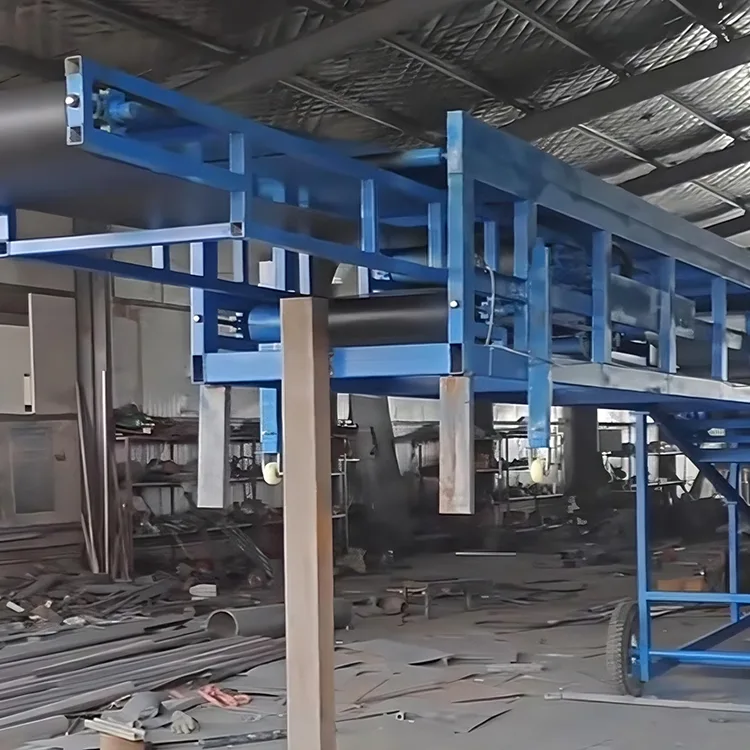
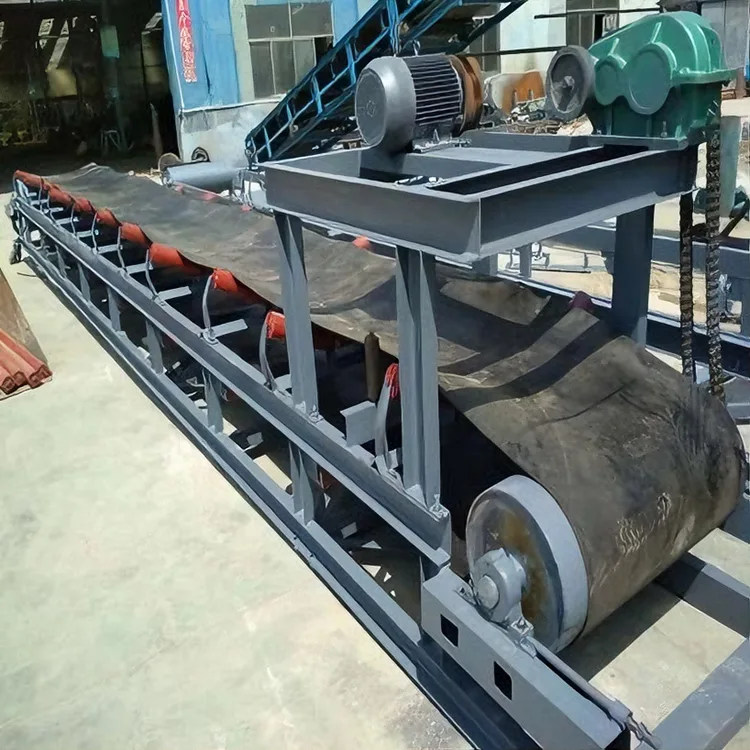
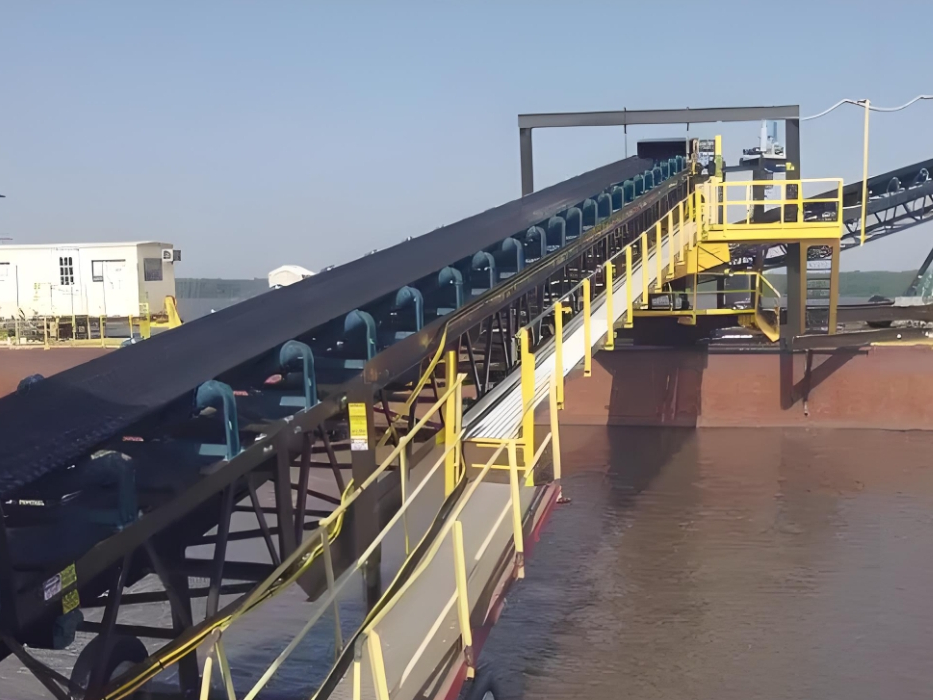
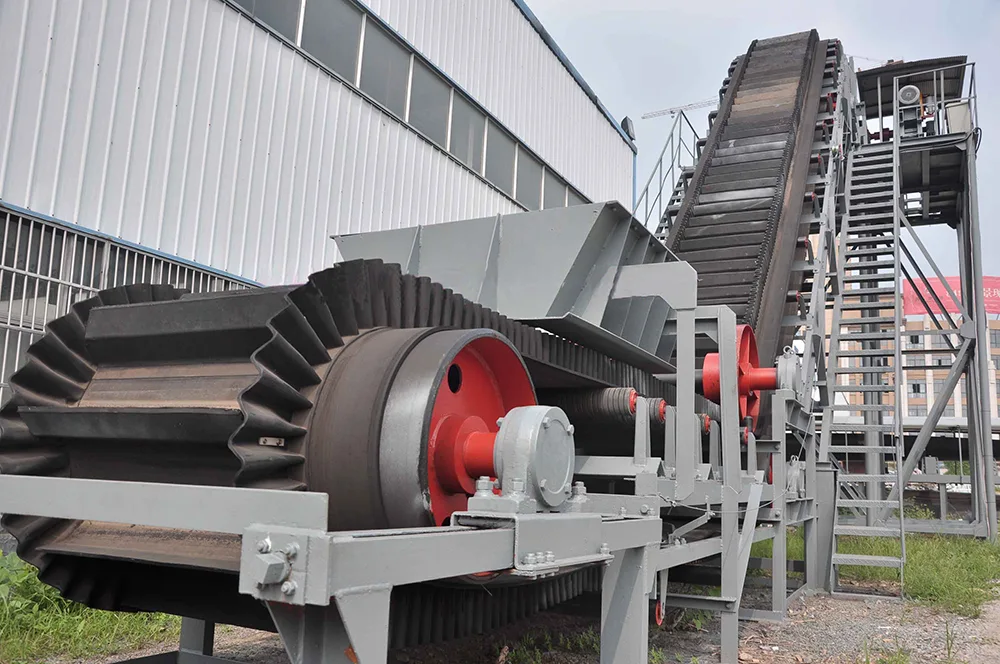
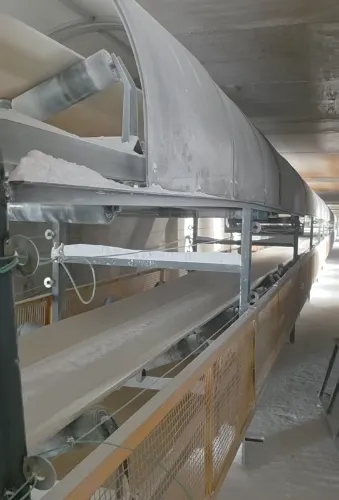
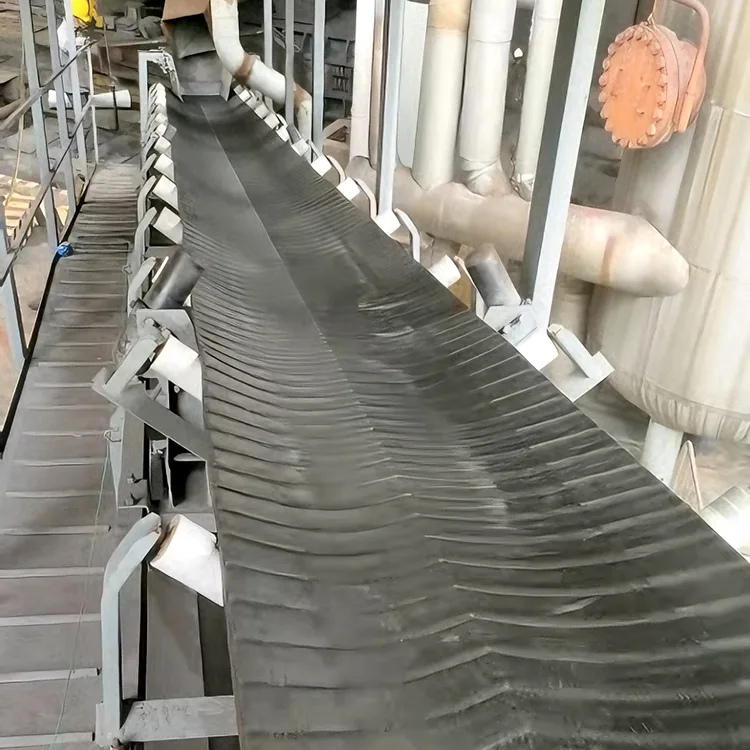
Scraper Mobile Conveyor is a type of mobile material handling equipment specifically designed for scraping, collecting, and conveying bulk or loose materials along a fixed trough or channel. It uses scraper plates or scraper chains to drag materials forward, making it ideal for transporting heavy, wet, sticky, or irregular materials that are difficult to handle with traditional belt conveyors. As a professional China manufacturer and supplier, we provide areliable scraper mobile conveyors for industrial and commercial applications.
Product Parameters
|
Product name |
Scraper Mobile Conveyor |
|
Specification available |
B800、B1000、B1200 |
|
Length |
Customized according to usage requirements (m) |
|
Material |
Carbon Steel |
|
Color |
Customizable on demand |
|
Do you provide samples? |
No |
|
Minimum order quantity |
Customizable on demand |
|
Production cycle |
Negotiable |
|
Warranty period |
1 year |
|
Payment Method |
Telegraphic Transfer (T/T) |
|
FOB Port of Loading |
Tianjin/Shanghai, China |
|
Place of origin |
Baoding, China |
Functions
1.Integrates dual functions of material raking and conveying, can directly reach into stockpiles to automatically grab bulk materials such as sand and gravel, coal, ore and grain without auxiliary feeding equipment.
2.Realizes one-stop material transfer from stockpiles to silos, transport vehicles or subsequent conveying equipment, suitable for stockyard storage, port loading and unloading, construction site batching and other working scenarios.
3.The raking depth and conveying height can be flexibly adjusted to meet the operational requirements of different stockpile heights and connection points.
4.It can operate independently as a standalone unit or be connected in series with other conveyors to form an automated material conveying line.
5.Supports independent operation of a single unit, and can also be connected in series with other conveyors to form an automated material conveying line.
Characteristics
1. Multi-functional: Integrates material handling, conveying, and moving functions, reducing equipment investment and site occupation, and lowering operational costs.
2. Mobile and efficient: Equipped with wheels and a traction device for easy relocation; the material handling mechanism is hydraulically driven, providing strong gripping force and high efficiency for rapid material loading.
3. Flexible adjustment: The material handling arm can swing up and down and left and right, and the conveyor body can be raised, lowered, and tilted, adapting to irregular material piles and preventing material residue.
4. High adaptability: Different types of material handling heads (such as spiral and scraper types) can be replaced according to material characteristics to handle various materials such as sticky, lumpy, and granular materials.
5.Intelligent operation: Equipped with an integrated control panel, material handling, conveying, moving, and lifting actions can be centrally controlled, making operation simple and requiring no specialized technicians.
Precautions for Use
1. Material Removal Operation Standards: Before operation, survey the material pile. It is strictly forbidden to remove materials containing large pieces of metal or hard debris to prevent damage to the removing head and conveyor belt. Avoid excessive depth into the material pile during removal to prevent overloading or getting stuck.
2. Moving Operation Requirements: Before moving, retract the removing arm, lower the conveying height to the minimum, disconnect the power supply, and check the wheels and traction components for damage. It is strictly forbidden to move the machine during removal or conveying.
3. Hydraulic System Maintenance: Regularly check the sealing of hydraulic oil pipes and cylinders to prevent oil leaks. Change the hydraulic oil on time to keep it clean and prevent impurities from entering the system and causing malfunctions.
4. Site Operation Requirements: The work site must be flat and firm, away from ditches, steep slopes, and other dangerous areas. When working on soft ground, lay steel plates or sleepers to prevent the machine from sinking.
6.Safety Protection Measures: Set up a warning area during operation. Personnel are strictly prohibited from approaching the removing arm, conveyor belt, and other moving parts. Regularly check the sensitivity of the emergency stop switch and limit devices to ensure emergency shutdown in case of unforeseen circumstances.
When selecting and purchasing conveying equipment, the following issues need to be paid attention to:
1.What is the rated material conveying capacity and the applicable belt width? Can it match the characteristics of the materials (such as ore or grain) and the production line pace?
Conventional Range of Core Parameters (Universal Belt Conveyor)
|
Applicable Belt Width (mm) |
Conventional Conveying Capacity (m³/h) |
Adaptable Conveying Speed (m/s) |
Mainstream Application Scenarios |
|
500 |
30~120 |
0.8~2.0 |
Small-scale grain conveying, light industry powder materials |
|
650 |
80~250 |
0.8~2.5 |
Grain, small pieces of ore, sand and gravel |
|
800 |
200~500 |
1.0~3.0 |
High-capacity conveying of ore, coal and grain |
|
1000 |
400~1000 |
1.2~3.5 |
Medium and large ore production lines, port grain transshipment |
|
1200 |
800~1800 |
1.5~4.0 |
Main conveying for large mines, metallurgy and coal industries |
|
≥1400 |
1500~5000+ |
1.5~4.0 |
Extra-large mines, port bulk cargo distribution and collection |
Note: The conveying capacity can be accurately calculated by the formula (Belt Width + Conveying Speed + Idler Trough Angle + Material Bulk Density), and supports customized adjustment within a range of ±20% to meet the demand for fine-tuning of production line rhythm.
2.What is the horizontal conveying distance of the conveyor and the maximum scraping lifting angle? Does it support multi-section splicing?
The conveying distance of the conveyor is defined as the straight-line distance from the feeding point to the discharging point, measured in meters. It supports an elevation angle ranging from 0° to 90° and features a modular splicing design.
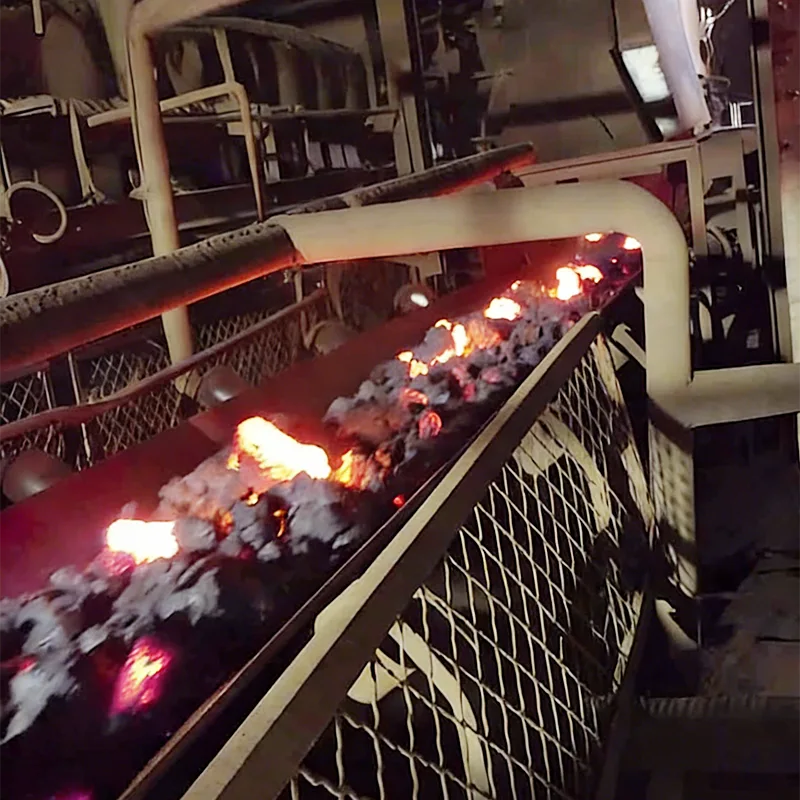
3.For material temperature (e.g., high-temperature coke) and corrosiveness (e.g., chemical raw materials), what materials should be selected for the conveyor belt and idlers?
For materials with no temperature requirements, standard conveyor belts and regular carbon steel idlers are optional. For materials with a temperature range of 0–300°C, heat-resistant conveyor belts and thickened carbon steel idlers can be selected based on the actual temperature. For chemical raw material conveying, acid and alkali-resistant conveyor belts are adopted; the core of idlers shall prevent roller corrosion, bearing intrusion by corrosive media and seal aging, requiring full anti-corrosion treatment with graded selection according to corrosion intensity.
High-temperature coke: For medium and low temperatures, EPDM conveyor belts + quenched steel pipe high-temperature idlers are used; for ultra-high temperatures, steel cord core ceramic-faced conveyor belts + stainless steel/ceramic idlers are selected, with the core focus on enhancing temperature and wear resistance.
Chemical raw materials: For mild to moderate corrosion, neoprene rubber conveyor belts + galvanized/engineering plastic idlers are adopted; for strong corrosion, fluororubber/stainless steel conveyor belts + 316 stainless steel/FRP idlers are selected, with the core focus on matching the type of corrosive medium and anti-adhesion performance.
Materials with dual characteristics (high temperature + corrosion): composite material conveyor belts + fully stainless steel sealed idlers are used to meet both requirements, with structural protection well implemented at the same time.
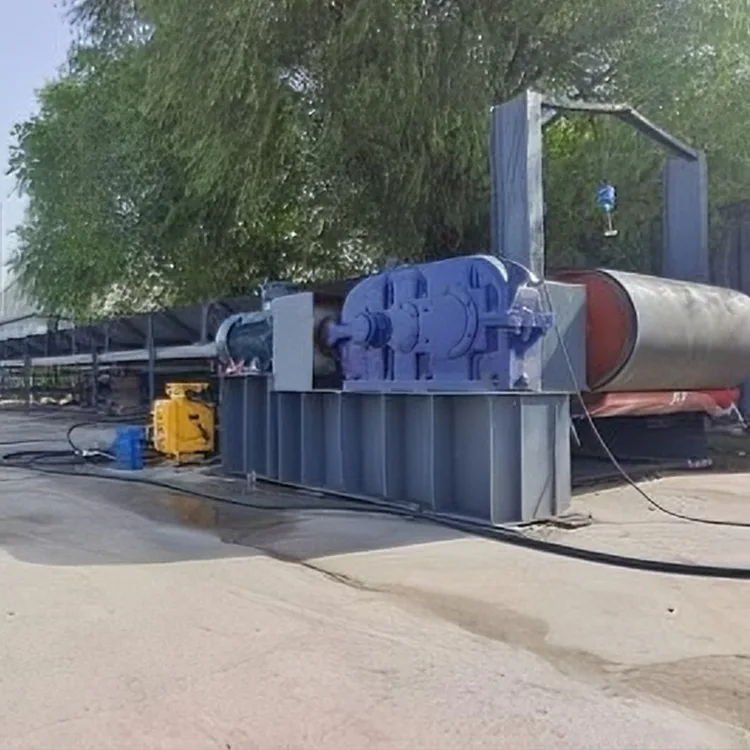
4.What is the operating energy consumption of the equipment? What is the motor power?
The operating energy consumption of the equipment is determined by the material conveying conditions, and the motor power is calculated based on the material conveying capacity and speed.
5.What is the service life of wearing parts (conveyor belt, idlers, rollers)? What are the procurement price and supply cycle of accessories?
Generally, vulnerable parts require regular inspection and replacement according to usage conditions, and the production cycle is determined based on the provided accessory dimensions and other requirements.
6.Can the equipment be integrated with a PLC control system to realize functions such as automatic start-stop, speed regulation and material linkage?
The belt conveyor integrated with a PLC control system can realize full automation functions such as automatic start/stop, frequency conversion speed regulation, upstream and downstream material interlock, safety device interlocking, and operation monitoring. With the PLC as the core control unit, it interlocks with frequency conversion drives, sensors, actuators and upstream/downstream equipment to replace manual operations, and is suitable for the independent control of a single conveyor or the multi-machine interlock scenario of an entire production line. Meanwhile, it is compatible with the protection requirements of special working conditions involving high-temperature coke, corrosive chemical raw materials, ores, grains and other materials.
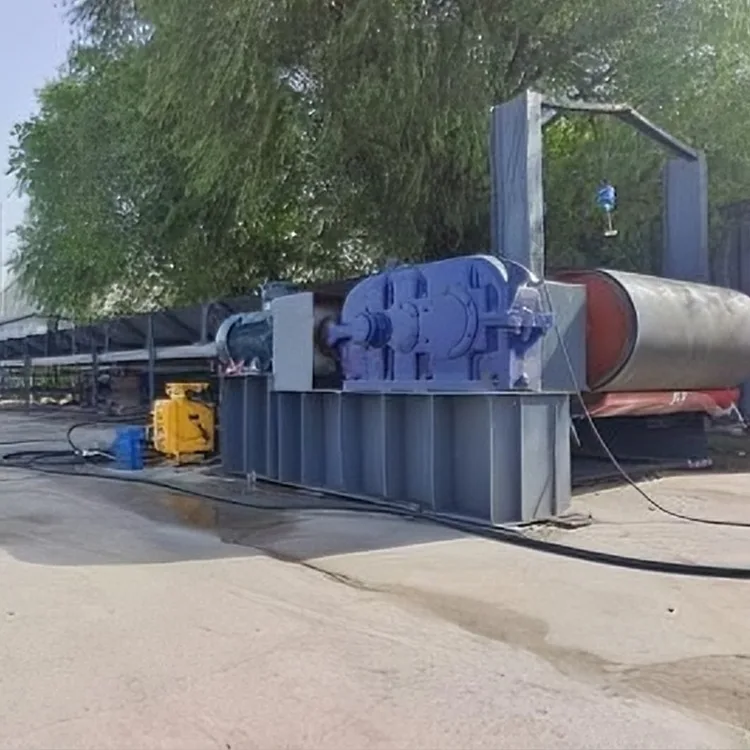
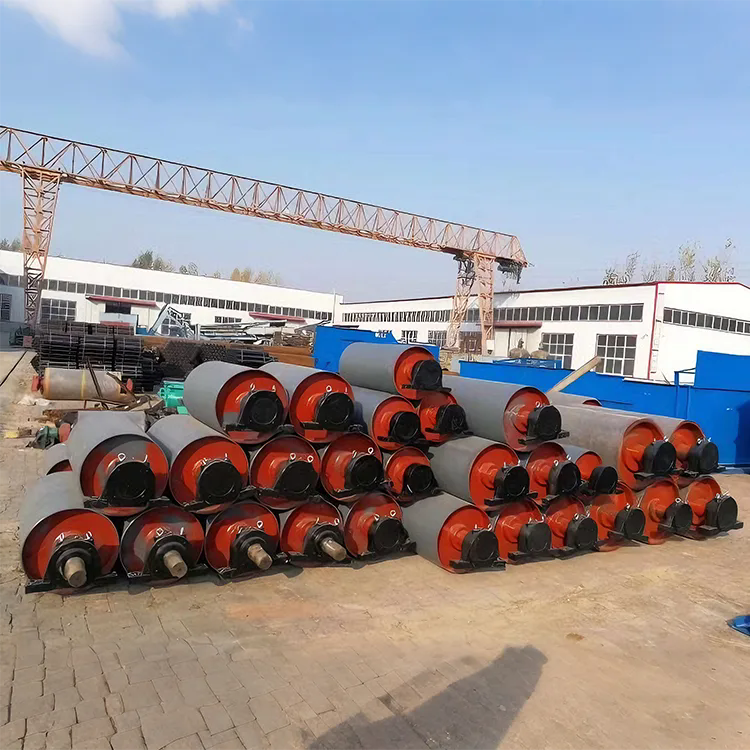
Main Components of Conveying Equipment:
1.Drive Unit
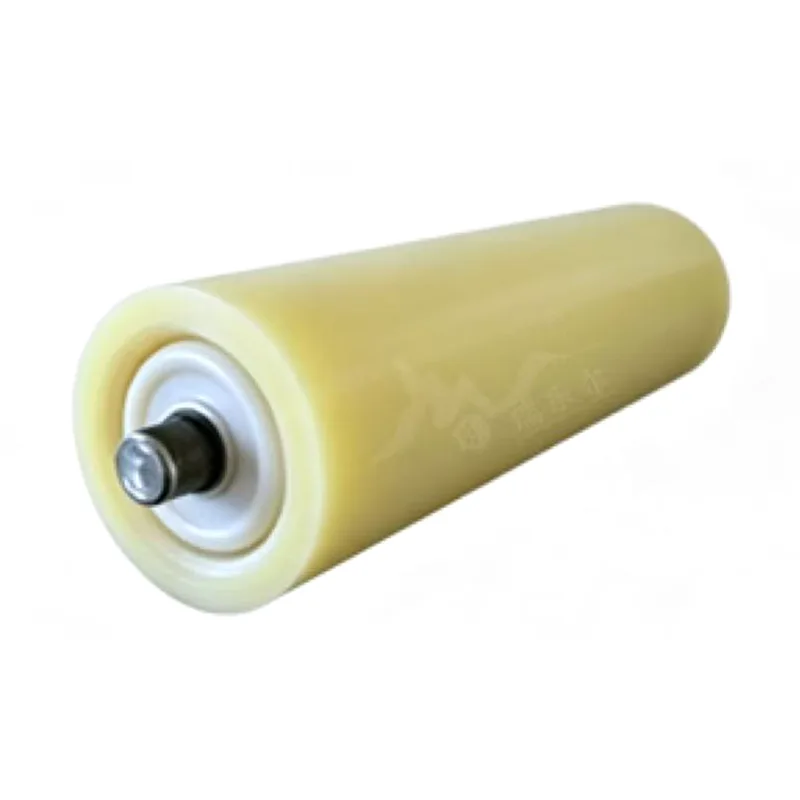
2.Idler Set
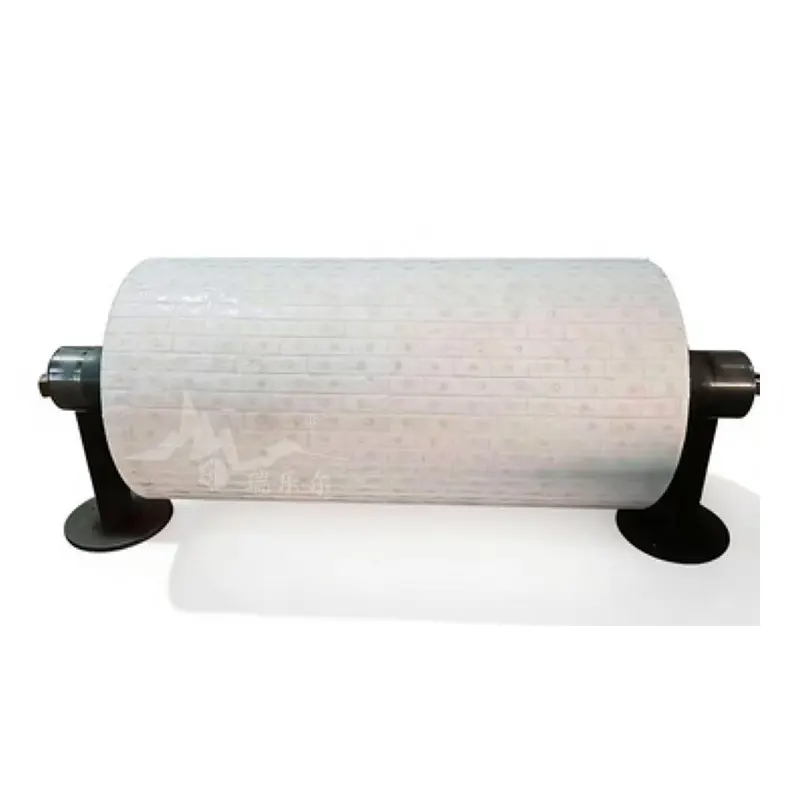
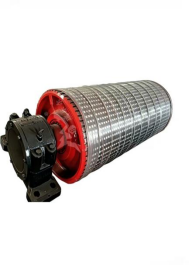
3.Roller Set
4.Integrated Frame
5.Protection Device
6.Conveyor Belt
7.Electrical System
Hot Tags: Scraper Mobile Conveyor Manufacturer, Mobile Conveyor Systems Supplier, Industrial Conveyor Equipment Wholesale
Send Inquiry
Contact Info
-
Address
Donghuan Industrial Zone, Boye County, Baoding City, Hebei Province, China
-
Tel
-
E-mail
Looking for a reliable conveyor equipment factory in China?
Send your inquiry to Rui Le’er to receive professional technical advice, customized conveyor solutions, and competitive factory pricing directly from the manufacturer.