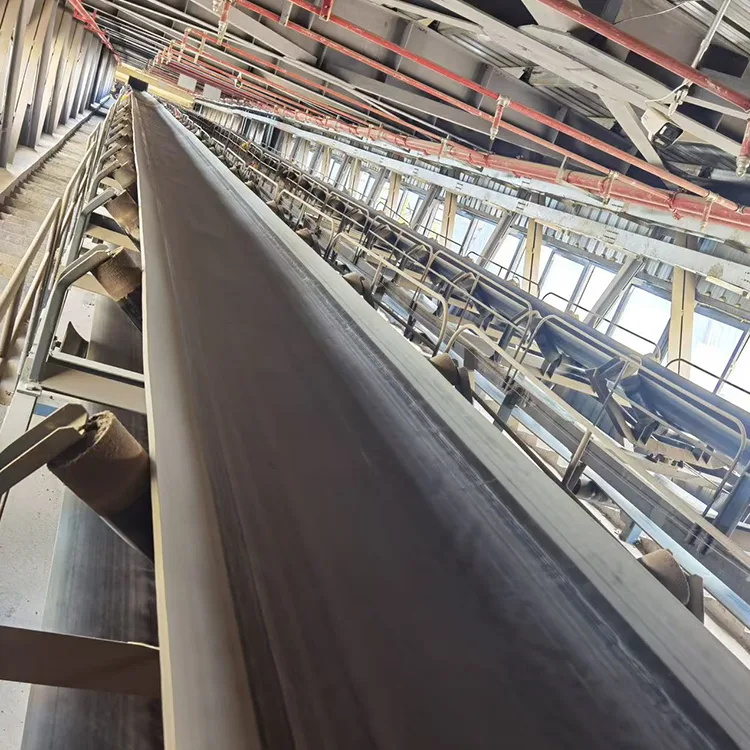
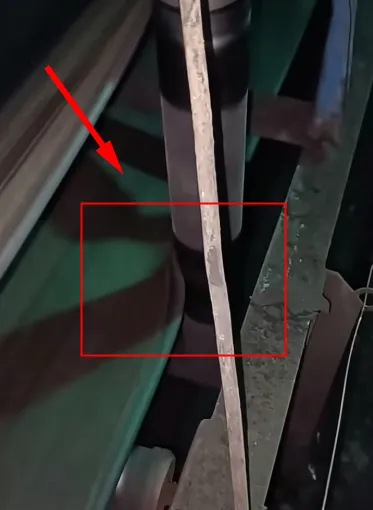
1. Attach a flexible rotating shaft to the core of the conveyor belt, and properly arrange the belt. Before mounting, make sure that the direction of the upper and lower covers' glue does not get reversed.
2. In workplaces where mounting is not possible, you can guide the conveyor belt and ensure that the folded part of the belt has a sufficient curvature radius to prevent damage to the belt. It is prohibited to place heavy objects on the folded part of the belt.
3. If replacing the conveyor belt, you can connect the new belt to the old one, and carry out the unloading of the belt and installation of the new conveyor belt simultaneously.
4. For horizontal-running conveyors, you can cut the old conveyor at any point. For inclined-running conveyors, select the cutting point carefully to prevent the conveyor from sliding and losing control due to its own weight.
5. After positioning the new belt on the conveyor, use a fixture to fix one end of the belt. Then connect it to the pulley and the belt wheel, and balance the conveyor belt by using the traction device. During traction, prevent the conveyor belt from being squeezed against the frame.
6. Use a fixture to fix one end of the conveyor belt on the conveyor frame. Pull the other end of the belt through the pulley until there is no obvious sag of the belt on the return idler.
7. Fix the tensioning device 100-150mm away from the starting point.
We use cookies to offer you a better browsing experience, analyze site traffic and personalize content. By using this site, you agree to our use of cookies.Privacy Policy