

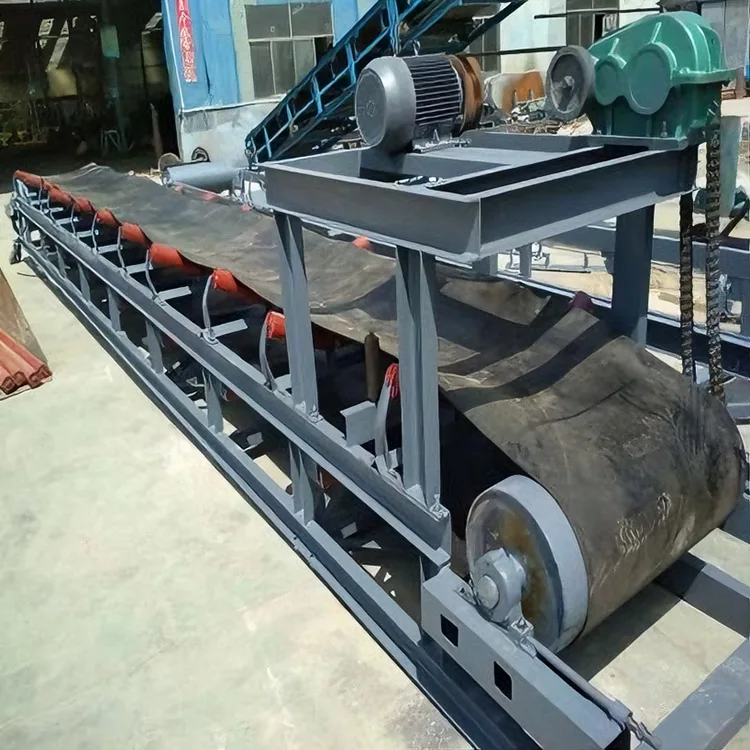
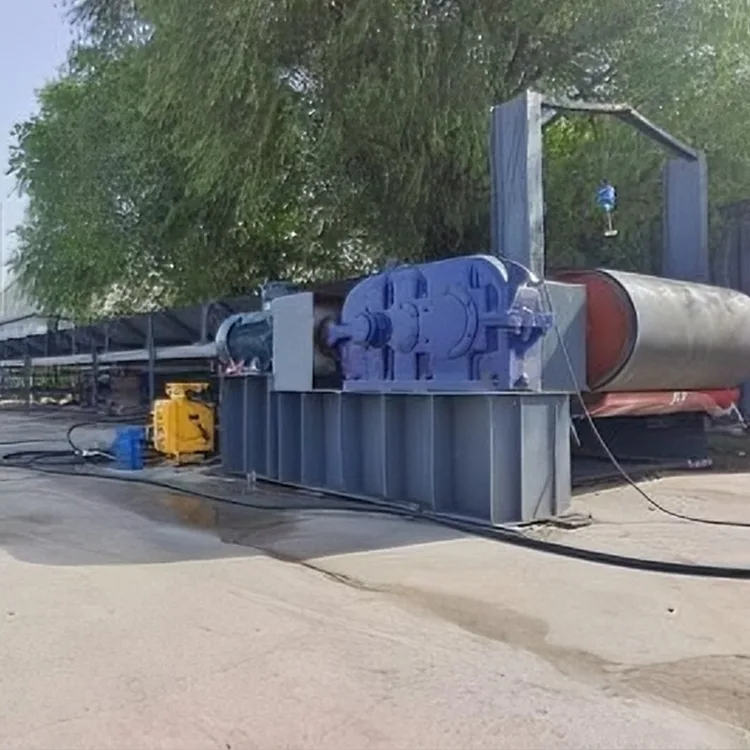
Fixed Flat Belt Conveyor
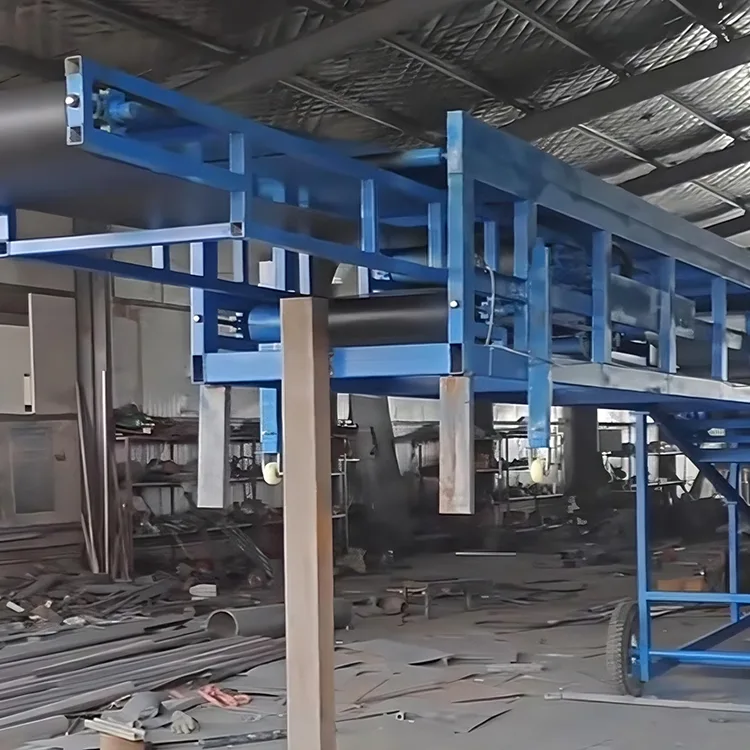
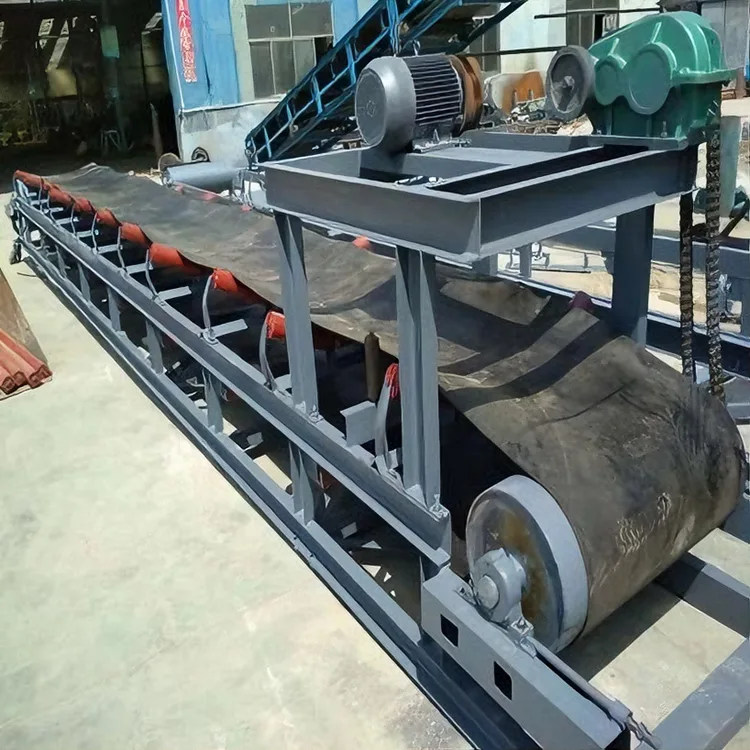
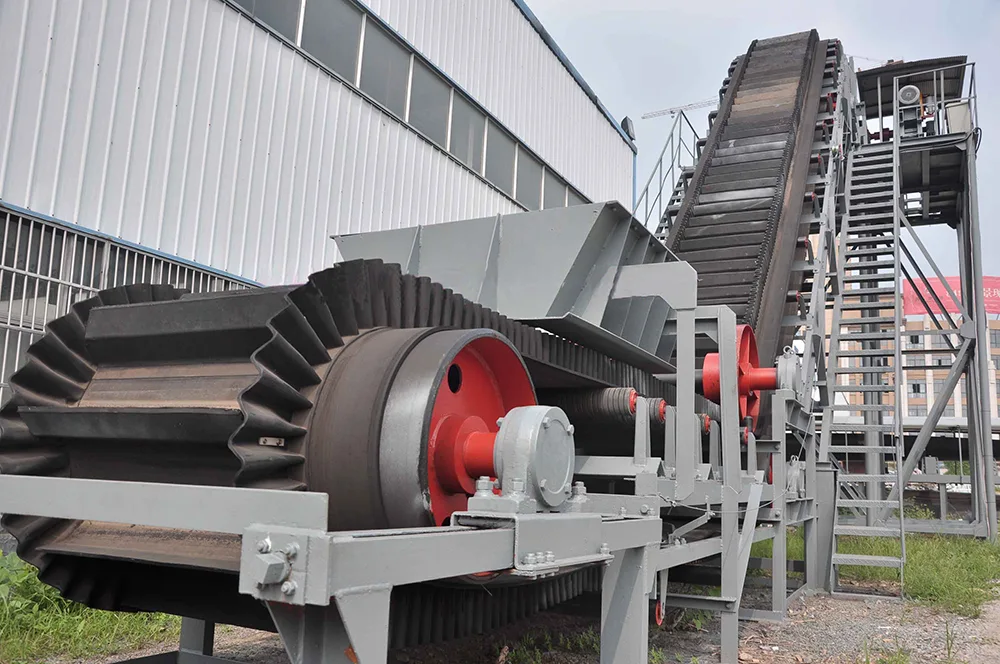
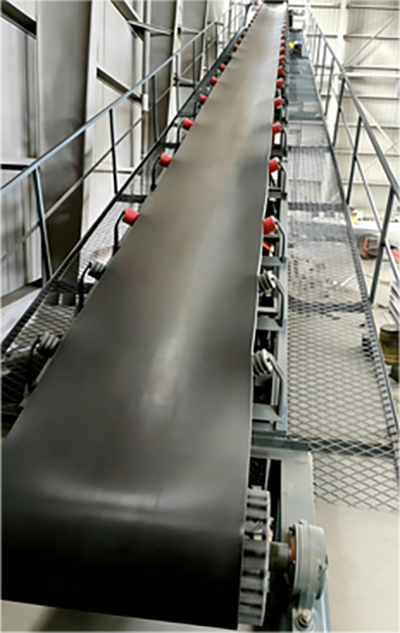
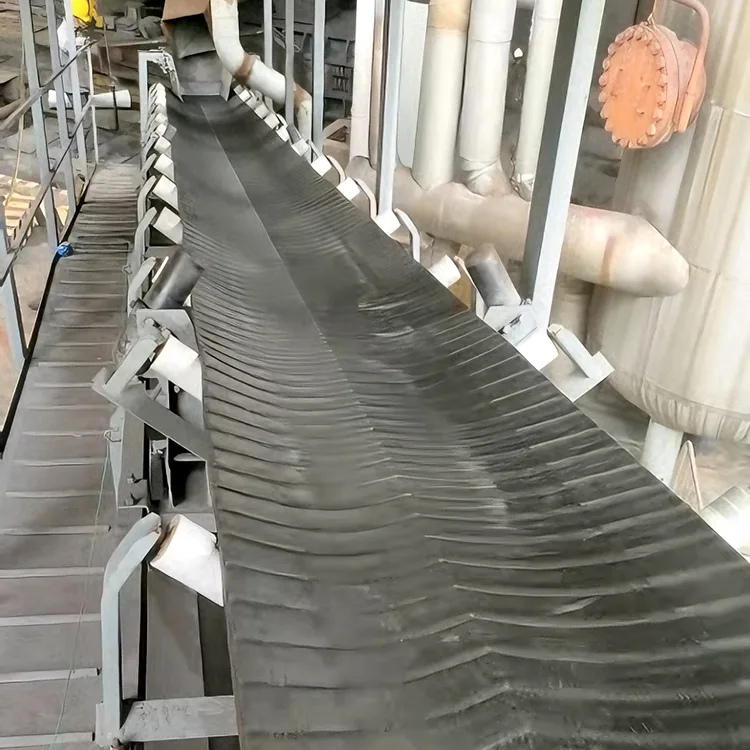
Fixed Flat Belt Conveyor, made of high-quality China carbon steel, with specifications ranging from belt width B500 to B2000. For more details about our belt conveyors, please contact us!
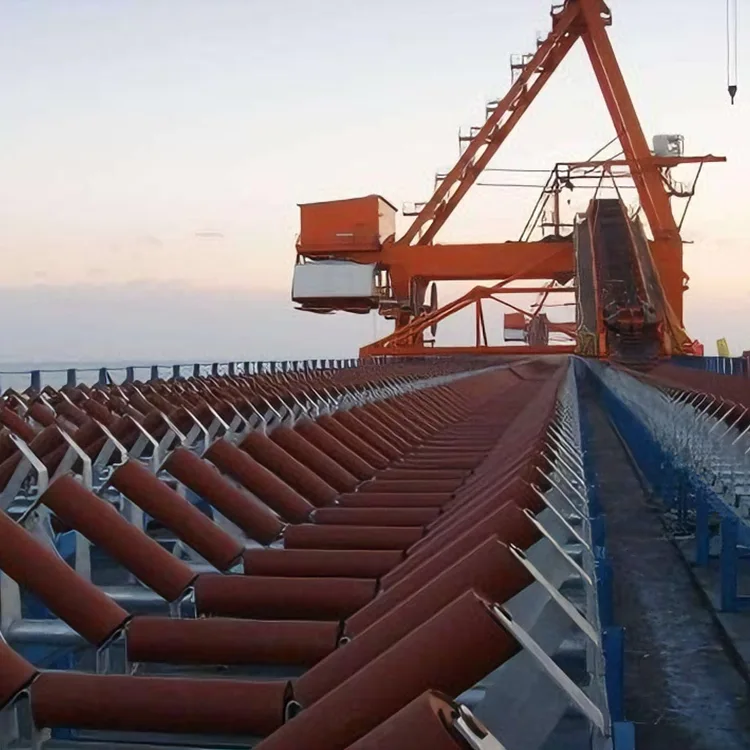
The fixed flat belt conveyor is a piece of equipment designed for continuous conveying of bulk materials. Boasting advantages such as high conveying capacity, low energy consumption and strong adaptability, it is widely used in multiple fields including mining, metallurgy, coal, building materials, chemical industry, grain and ports.
Characteristics of Belt Conveyor
1.High and Stable Conveying Capacity: It enables high-flow, continuous material conveying with a wide range of conveying capacity (ranging from several tons to thousands of tons per hour). It can meet the continuous operation requirements of production lines and effectively ensure the stability of production rhythm.
2.Flexibly Adjustable Conveying Distance: It can be designed as a short-distance material transfer device for workshops. It can also achieve long-distance conveying of dozens of kilometers through multi-section splicing and additional driving devices.
3.Low Operating Energy Consumption and Maintenance Cost: The friction between materials and the conveyor belt is minimal, resulting in low energy loss during operation. With a relatively simple structure, its wearing parts are only conveyor belts, idlers, etc. The procurement cost of accessories is low, and daily maintenance mainly consists of cleaning, fastening and replacing wearing parts, featuring convenient operation.
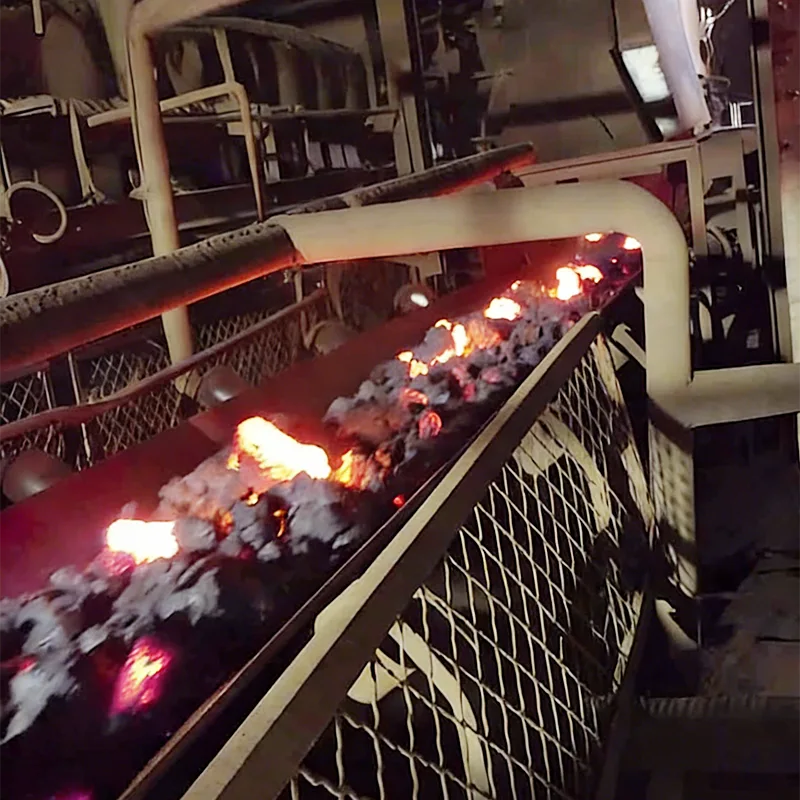
4.Wide Material Adaptability: It can convey various bulk materials such as ores, coal, sand, grain and chemical fertilizers, as well as piece goods with small single-piece weight. By selecting conveyor belts of different materials (e.g., rubber belts, plastic belts, steel belts), it can also adapt to special working conditions such as high temperature, wear resistance and corrosion resistance (for example, heat-resistant rubber belts can be selected for conveying high-temperature coke).
5.Stable Operation with Low Noise: Materials move smoothly on the conveyor belt, which is not prone to breakage, dust emission and other problems, thus reducing material loss and environmental pollution. The noise generated during equipment operation mainly comes from the driving device and idler rotation. By selecting low-noise motors and optimizing the idler structure, the noise can be further reduced, making it suitable for places with high noise requirements such as factory areas and workshops.
6.High Degree of Automation and Easy Integrated Control: It can be combined with PLC control systems and sensors (such as level sensors and speed sensors) to realize functions like automatic start-stop, speed regulation, overload protection and belt breakage warning. It can also be linked with crushers, screening machines, packaging machines and other equipment to form an automated production line, reducing the intensity of manual operation.
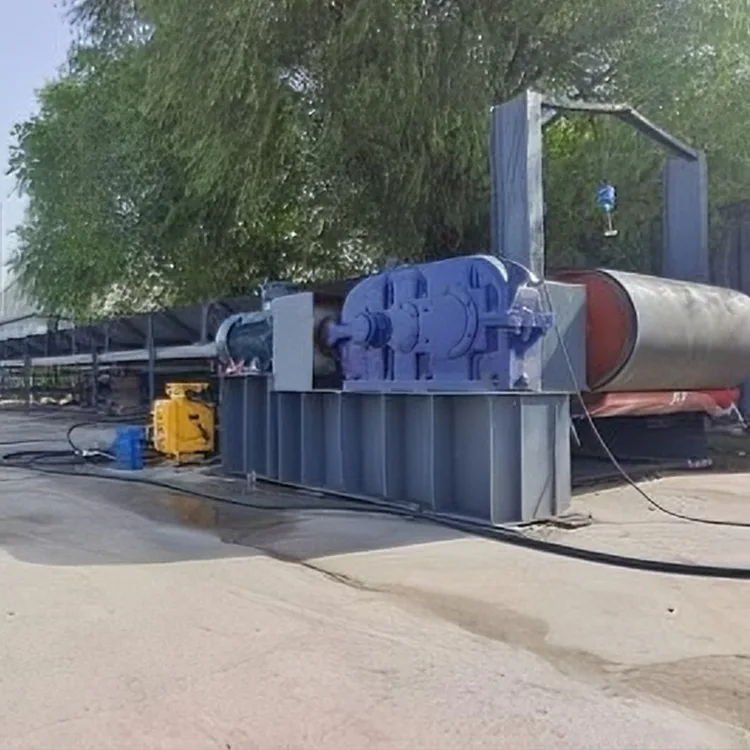
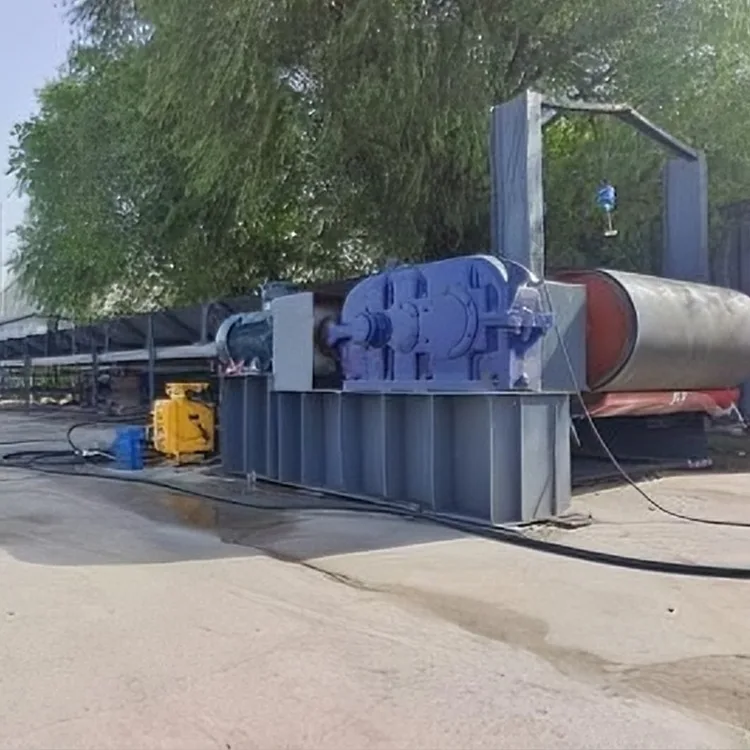
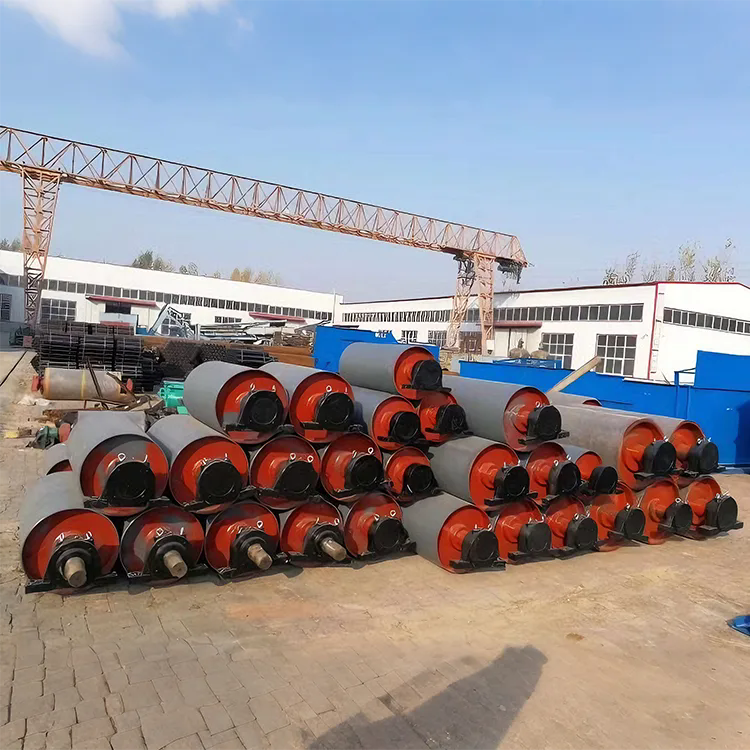
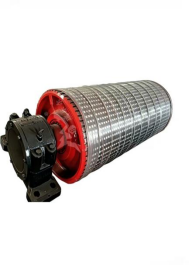
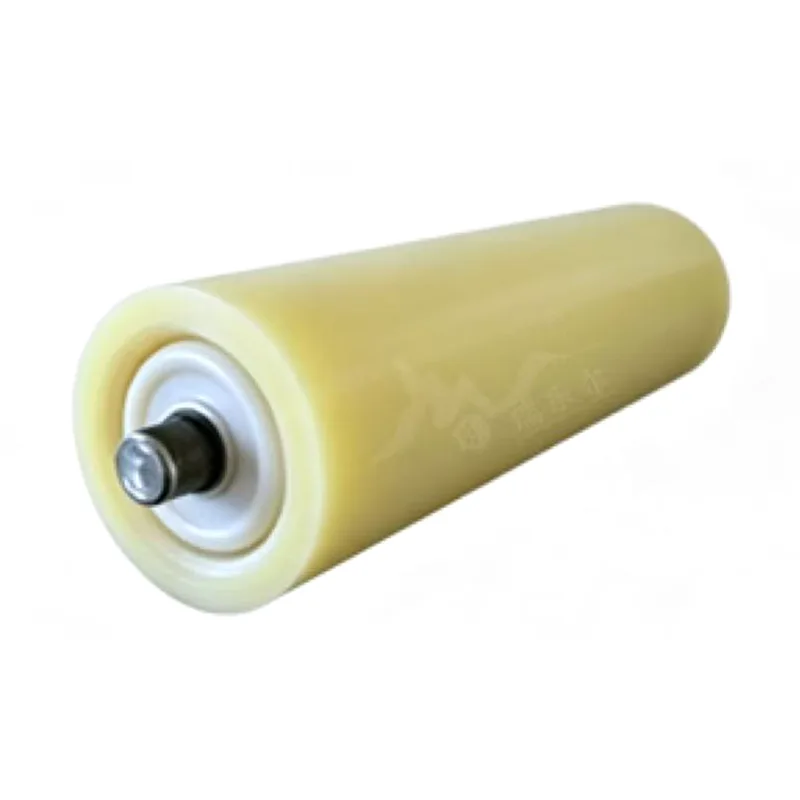
7.Flexible Installation and Layout: The whole machine consists of conveyor belts, idlers, rollers, driving devices, tensioning devices, frames and other components. Its layout can be flexibly designed according to on-site space conditions. Targeted structural adjustments can be made for ground installation, overhead laying or underground application.
Product parameters
|
Product name |
Fixed Flat Belt Conveyor |
|
Specification available |
B500.B650.B800.B1000.B1200.B1400.B1600.B1800.B2000........ |
|
Length |
Customized according to usage requirements (m) |
|
Material |
Carbon Steel/304/316 |
|
Color |
Customizable on demand |
|
Do you provide samples? |
No |
|
Minimum order quantity |
Customizable on demand |
|
Production cycle |
Negotiable |
|
Warranty period |
1 year |
|
Payment Method |
Telegraphic Transfer (T/T) |
|
FOB Port of Loading |
Tianjin/Shanghai, China |
|
Place of origin |
Baoding, China |
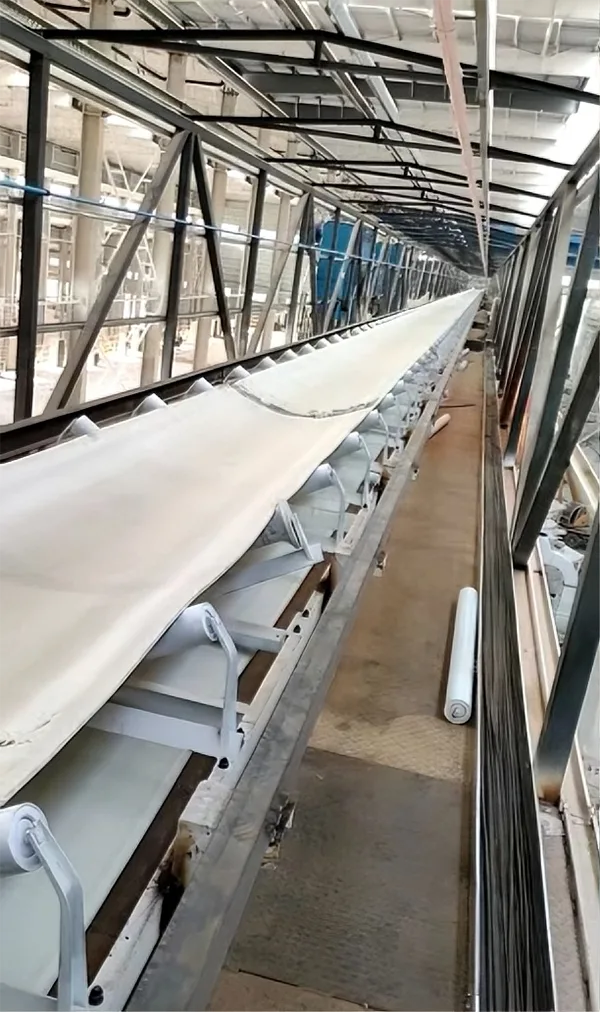
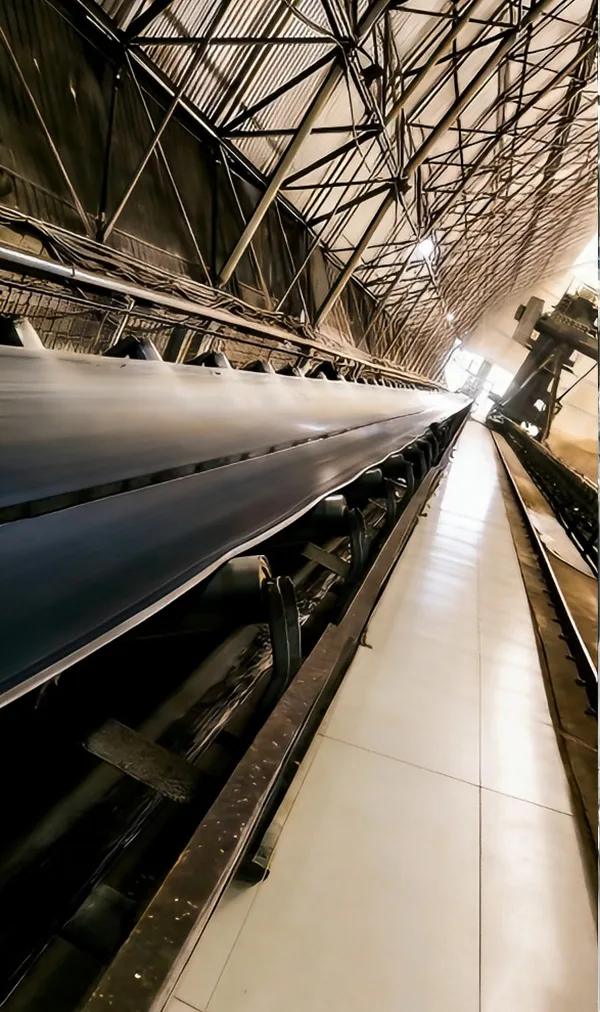
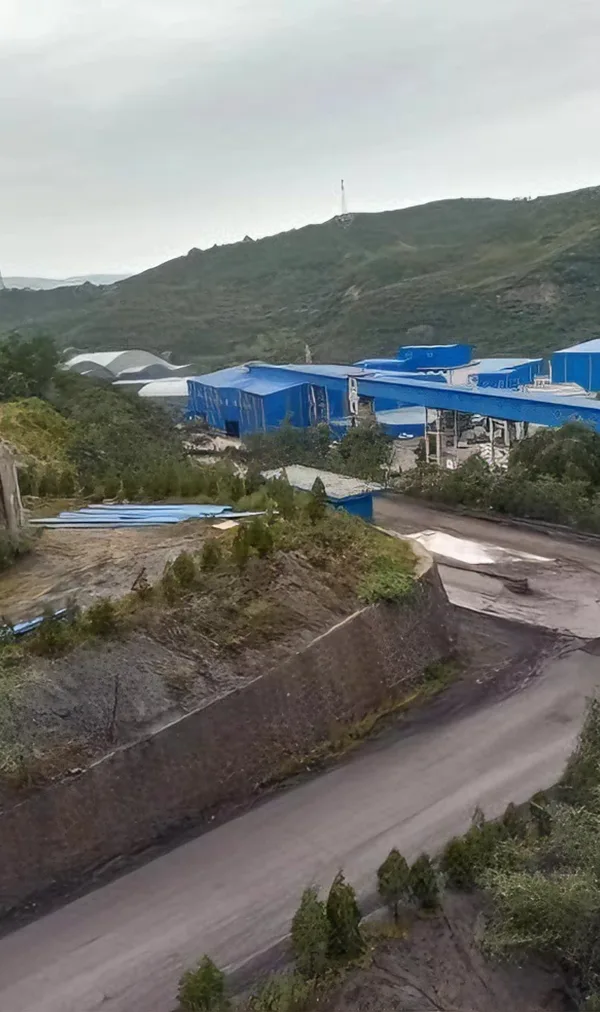
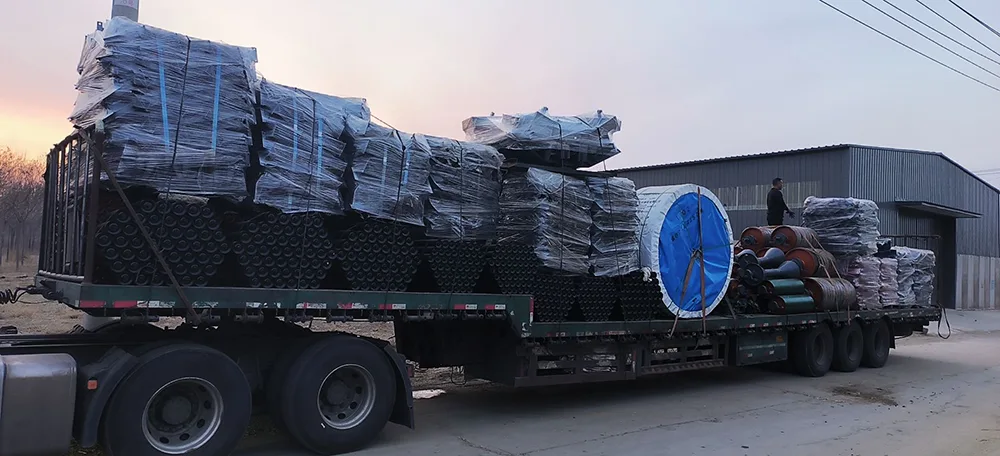
When selecting and purchasing conveying equipment, the following issues need to be paid attention to:
1.What are the conveying capacity and applicable belt width? Can they match the characteristics of materials (such as ores, grains) and the production line rhythm?
The conveying capacity and applicable belt width of a belt conveyor are core customized parameters with no fixed and unified values. Meanwhile, through structural and component selection, it can be fully matched to the requirements of different materials such as ores and grains and the beat of production lines. The following are the core parameter ranges and matching logic:
Conventional Range of Core Parameters (Universal Belt Conveyor)
|
Applicable Belt Width (mm) |
Conventional Conveying Capacity(m/h) |
Adaptable Conveying Speed (m/s) |
Mainstream Application Scenarios |
| 500 | 30-120 | 0.8-2.0 |
Small-scale grain conveying.light industry powder materials |
| 650 | 80~250 | 0.8-2.5 |
Grain,small lump ore. sand and gravel |
| 800 | 200~500 | 1.0~3.0 |
High-yield conveying of ore.coal.grain |
| 1000 | 400-1000 | 1.2-3.5 |
Medium and large ore production lines.port grain transshipment |
| 1200 | 800~1800 | 1.5~4.0 |
Main conveying for large mines,metallurgy,coal Industry |
| 1400 and above | 1500~5000+ | 1.5~4.0 |
Bulk cargo distribution in extra-large mines and ports |
Note: The conveying capacity can be accurately calculated via the formula incorporating belt width + conveying speed + idler trough angle + material bulk density, and supports customized adjustment within a range of ±20% to meet the demand for fine-tuning of production line beat.
There are no fixed values for conveying capacity and applicable belt width. Full customization of belt width from 500mm to 2000mm is supported, and the conveying capacity can cover a range from 30m³/h up to 5000m³/h and above, meeting the full-scenario needs from small-scale workshop conveying to large-scale mine production line conveying. For different materials such as ores and grains, exclusive selection of belt width, idler trough angle, conveyor belt material and conveying speed can be made to fully match their characteristics including hardness, particle size, bulk density, anti-crushing and anti-abrasion performance.
The conveying capacity can be precisely designed with reserved redundancy according to the hourly output of the production line and the linkage requirements of equipment, and combined with frequency conversion speed regulation to achieve dynamic beat matching, ensuring the continuous and efficient operation of the production line.
2.What are the maximum conveying distance and lfting angle of the conveyor? Does it support multi-section splicing?
The conveying distance of the conveyor is determined by the straight-line distance from the feeding position to the discharging position, in meters. It supports modular splicing with an elevation angle ranging from 0° to 90°.
3.For material temperature (e.g., high-temperature coke) and corrosiveness (e.g., chemical raw materials), what materials should be selected for the conveyor belt and idlers?
For materials with no temperature requirements, standard conveyor belts and regular carbon steel idlers are optional. For materials with a temperature range of 0–300°C, heat-resistant conveyor belts and thickened carbon steel idlers can be selected based on the actual temperature. For chemical raw material conveying, acid and alkali-resistant conveyor belts are adopted; the core of idlers shall prevent roller corrosion, bearing intrusion by corrosive media and seal aging, requiring full anti-corrosion treatment with graded selection according to corrosion intensity.
High-temperature coke: For medium and low temperatures, EPDM conveyor belts + quenched steel pipe high-temperature idlers are used; for ultra-high temperatures, steel cord core ceramic-faced conveyor belts + stainless steel/ceramic idlers are selected, with the core focus on enhancing temperature and wear resistance.
Chemical raw materials: For mild to moderate corrosion, neoprene rubber conveyor belts + galvanized/engineering plastic idlers are adopted; for strong corrosion, fluororubber/stainless steel conveyor belts + 316 stainless steel/FRP idlers are selected, with the core focus on matching the type of corrosive medium and anti-adhesion performance.
Materials with dual characteristics (high temperature + corrosion): composite material conveyor belts + fully stainless steel sealed idlers are used to meet both requirements, with structural protection well implemented at the same time.
4.Considering the installation space (such as narrow workshop, overhead/underground layout), can the frame size and layout scheme be customized?
Dimensional and layout solutions can be provided according to the available space and height requirements.
Main Components of Conveying Equipment:
1.Drive Unit
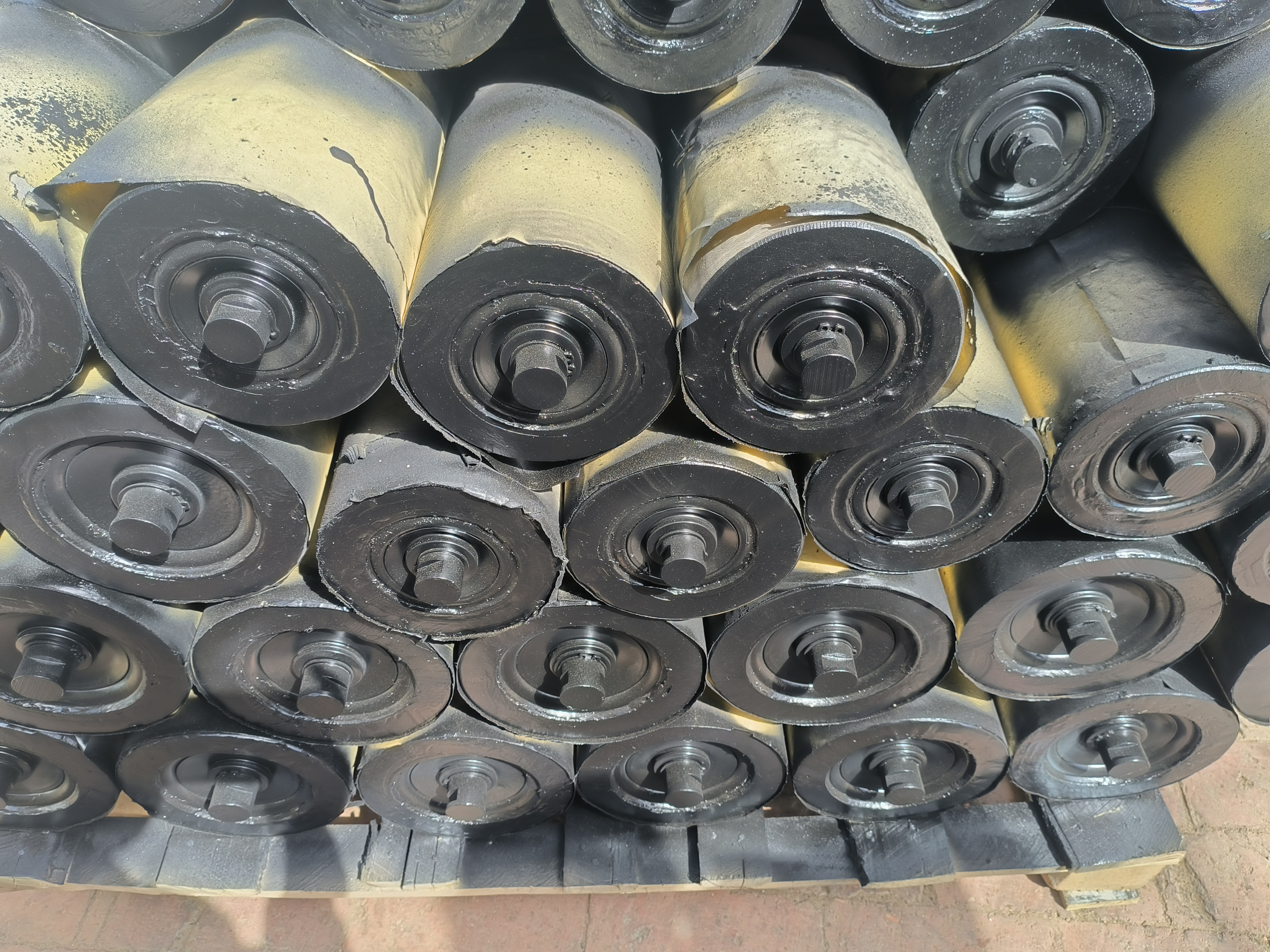
2.Idler Set
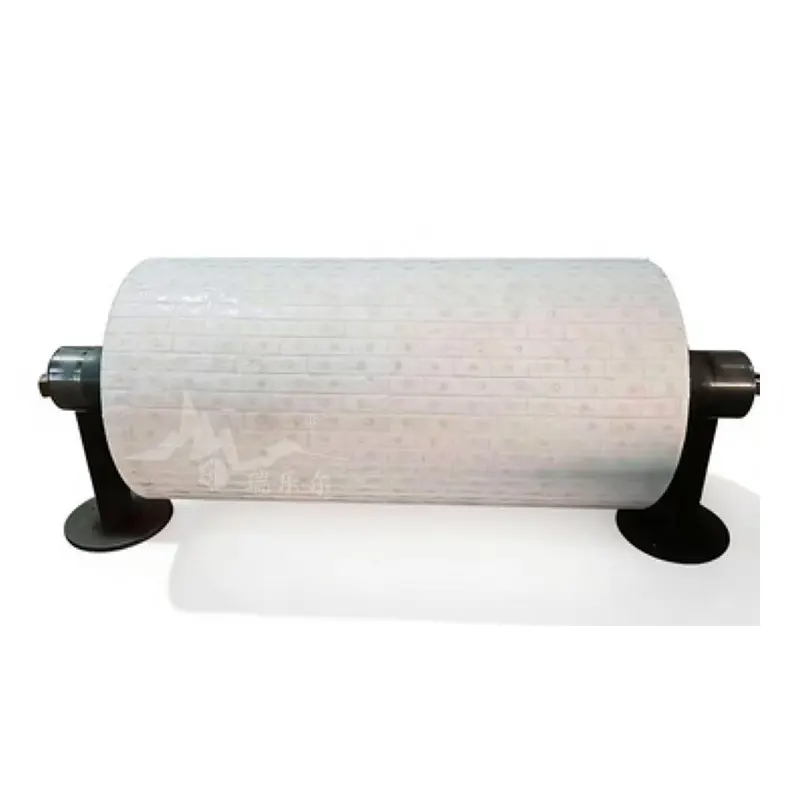
3.Roller Set
4.Integrated Frame
5.Protection Device
6.Conveyor Belt
7.Electrical System
Hot Tags: Fixed Flat Belt Conveyor Manufacturer, Flat Belt Conveyor Supplier, Industrial Conveyor System Wholesale
Send Inquiry
Contact Info
-
Address
Donghuan Industrial Zone, Boye County, Baoding City, Hebei Province, China
-
Tel
-
E-mail
Looking for a reliable conveyor equipment factory in China?
Send your inquiry to Rui Le’er to receive professional technical advice, customized conveyor solutions, and competitive factory pricing directly from the manufacturer.