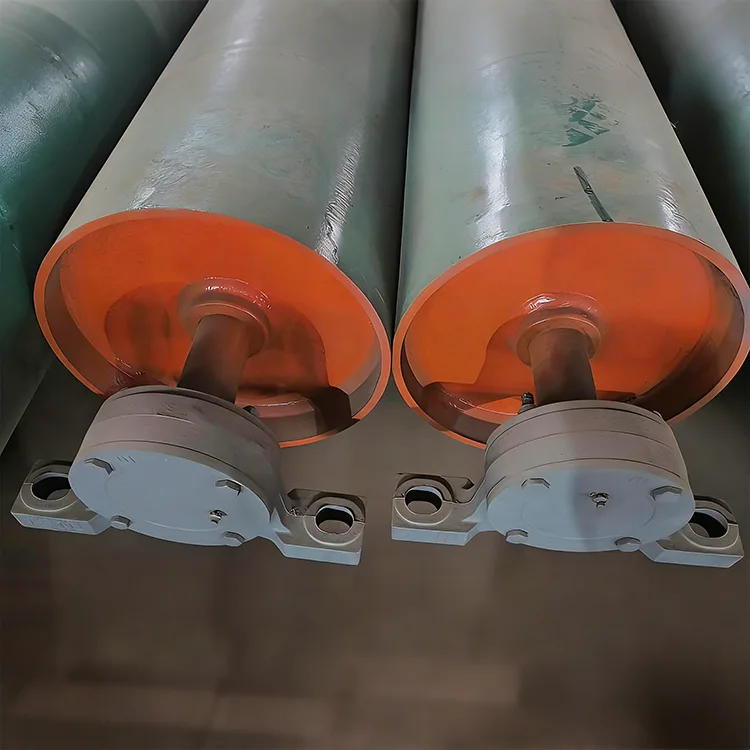
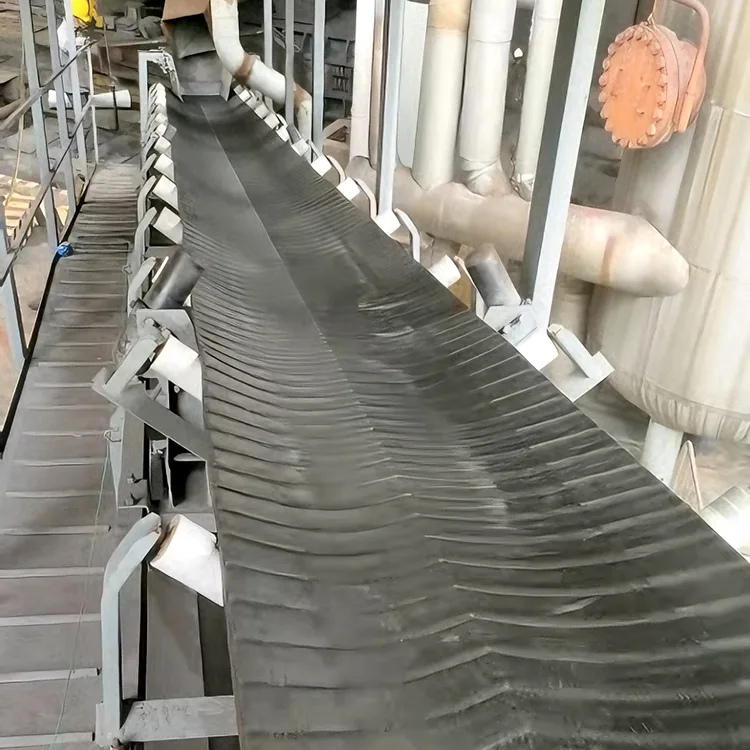
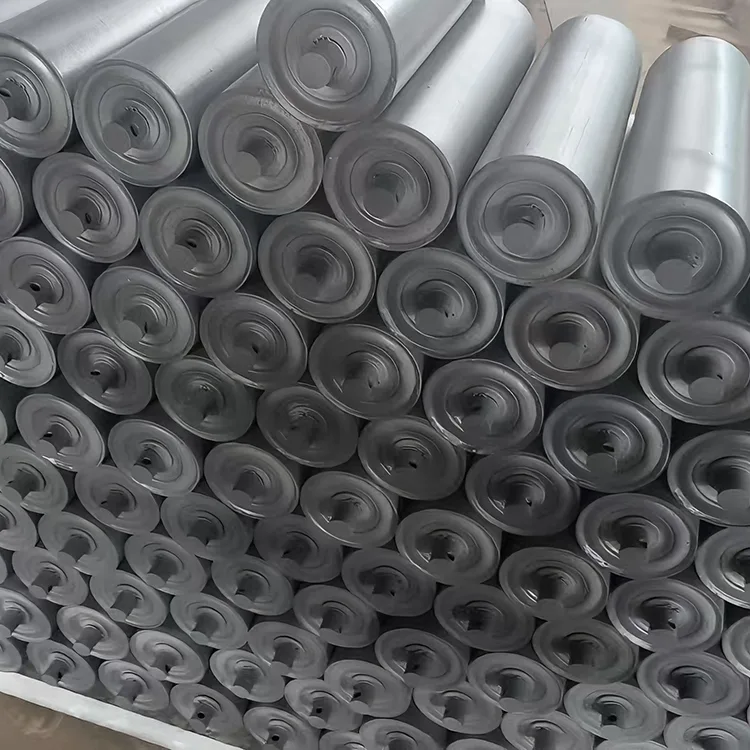
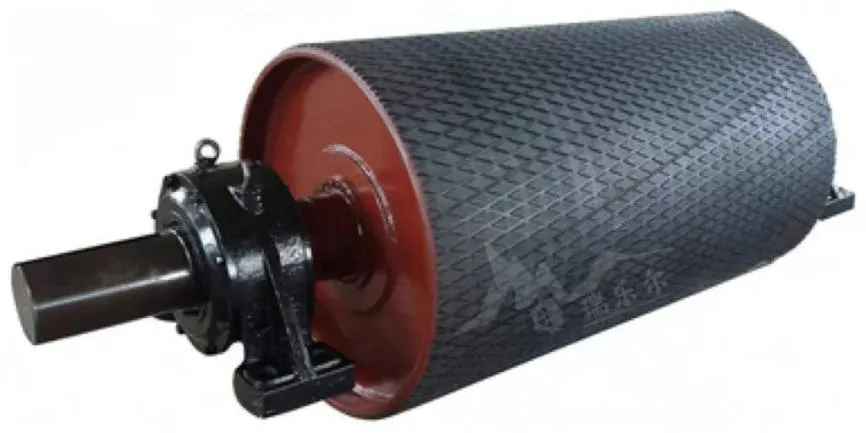
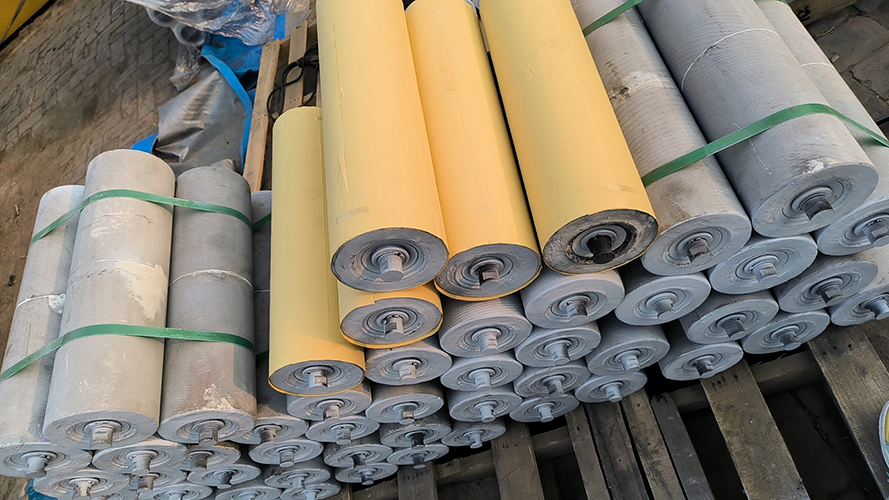
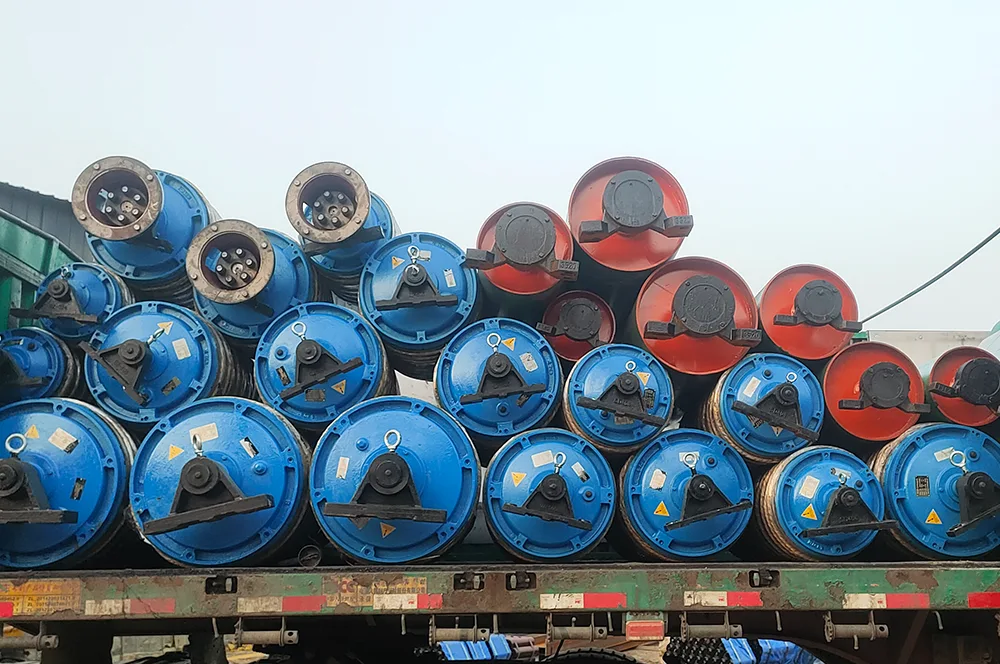
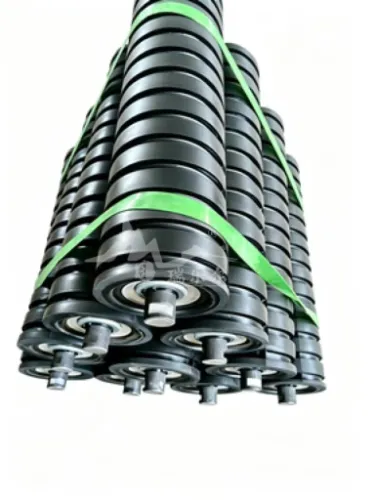
The cold adhesive bonding process involves exposing a certain portion between the upper and lower conveyor belts on the drive roller. A commonly used adhesive with strong adhesion is applied to sequentially adhere the selected fabric to the surface of the product, thereby increasing the friction between the rubber belt and the drive roller. In many factories and enterprises that transport materials, the bonding operation method is as follows: After selecting an appropriate adhesive and preparing a suitable bonding joint, a reasonable bonding process must be adopted to achieve a firm bond. The rationality of the bonding process is the key to the success or failure of the bonding work. The specific operation of bonding should be carried out strictly in accordance with the correct process procedures. The bonding process consists of steps such as surface treatment, mixing the adhesive solution, applying the adhesive, drying, bonding, and curing, as follows:
1. Surface treatment:
Due to the presence of many impurities such as dirt, dust, grease, water, rust and other organic or inorganic contaminants on the metal surface, the adhesive cannot wet properly. To enhance the bonding strength, the surface of the adhered objects is cleaned, roughened, and activated using mechanical, physical, and chemical methods to change the surface properties, facilitating the good infiltration of the adhesive, ensuring a firm bond, and improving the durability and service life of the joint. After surface treatment, the metal surface can be transformed into a bonded surface with high surface energy, high activity, and high area. The common surface treatment methods mainly include: degreasing treatment, mechanical treatment, and chemical treatment. The specific process is as follows: using mechanical grinding and sandblasting methods to remove the organic or inorganic substances that are unfavorable for bonding on the surface, providing the surface with appropriate roughness, increasing the bonding area, reducing the solid surface contact angle, and improving the infiltration property and adhesion performance of the adhesive. Generally, the surface treatment of metal rollers can be carried out by using steel wire brushes, sanders, or sandpapers to remove the loose oxide layer on the surface. Chemical treatment methods can also be used for processing. If the adhesive surface of the electric roller or fabric is rubber, hand-held sanders or steel wire brushes can be used to roughen the surface. If the adhesive surface of the fabric is a fabric, a hand-held electric steel wire wheel can be used to roughen it. After roughening treatment, the surface should be cleaned with a cleaning agent to remove the dirt. After cleaning, there should be some drying time; otherwise, due to the residual solvents remaining on the adhesive surface, the bonding strength will be affected. Then, a layer of metal primer should be evenly and quickly applied on the treated surface to prevent re-contamination, extend the storage period of the treated metal, and also facilitate the wetting of the adhesive on the surface, improving its bonding strength and durability.
2. Mixing the adhesive solution:
Pour the curing agent from the aluminum bottle into the iron bucket containing the adhesive and mix them thoroughly. According to actual needs, you can take a portion of the adhesive and the curing agent separately and mix them in another container at a weight ratio of 9:1 for use immediately after preparation. The prepared adhesive solution should be used up within the applicable period.
3. Gluing:
Use a short and stiff brush to apply the glue evenly in one direction on the fully dried conveyor belt lining and the metal surface of the rollers. Do this twice. The glue layer should not be too thick. After each application, the glue film should be completely dry, that is, after the solvent has evaporated and the surface is no longer sticky but has a sticky sensation when touched with the back of your hand, then apply the next layer of glue. Since the surface of the object to be glued is prone to adsorb air, in order to prevent the formation of bubbles or holes in the glue layer due to the encapsulation of air, the gluing should be moved in one direction. The gluing speed should not be too fast to facilitate the expulsion of air.
4. Drying:
For solvent-based adhesives, there is a drying process after application. The main purpose of the drying process is to allow the solvents to evaporate, increase the viscosity, and achieve curing. The drying time should not be too long or too short. After each application of the adhesive, it should be allowed to dry until it is no longer sticky before applying the next layer of adhesive. The drying environment should be well-ventilated, clean, and tidy. To save time and achieve the curing strength of the adhesive and increase the bonding strength, after each application of the adhesive, an iodine-tungsten lamp or infrared lamp can be used for baking (baking temperature 60-80℃). This helps to accelerate the evaporation of the solvents and until it is no longer sticky to the back of the fingers, then apply the next layer of adhesive. It is flammable. The vertical distance between the lamp and the bonded surface during baking should not be less than 50cm. Otherwise, it is prone to cause the adhesive film to catch fire. In low-temperature and humid environments, baking and drying are particularly important.
5. Adhesion:
After applying the adhesive, bake until the rubber sheet no longer sticks to the back of your fingers. Then, align the rubber sheet with the metal surface of the drive roller of the conveyor and use your hands to strike it from the center to the periphery in a dense manner for 2 to 3 times. Eliminate the air between the two bonding surfaces. Make sure to align precisely at one time and do not shift back and forth. After bonding, apply appropriate pressure (by hammering or rolling) to expel the air and compact the adhesive layer. It is preferable to form a small rubber ring when the adhesive is extruded. This indicates that there is no lack of adhesive. If you find any gaps or lack of adhesive, fill them in.
6. Curing:
This process is the key to achieving excellent bonding performance. Only through curing can the strength be achieved. To obtain good strength, the curing process should be carried out under appropriate conditions. The curing conditions include temperature, time, and pressure. After leaving the curing solution at room temperature for 48 hours, the site can be cleaned and production can be resumed with the load. If conditions permit, extending the curing time will result in better bonding effects. When bonding belts in low-temperature or humid environments, in addition to baking, the curing time should be extended to a sufficient length.
7. Sealing:
To achieve the desired bonding effect, the interface seams between the rubber liners are sealed with rubber sealant.
We use cookies to offer you a better browsing experience, analyze site traffic and personalize content. By using this site, you agree to our use of cookies.
Privacy Policy