
How to Select Conveyor Frame Materials for Humid Environments?
In humid or salt spray environments, conveyor frames are highly prone to corrosion and aging, which may cause structural failure, belt deviation, bearing seizure and even safety incidents. A full set of key methods covering material selection, structural design, coating and maintenance are required to systematically resolve corrosion issues.
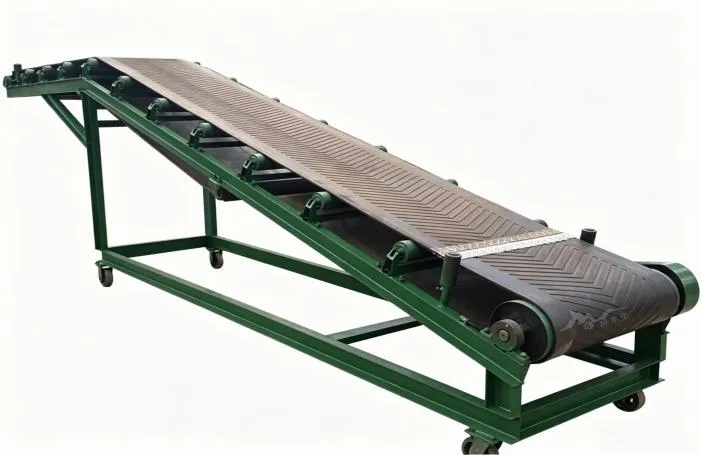
I.Do not merely focus on steel types during material selection; clearly define the protection grade.
High relative humidity will greatly accelerate corrosion of mild steel. Choose materials based on on-site conditions.
·For general industrial workshops and areas with occasional washing, hot-dip galvanized steel is recommended to ensure the coating provides adequate corrosion protection.
·For pharmaceutical production lines or areas with frequent washing: Adopt 304 stainless steel directly.
·For coastal, chemical or salt spray environments: 316 stainless steel is mandatory.
·For cost-sensitive indoor areas with low humidity: Carbon steel with heavy-duty anti-corrosion coating is acceptable, while its service life is generally no more than 7 years.
II.Structural Design: Avoid Water Traps.
Frame corrosion is often caused by water retention due to poor design, rather than inferior materials. Please check your frame structure as follows:
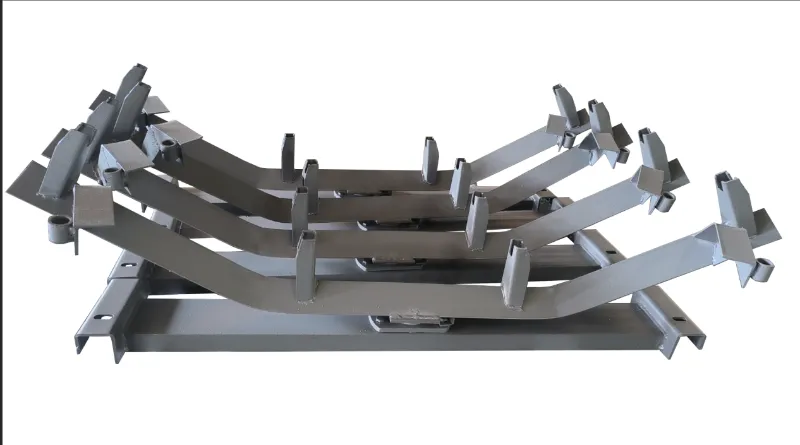
·Do not use upward-facing C-channels or channel steel as main beams, for they will easily hold standing water.
·Round or square tubular sections are recommended to minimize areas for water accumulation.
·Provide drain holes at the lowest points of all hollow sections.
·Slightly incline frame beams to facilitate natural water drainage.
III.Do not overlook joints and welds — common starting points of corrosion.
Bolted connections and welds are always weak points for anti-corrosion protection:
·Grind or re-coat welds to eliminate pores and slag inclusions.
·Use stainless steel or hot-dip galvanized bolts, and apply insulating grease (e.g. molybdenum disulfide or zinc-based anti-seize compound) to prevent electrochemical corrosion.
·Avoid direct contact between carbon steel and copper, aluminum or stainless steel. If contact is unavoidable, install insulating gaskets in between.
IV.Cost-effective Daily Maintenance Measures.
No matter how effective the anti-corrosion protection is, proactive maintenance is required under persistent humid conditions:
·Rinse salt deposits, chemical residues and mud from the frame with clean water at least once a week to prevent scaling.
·If scratches or damages occur on the coating, repair it promptly with cold galvanizing spray or zinc-rich touch-up paint to prevent rust from spreading.
·Check drain holes for clogging every month, and remove standing water and sediments accumulated at the frame base.
V.A Simple Physical Protection Method to Greatly Improve Anti-corrosion Performance.
For conveyors used outdoors or in open workshops, canopies or rain shields can effectively prevent rain exposure at a reasonable cost. If these are not applicable, fit water baffles at both ends of the frame and ensure proper drainage around the unit.
Develop Reasonable Replacement and Upgrade Plans Based on Humidity Levels
Do not wait until the frame is completely corroded through before taking action. It is recommended to conduct inspections in accordance with the following schedule:
·Low humidity (occasional condensation): Inspect coatings every 2 years; expected service life: 8–12 years.
·Moderate humidity (daily washing or high ambient humidity): Inspect once a year. Hot-dip galvanized frames can last 10–15 years, while carbon steel with coatings is recommended for replacement after 5 years.
·Severe humidity (salt spray or chemical erosion): Inspect every 6 months. 316 stainless steel is the preferred material with a service life of over 20 years.
Corrosion protection for conveyor frames in humid environments cannot rely on a single solution. It requires a complete closed-loop system covering material selection, structural design, coating and routine maintenance.
This guideline covers all key stages from procurement to daily operation. Overseas buyers may directly adopt the specifications herein in your inquiry lists, effectively cutting down unplanned downtime losses caused by corrosion.
If you need customized anti-corrosion solutions tailored to your actual working conditions, including humidity, temperature, washing frequency and chemical exposure, please contact our engineering team. We provide free technical assessment and frame drawing optimization services.
Related News
- Does Pulley Material Buildup Reduce Conveyor Efficiency?
- How to Keep Mine Conveyors Running Safely Through the Rainy Season?
- Why does long-distance belt conveyor keep spilling material and drifting off track? The trough idlers hold the answer.
- How to Inspect and Replace Drive Pulley Lagging?
- What are the safety regulations for mining belt conveyors?
- What are the root causes of high energy consumption in conveyor drive systems?
Leave me a message