
Does Pulley Material Buildup Reduce Conveyor Efficiency?
Pulley material buildup is common in tropical, high-humidity mines. Seemingly minor, it steadily reduces conveying efficiency and raises operating costs.
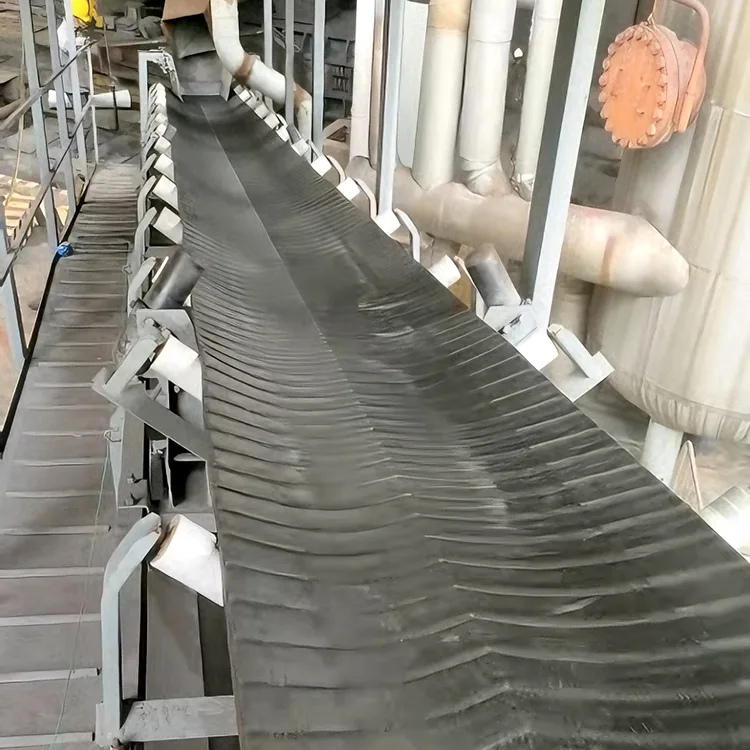
Sticky ore and slurry buildup cause belt slip, misalignment and heavier equipment load.
This article covers its hazards and practical prevention solutions.
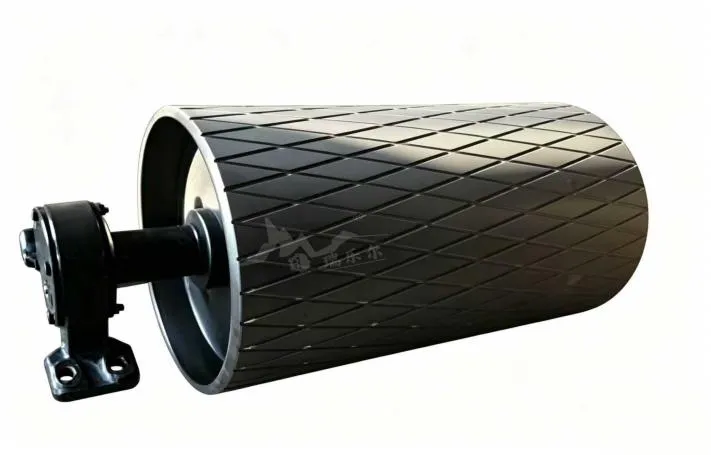
A.How Pulley Material Buildup Reduces Conveyor Efficiency?
1. Causes Belt Slippage
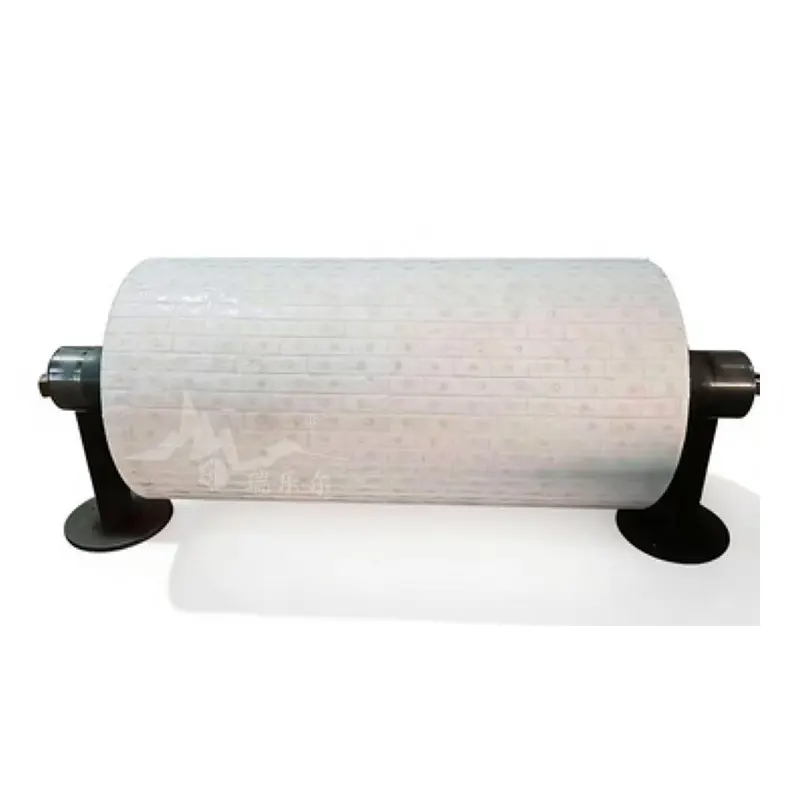
Drive pulleys rely on friction to drive the belt. When material accumulates on the pulley surface, it creates an uneven, low-friction layer. The belt fails to grip properly and slips. Slippage means material conveying slows down — or stops entirely — while the motor continues running. This wastes energy and reduces production throughput.
2. Causes Belt Misalignment
A clean pulley surface is uniformly smooth. Once material sticks to one side or the center of the pulley, the belt no longer runs along the centerline. It drifts left or right, rubbing against the frame and idlers. Misalignment causes belt edge damage, material spillage and premature belt wear. It also forces operators to slow down production or shut down the line to realign the belt.
3. Accelerates Wear of Pulleys and Belts
Adhered material acts like sandpaper. As the belt passes over the buildup area, both pulley lagging and belt cover rubber wear out much faster. Worn pulleys require early replacement. Damaged belts may need premature joint repairs or full replacement — both are costly and time-consuming.
4. Wastes Energy
Any uneven surface on pulleys increases rolling resistance. The motor must work harder to rotate the pulley and drive the belt. This extra energy consumption accumulates continuously throughout each shift. For mines operating multiple conveyor lines, pulley material buildup alone can cause a noticeable rise in electricity costs.
B.Practical Solutions for Overseas Buyers
✅ Install and Maintain Effective Belt Scrapers
You do not need complex engineering to reduce pulley buildup. The following simple measures have proven effective in mines around the world.
A high-quality primary belt cleaner at the head pulley removes most carryback material before it reaches the return belt. A secondary cleaner (usually fitted with tungsten carbide blades) clears finer residual material from the belt surface. Working in tandem, they significantly reduce the volume of material that could adhere to downstream pulleys.
✅ Install Brush Cleaners for Enhanced Fine Sticky Material Removal
Brush cleaners are an efficient supplement for belt cleaning, ideal for sticky materials in tropical high-humidity mines. Mounted on return belts downstream of secondary hard-blade cleaners, their wear-resistant bristles clear fine sticky residue, wet powder and texture buildup missed by hard blades.
✅ Adopt Self-Cleaning Return Idlers
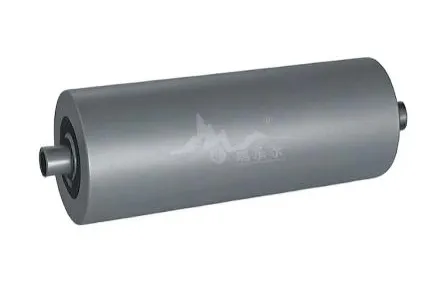
Some return idlers are designed with rubber disc or spiral groove structures to prevent material buildup on their surfaces. These self-cleaning return idlers perform particularly well in areas prone to material buildup, such as tail pulleys and snub pulleys.
✅ Maintain Proper Belt Tension
Correct belt tension ensures the belt makes uniform, full contact with pulley surfaces. Insufficient tension prevents the belt from discharging material effectively, while excessive tension accelerates wear. Regular tension inspections deliver noticeable improvements.
✅ Control Moisture at Transfer Points
Where site conditions allow, install spray systems or drip trays to reduce the moisture content of bulk material before it reaches the belt. Drier material is far less likely to adhere to pulleys.
✅ Schedule Regular Inspections
Quick visual checks of pulleys during daily routine inspections can catch material buildup at an early stage. Clearing a small amount of buildup takes only minutes — far less time than replacing a worn pulley or repairing a damaged belt.
C.For overseas buyers, pulley material buildup is far more than a minor nuisance.
·Material buildup on pulleys is by no means a trivial issue. It drastically reduces conveyor operating efficiency, resulting in belt slip, belt deviation, excessive wear of components, higher energy consumption and increased labor costs for material cleaning.
·Fortunately, many cost-effective solutions are proven effective. Install high-quality belt cleaners and self-cleaning pulleys, adjust proper belt tension and conduct regular inspections to keep pulleys clean and the conveyor running at peak efficiency.
For product quotations and customized prevention solutions, please do not hesitate to contact us.
Next :
-
Related News
- How to Keep Mine Conveyors Running Safely Through the Rainy Season?
- How to Select Conveyor Frame Materials for Humid Environments?
- Why does long-distance belt conveyor keep spilling material and drifting off track? The trough idlers hold the answer.
- How to Inspect and Replace Drive Pulley Lagging?
- What are the safety regulations for mining belt conveyors?
- What are the root causes of high energy consumption in conveyor drive systems?
Leave me a message