
What are the daily maintenance procedures for a belt conveyor?
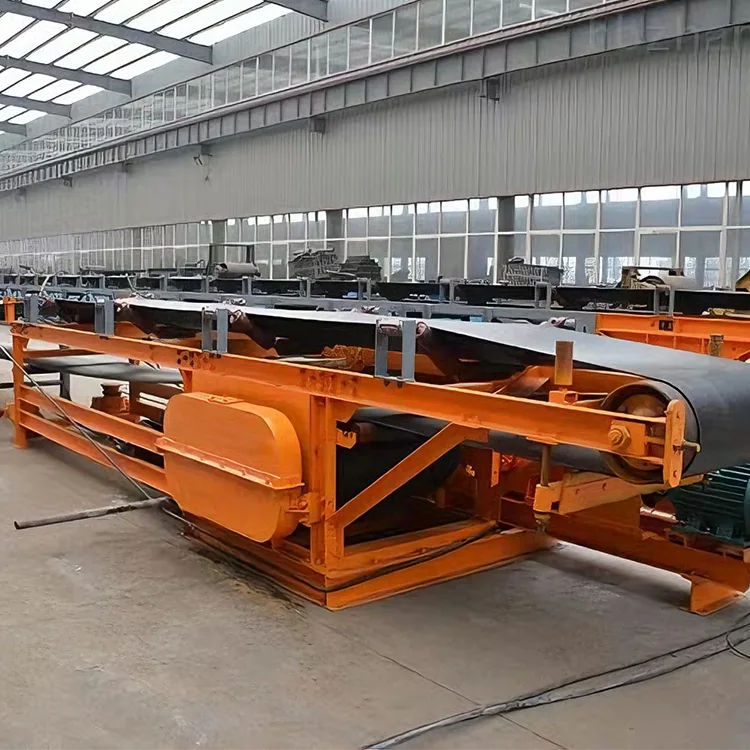
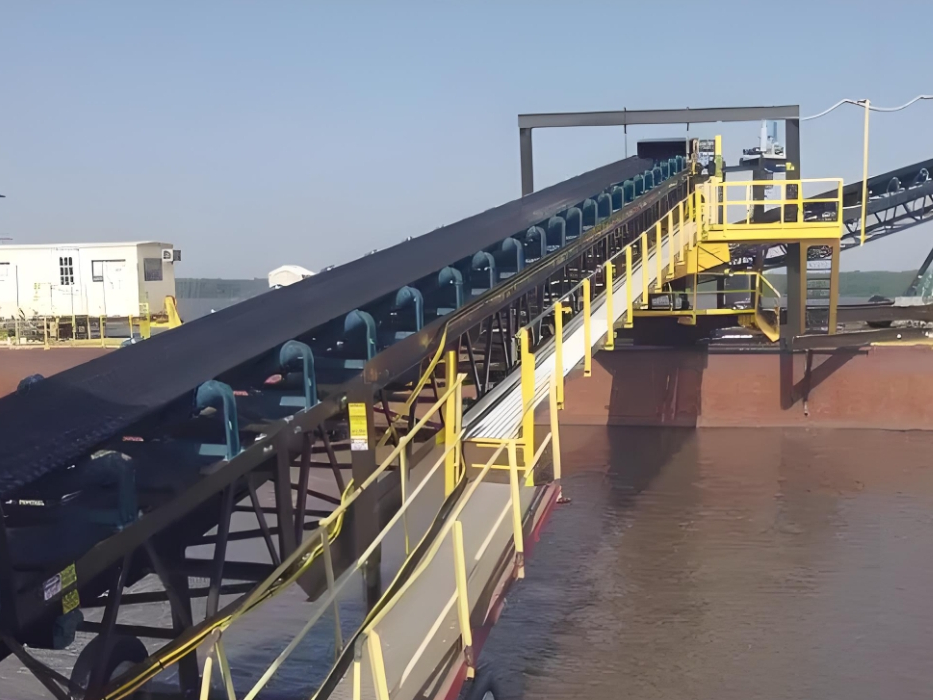
Heavy-duty belt conveyors serve as core industrial equipment for the transport of heavy-load materials. Standardized and regular maintenance can effectively minimize downtime caused by malfunctions, extend the equipment's service life, and enhance overall operational efficiency. This article outlines standardized maintenance methods applicable to environments such as mines, construction material sites, and ports, aiming to facilitate the continuous and stable operation of the equipment.
I. Daily Inspections and Basic Maintenance
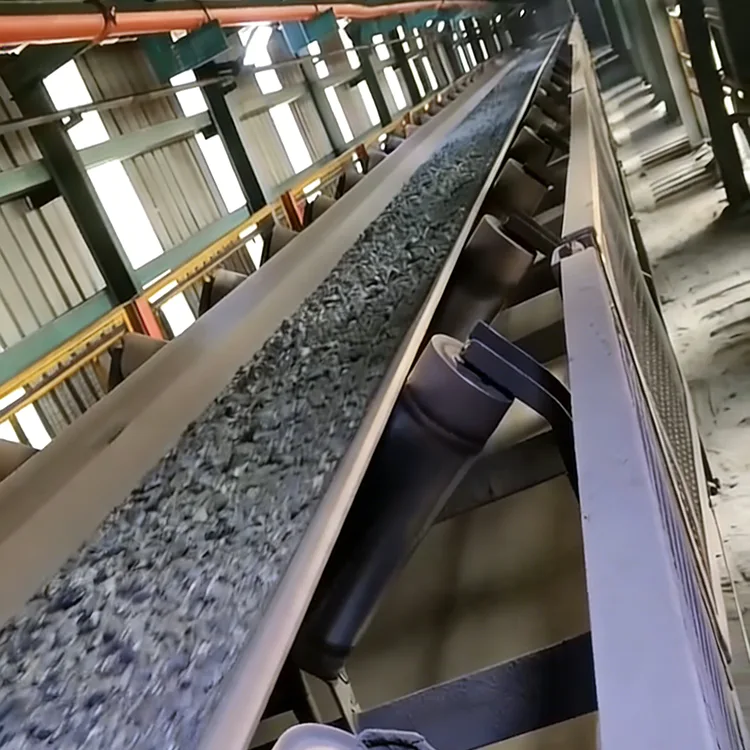
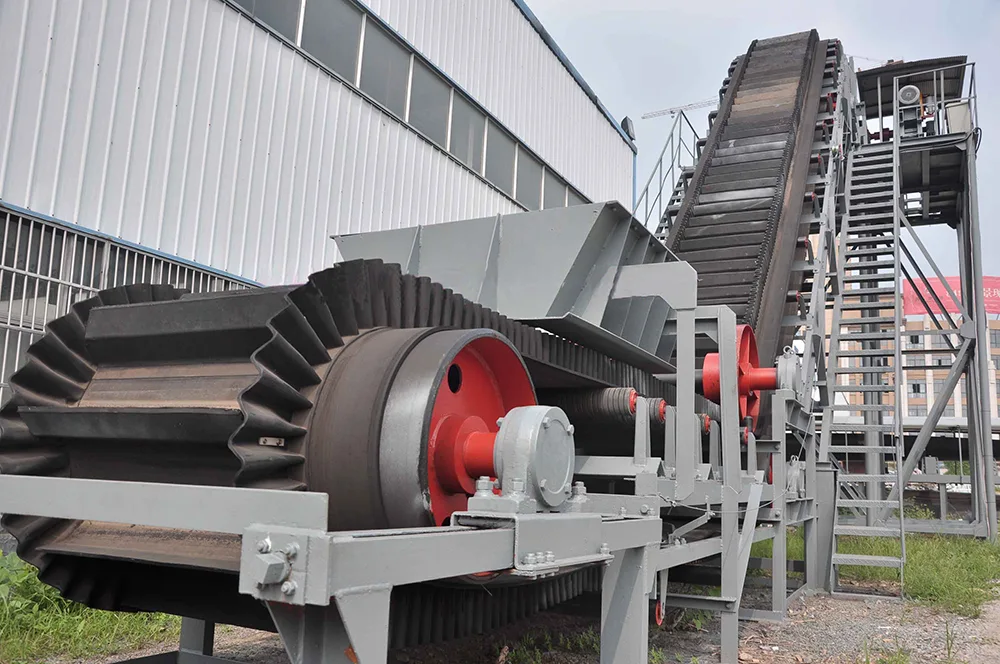
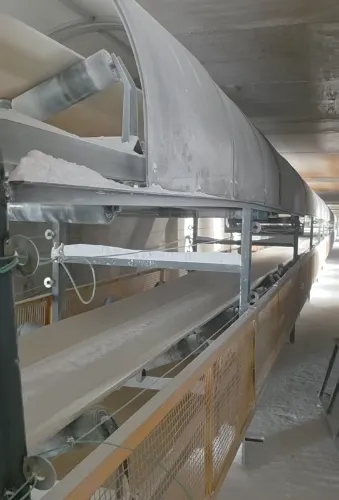
Before startup: Inspect the appearance of the conveyor belt to confirm the absence of cracks, abnormal wear, or misalignment (belt run-off), and verify that the belt splices are secure and free of cracks. Clean any material adhering to the surfaces of the belt, pulleys, and idlers to prevent material accumulation, which could lead to excessive wear.
During operation: Monitor the equipment's running status; check for abnormal noises, vibrations, or excessive temperature rises; promptly correct any belt misalignment; and eliminate potential jamming hazards.
After shutdown: Tighten any loose fasteners, clear away scattered materials from the vicinity of the equipment, and maintain a clean and tidy work area.
II. Specialized Maintenance for Core Components
Conveyor Belt Maintenance: Maintain appropriate belt tension and avoid prolonged overloading. Promptly repair minor damage to prevent it from escalating, and periodically inspect the flatness and connection strength of the belt splices.
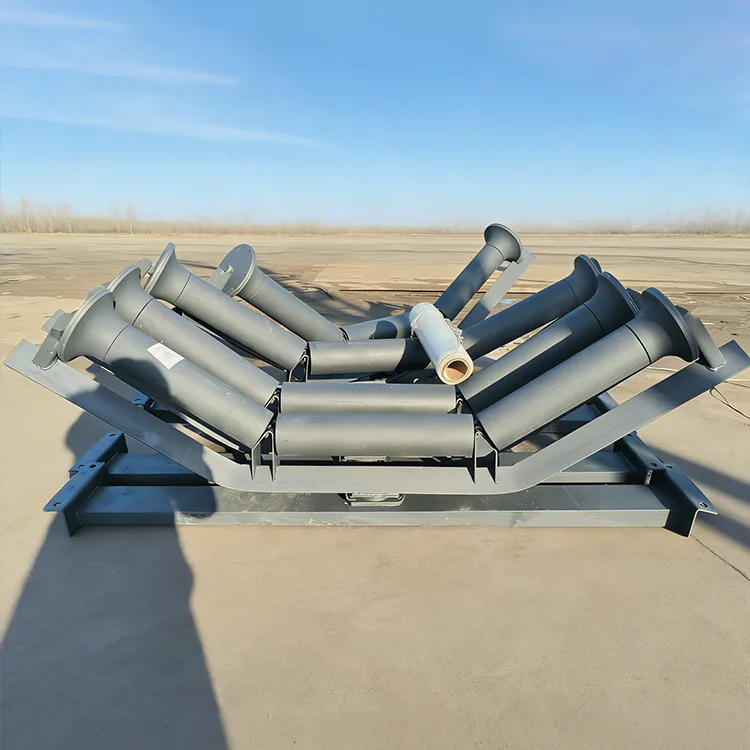
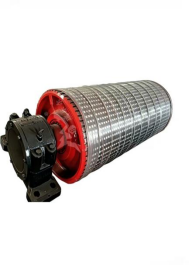
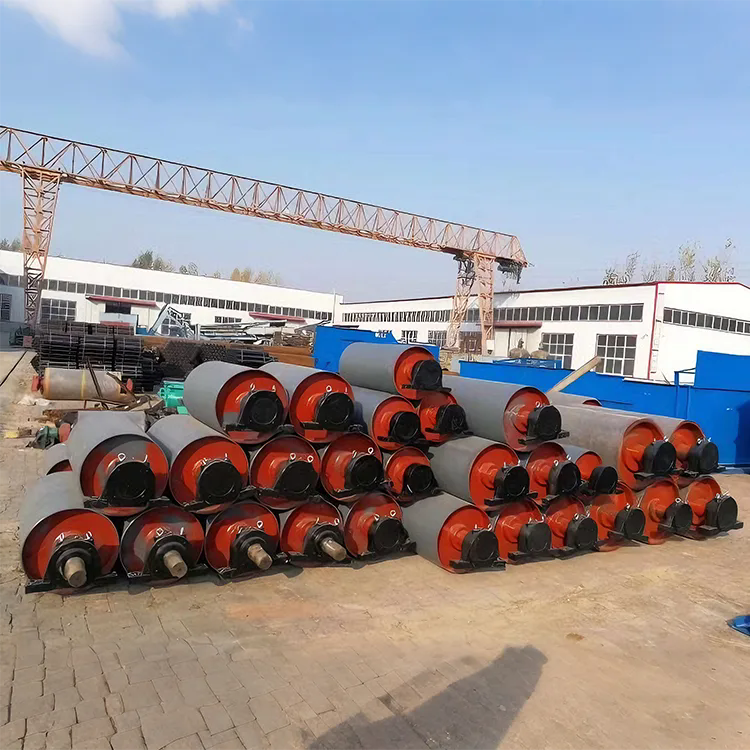
Pulleys and Idlers Maintenance: Periodically lubricate bearings with the appropriate grease. Promptly replace any idlers that are seized or exhibit excessive wear. Inspect the condition of the pulley lagging (rubber coating) and ensure proper alignment.
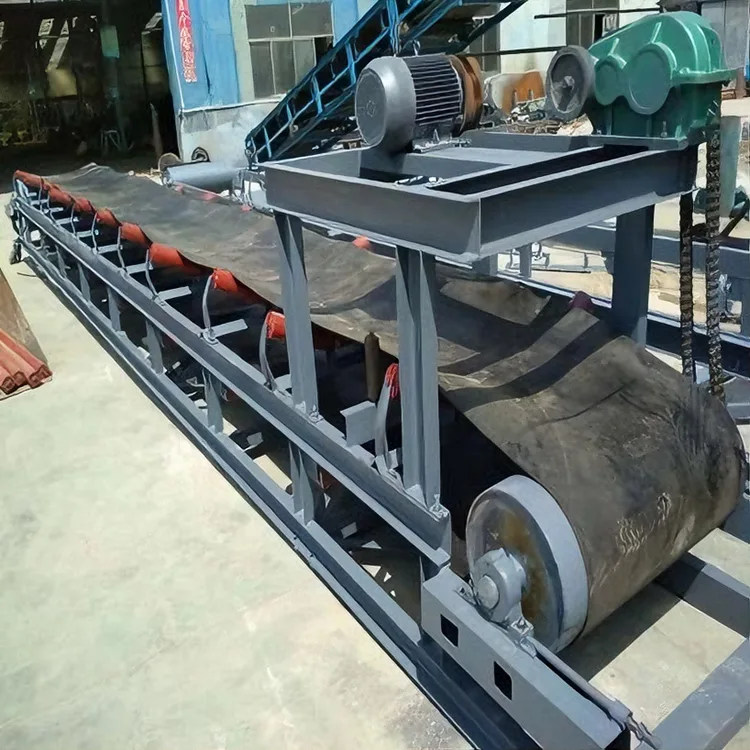
Drive System Maintenance: Periodically inspect the operating status of the motor, reducer (gearbox), and couplings. Replace the lubricating oil in accordance with equipment specifications to ensure smooth power transmission.
Tensioning Device Maintenance: Periodically adjust the tensioning mechanism to maintain appropriate belt tension, thereby preventing slippage or excessive stretching.
III. Periodic In-Depth Maintenance for Heavy-Duty Belt Conveyors
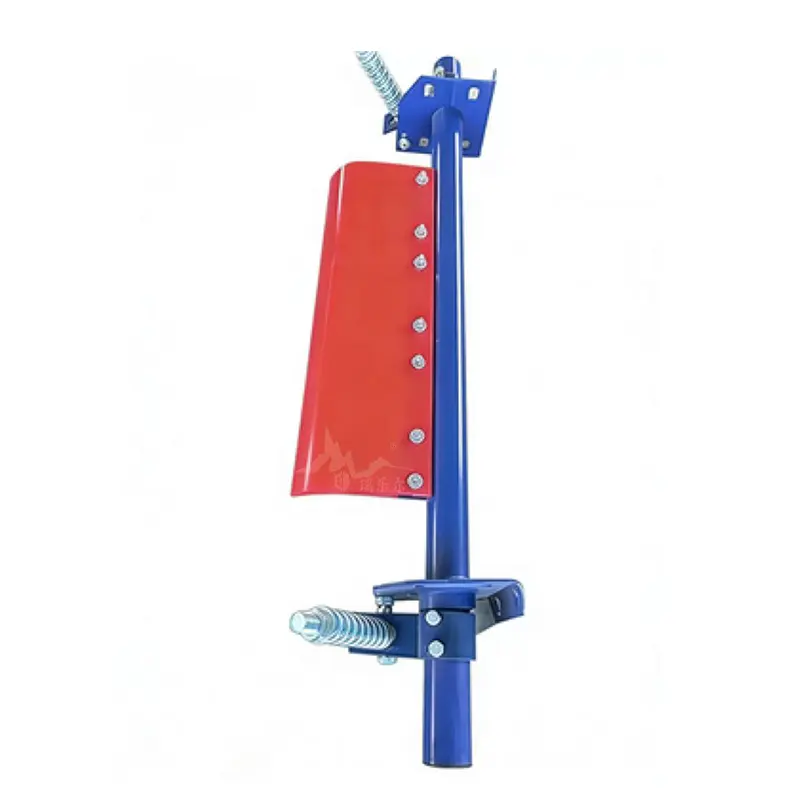
Weekly: Conduct a comprehensive inspection of the idlers, pulleys, and belt cleaners. Complete lubrication tasks for critical components and tighten bolts in key areas.
Monthly: Monitor the motor's operating temperature and the quality of the oil in the reducer. Verify the reliability of electrical connections and assess the degree of wear on critical components.
Annually: Conduct a comprehensive overhaul of the entire machine. Replace aging or consumable wear parts, and calibrate the equipment's operating parameters.
IV. Recommendations for the Maintenance and Management of Heavy-Duty Belt Conveyors
Establish a comprehensive equipment maintenance log to record information regarding routine inspections, preventive maintenance, and repairs. Additionally, provide basic maintenance training to operators to enhance their capabilities in identifying and addressing potential hazards at an early stage.
By conducting maintenance in strict adherence to the aforementioned guidelines, the operational stability of heavy-duty belt conveyors can be significantly improved, lifecycle operation and maintenance costs can be reduced, and a reliable guarantee for continuous production can be secured.

Related News
- How to Inspect and Replace Drive Pulley Lagging?
- What are the safety regulations for mining belt conveyors?
- What are the root causes of high energy consumption in conveyor drive systems?
- How to effectively prevent conveyor belt slippage?
- Selection guide for primary cleaner
- What are the precautions for the maintenance and repair of conveyor belts?
Leave me a message