
How to Stop Belt Edge Wear Against Conveyor Frame
Belt edge wear caused by frame scraping plagues all mine conveyors. It abrades the conveyor belt, shortens equipment service life, and may lead to belt rupture or material blockage. This article analyzes its root causes and provides practical prevention and repair solutions applicable on mine sites.
A.Causes of Belt Edge Wear
1.Belt deviation (off-tracking) is the fundamental cause of edge abrasion.
Conveyor belts should run centered on idlers, yet manufacturing tolerances, installation errors, foundation settlement, uneven feeding and long-term wear will push belts off the centerline.
2.Typical signs of belt deviation:
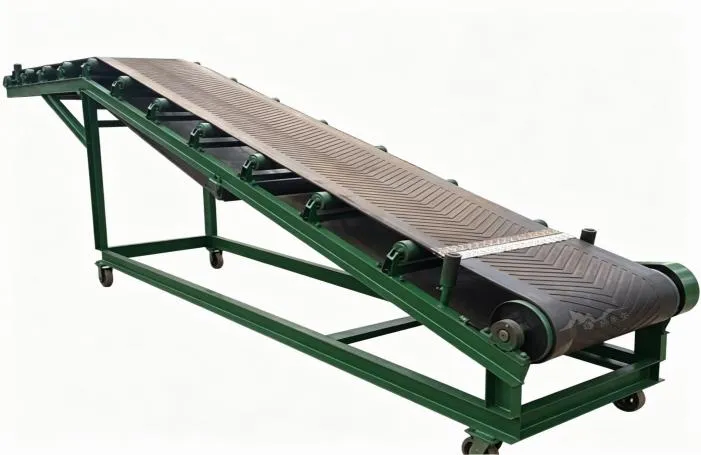
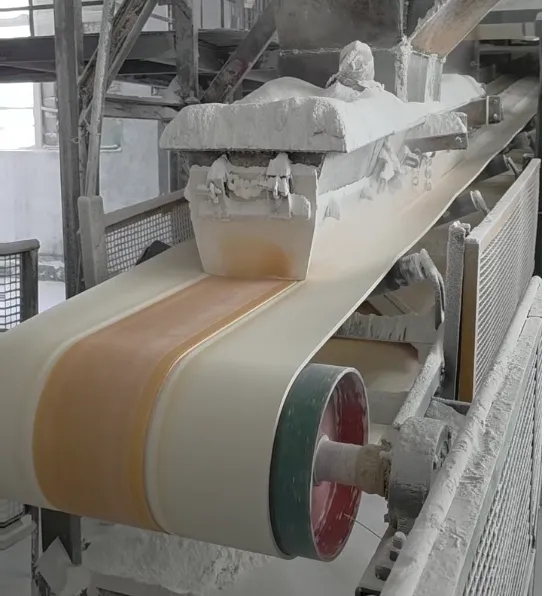
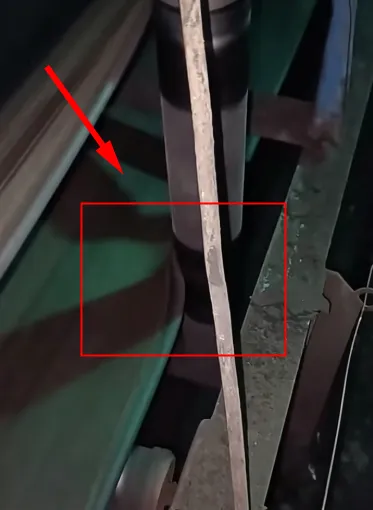
·Frayed or worn belt edges rubbing against side frames, narrowing effective belt width
·Material spillage on one side of the conveyor
·Premature uneven wear on idlers and pulleys
·Off-center contact with head/tail drums and side frame stringers
B.How to Prevent Belt Edge Wear and Protect Frames
1.Install automatic belt tracking systems
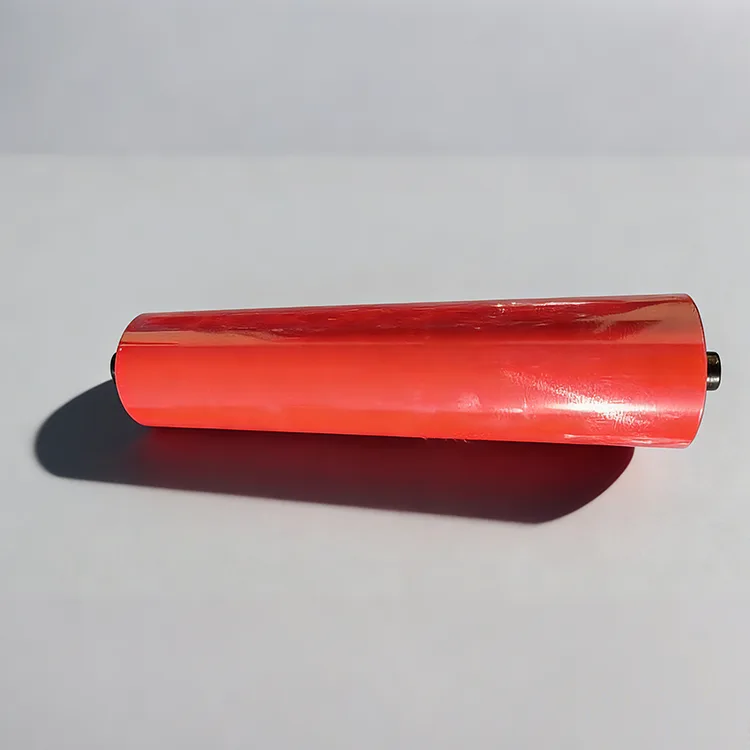
Passive tracking devices often fail to suit modern high-speed, heavy-load conveyors. Automatic belt trackers like self-centering idlers continuously correct belt offset in real time. With patented parallel steering mechanisms, they adjust the belt running route automatically to avoid frame contact.
2.Frame Clearance and Structural Correction
Insufficient clearance between belt edges and frames frequently causes abrasion. Maintain the recommended minimum gap to avoid contact during normal operation.
3.Optimize Loading and Feeding Conditions
Off-center or uneven feeding ranks among the top causes of belt deviation. Uneven material distribution shifts the load gravity, forcing the belt off its normal track. Verify materials fall centrally and smoothly along the belt.
4.Inspect and Replace Defective Idlers
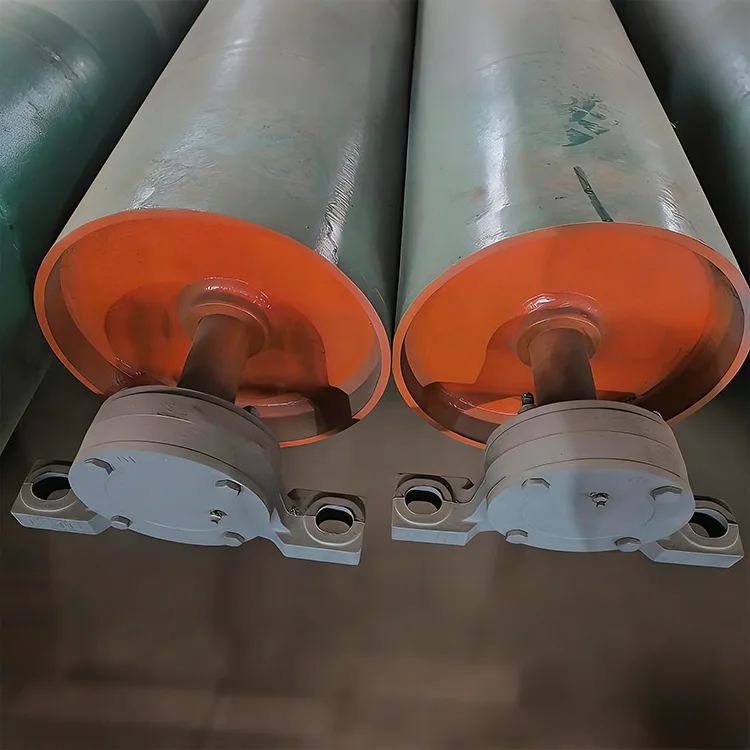
Idlers and pulleys guide belt travel. Worn, seized, tilted or misaligned rollers push the belt sideways. Regularly check carrying and return idlers, especially where deviation originates. Replace damaged or locked idlers promptly and ensure all roller sets are perpendicular to the conveyor centerline.
5.Maintain Proper Belt Tension
Improper tension also triggers off-tracking. Loose belts wander and slip; unbalanced tension creates uneven lateral force and unstable tracking. Check take-up units, tension balance and operation under startup & full-load conditions.
C.Effective Solutions to Avoid Belt Edge Wear
1.Belt edge wear caused by frame friction is an avoidable fault rather than inevitable abrasion in production. By installing automatic trackers, calibrating frame structures, optimizing feeding conditions and adding wear-resistant accessories, mines can greatly extend belt service life, cut unplanned downtime and protect equipment assets.
2.Upfront protection costs far less than later replacement and maintenance. Do not wait until belts or frames get damaged for remedies. Implement protective measures timely to safeguard the whole conveyor system
Prevention costs far less than replacement. Do not wait until severe belt edge wear and frame damage occur — take steps to safeguard your conveyor system today.
For more information about our belt conveyors and spare parts solutions, contact our team for consultation. We supply reliable, long-lasting equipment engineered for the harshest mining sites worldwide.
Related News
- Why do conveyor idler brackets fracture easily in heavy-duty mining areas?
- Guide to Daily Inspection and Quick Replacement of High-Elastic Buffer Bars in Guide Chute Under Harsh Copper Mine Conditions
- What is carryback? How to eliminate it?
- Does Pulley Material Buildup Reduce Conveyor Efficiency?
- How to Keep Mine Conveyors Running Safely Through the Rainy Season?
- How to Select Conveyor Frame Materials for Humid Environments?
Leave me a message