

Carrying Training Idlers
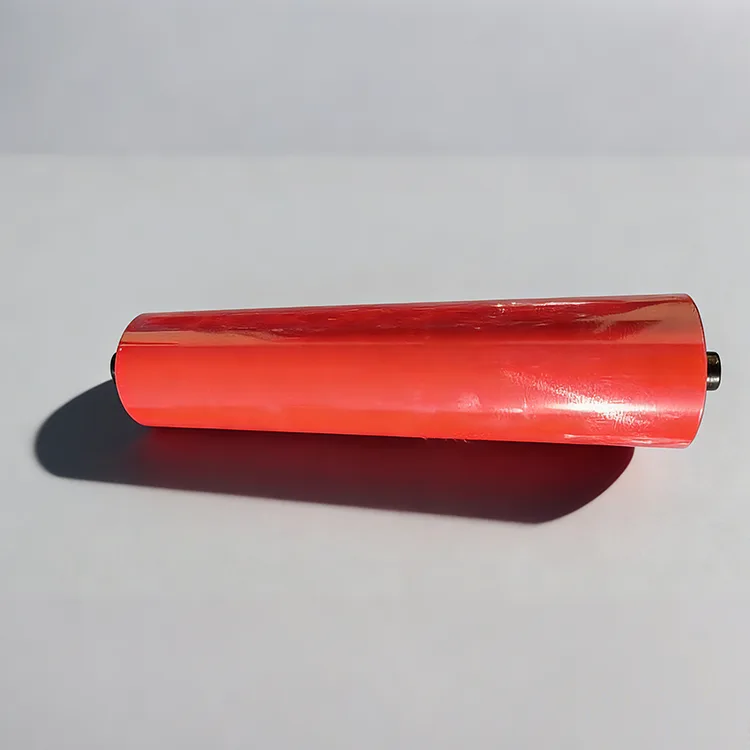
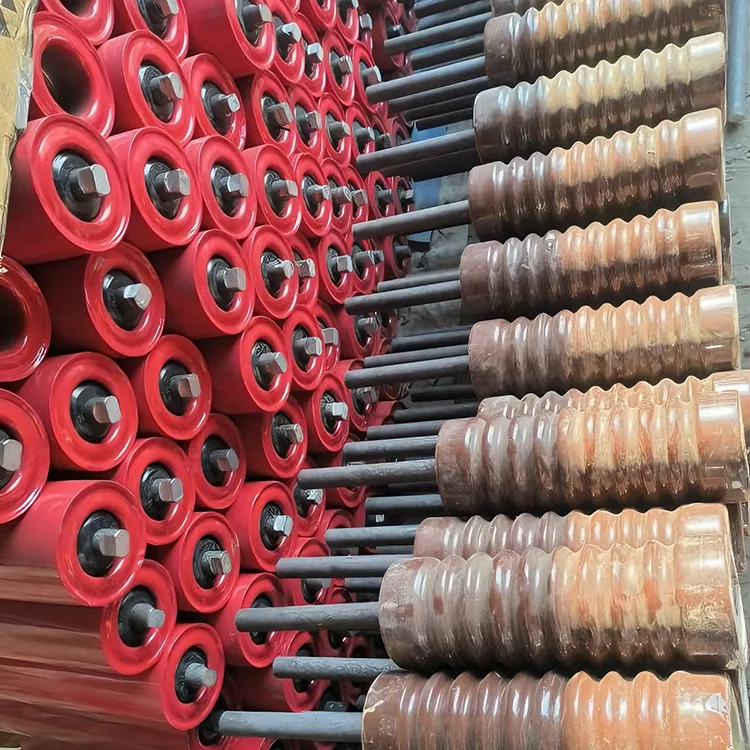
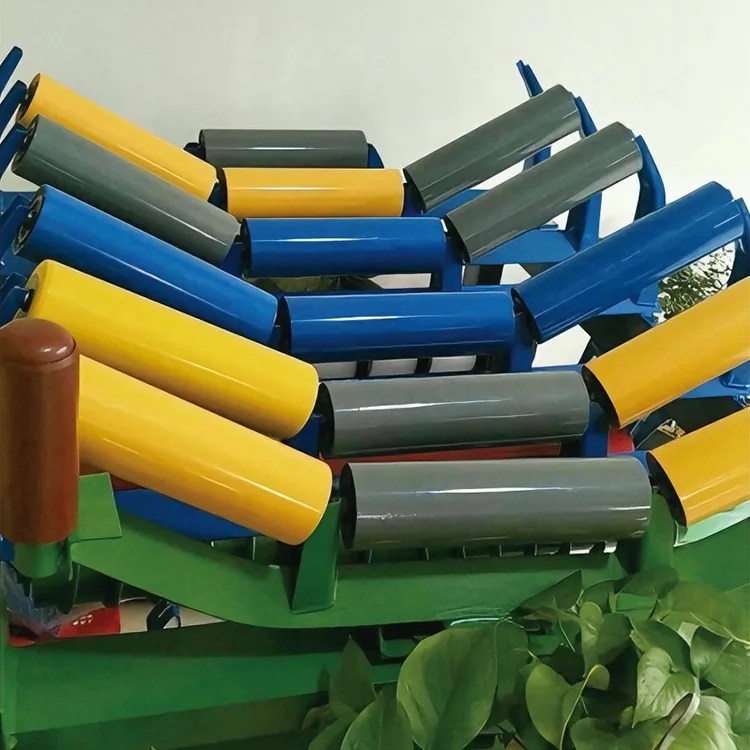
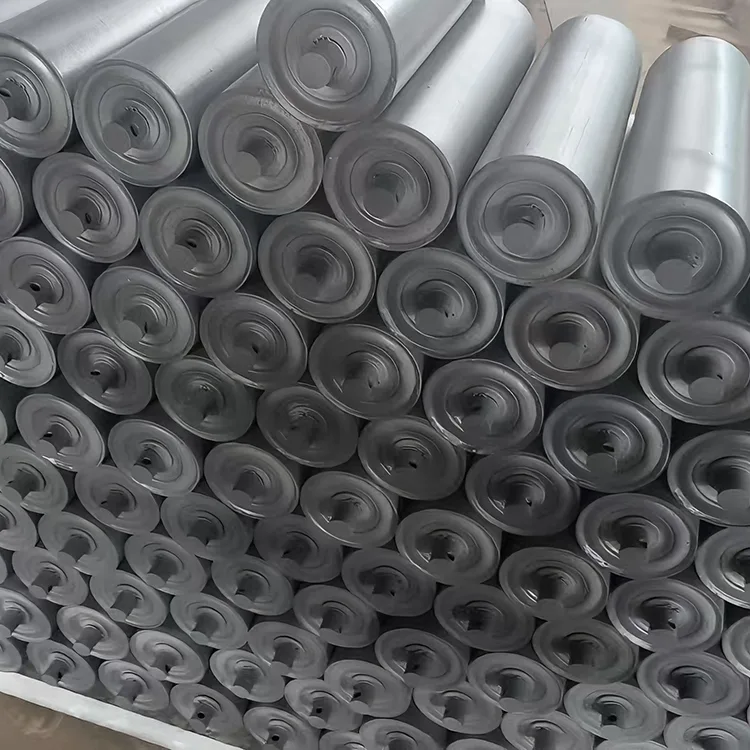
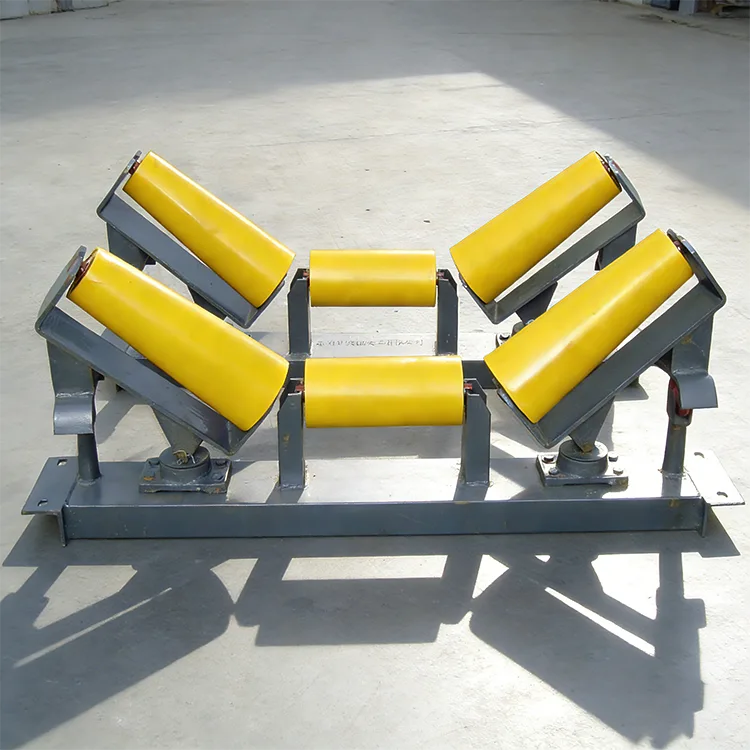
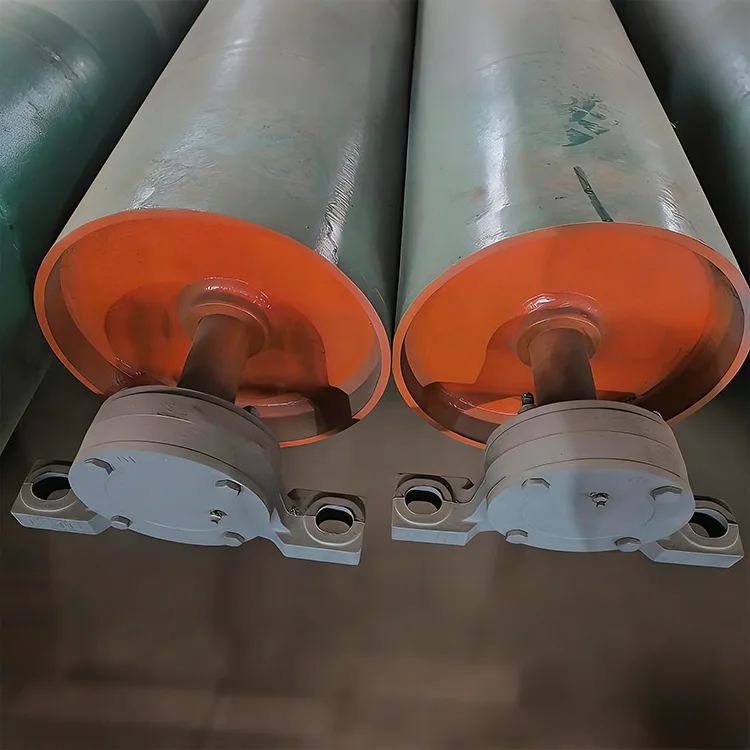
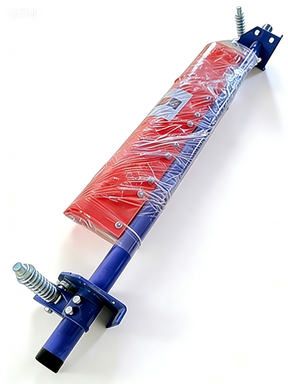
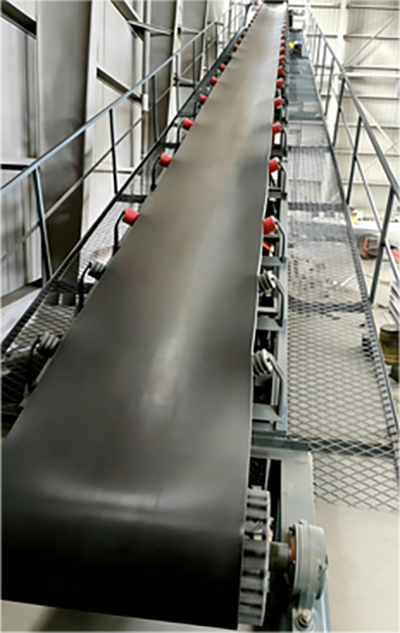
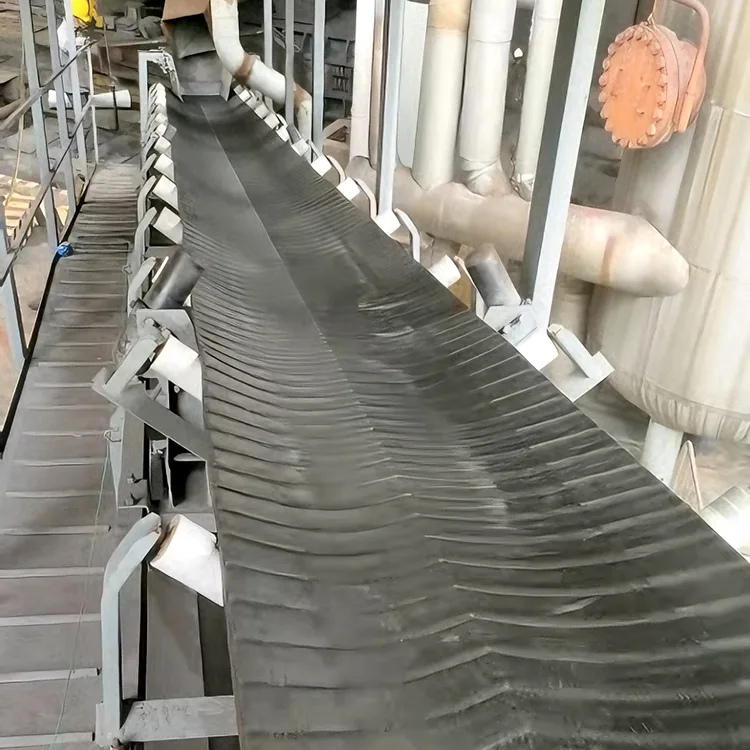
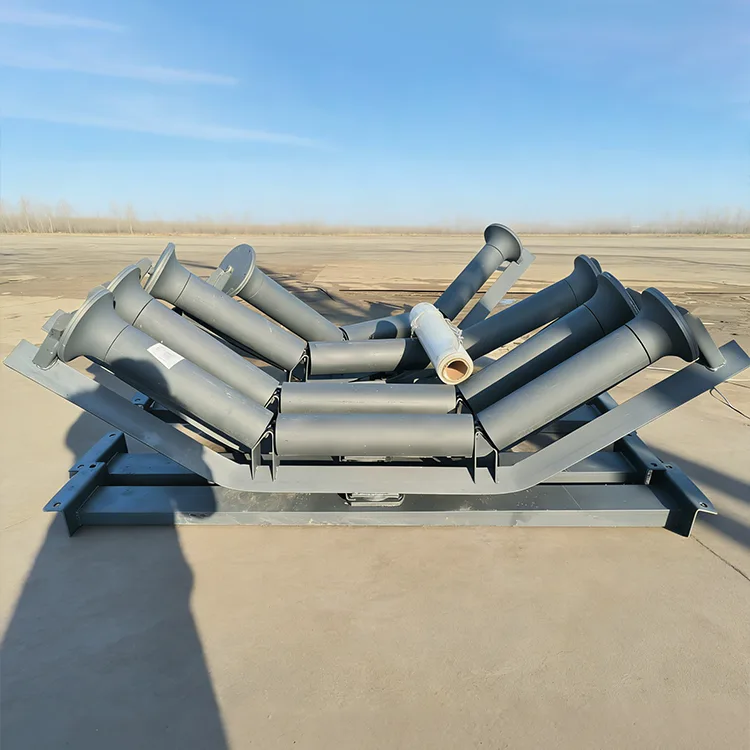
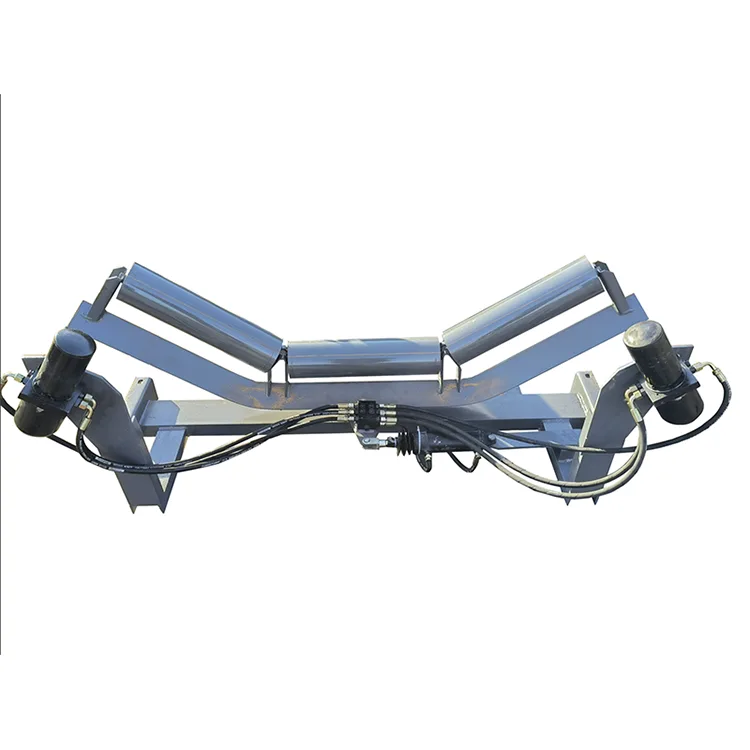
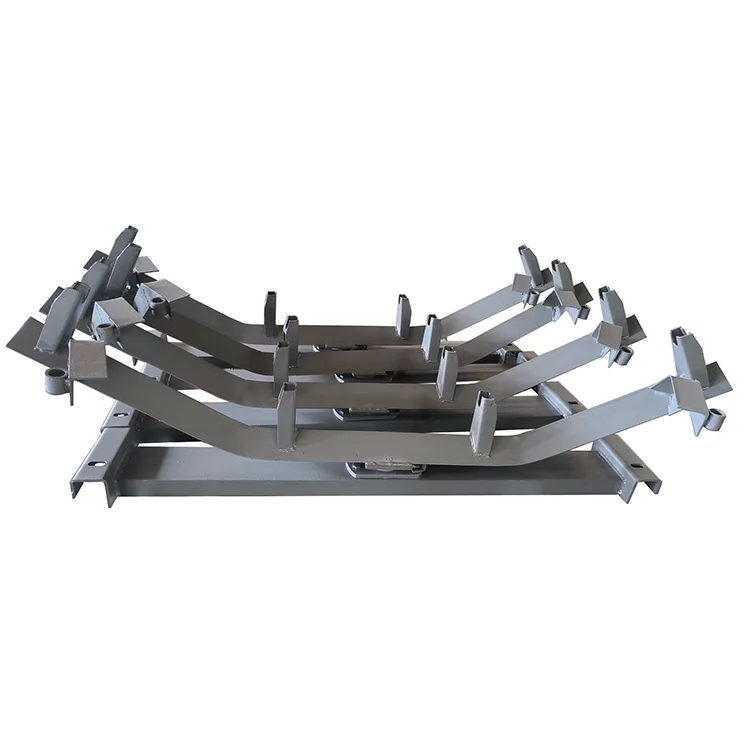
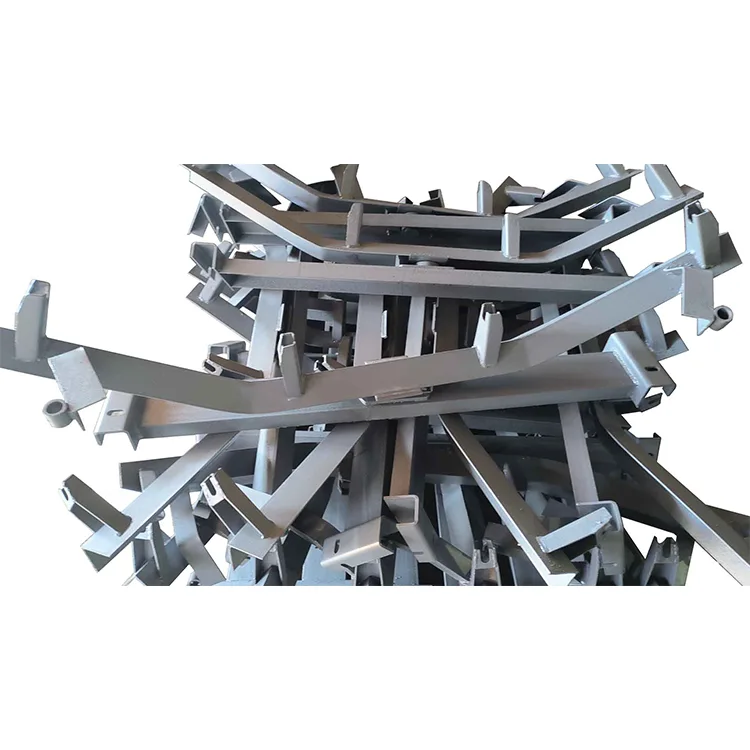
Rui Le'er is a professional China manufacturer, supplier, and factory of conveyor components. Our Carrying Training Idlers are designed to automatically correct belt misalignment, reducing edge damage, spillage, and downtime. Made from high-strength carbon steel with precision machining and strict inspection, they ensure smooth rotation, stable tracking, and long service life. Available for belt widths B500–B2000, Rui Le'er supports OEM customization and fast delivery for mining, cement, ports, and bulk material handling projects worldwide.
The Carrying Training Idlers set achieves automatic deviation correction based on the principles of mechanical differential and deflection. Its selection must match the belt width, speed and working conditions. Installation should comply with the specifications for spacing and positioning. Daily maintenance focuses on cleaning, lubrication and reset inspection. Meanwhile, it is necessary to identify the root cause of belt deviation to avoid over-reliance on the idler. Proper use can significantly improve the stability and service life of the conveyor.
Core Functions and Working Principles
Core Functions
Automatic Deviation Correction: It detects belt deviation in real time and generates lateral thrust to push the belt back to the center position, preventing edge wear, tearing or material spillage.
System Protection: It reduces abnormal friction between the belt, frame and rollers, lowers equipment failure rate, and extends the service life of both the belt and idlers.
Adaptability to Bidirectional Operation: Certain structures (such as vertical roller type and four-bar linkage type) can meet the requirements of unidirectional or bidirectional conveying, making the application scenarios more flexible.
Maintenance-free Design: The fully enclosed mechanical structure can reduce the intrusion of dust and moisture, and decrease the frequency of maintenance.
Working Principles
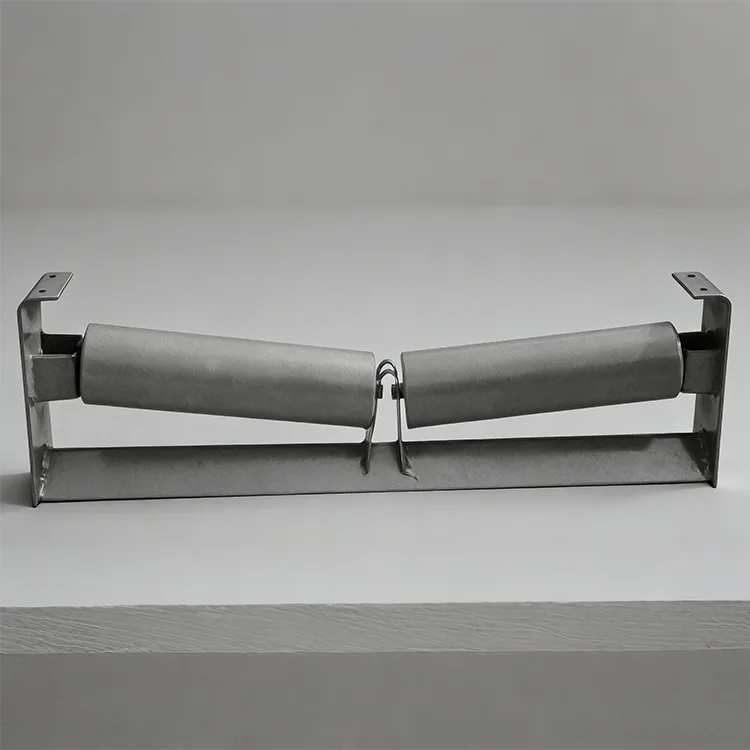
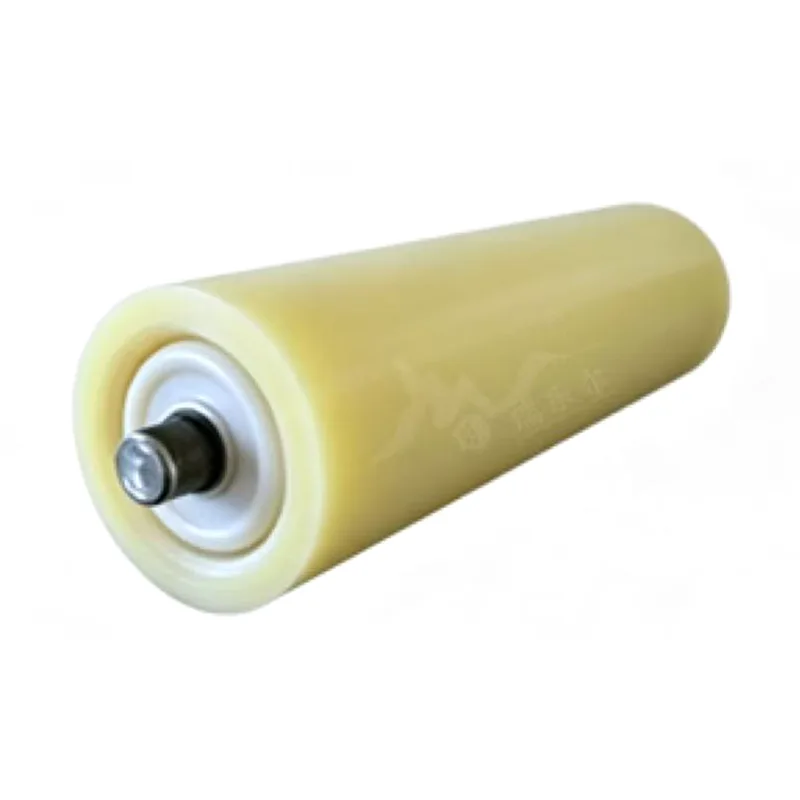
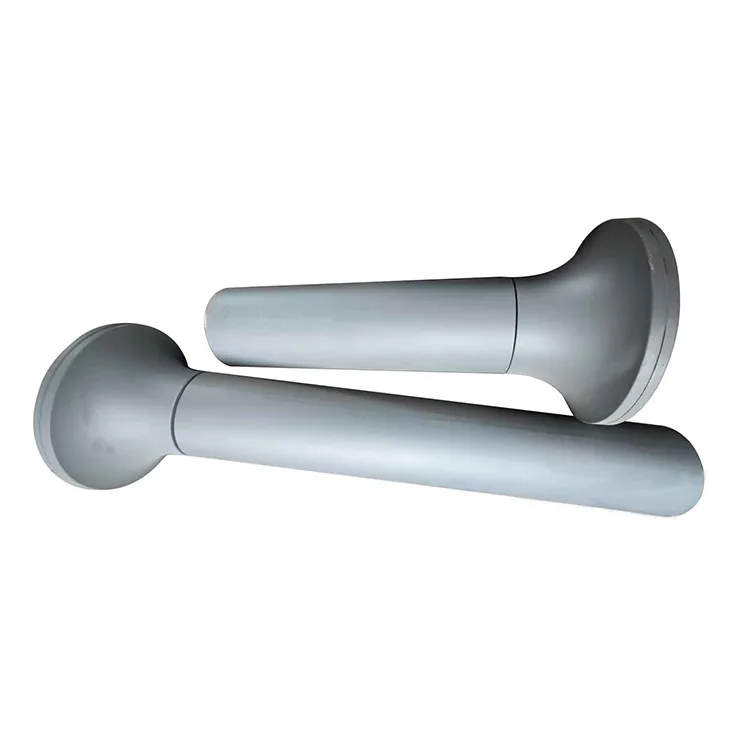
Differential Speed Principle of Tapered Idlers: The upper self-aligning idler set is usually composed of 2 tapered idlers plus 1 flat idler. The linear speed of the large end of the tapered idler is higher than that of the small end.
Deviation-triggered Deflection: When the conveyor belt deviates, the edge of one side comes into contact with the small end of the tapered idler. The linear speed difference generates additional friction, which drives the slewing frame to deflect around the central axis.
Lateral Thrust for Deviation Correction: The deflected idler set exerts a lateral component force on the conveyor belt, forcing the belt to reset to the center line.
Reset Mechanism: Some structures (such as spring reset) automatically return to the original position after deviation correction, ready for the next operation.
Selection Parameters
| Parameber | Selection Repuirements |
| Bei Wich Adoiation |
500-2400 mm (ational Standerd 0T75/DTH typel,non: vhandard cuntomization aualable |
| Belt Speed |
For high speed (-3 m/), select high-precision, dynanicaly balanced adiens to avoid resonanoe |
| Coneeying Incination |
For large incinationanges,match anti-aid idiers to prevent materal sipping |
| Material Cheracterstics |
For corranion/hurrid environments, chocue stainlens sheel or anti-comrosion coeted idlers: for abrasive materials. chocue cenamic/laggadiders |
| Running Direction |
For bidirectiondoperation, prefer vertical or four-ink type idlens to avoid unidrectional canterfluge falure |
Installation Specifications
Spacing Settings
For short conveyors (0m): Install 1 set of Carrying Training Idlers at intervals of 10–15m.
For long conveyors: It is recommended to combine with other deviation correction methods (such as roller adjustment) to avoid belt fatigue caused by over-reliance on self-aligning idlers.
Dense installation is required at transfer points, near drive rollers, and at locations with curvature changes (where deviation is more likely to occur).
Positioning Requirements
The center line of the idler set must be aligned with the center line of the belt conveyor. The bracket should rotate flexibly without jamming or obstruction.
The gap between the vertical roller (if equipped) and the belt edge should be maintained at 5–10mm to prevent excessive extrusion or belt jamming.
Fixing Methods
The bolt tightening torque must comply with relevant specifications to prevent loosening due to long-term operational vibration.
Installation dimensions are designed in accordance with national standards, ensuring compatibility with existing conveyor frames for direct replacement or retrofitting.
Usage and Maintenance Precautions
Daily Usage Taboos
Avoid Over-dense Installation:Excessive use of upper self-aligning idlers will increase the frictional resistance of the belt and accelerate edge wear. It is recommended to arrange the idlers strictly in accordance with the spacing specifications.
Prevent Overload Impact:Buffer idlers should be equipped at the material receiving points to avoid direct impact of large materials on the self-aligning idlers, which may cause structural deformation.
Prohibit Random Disassembly:The sealed structure is prone to dust and moisture intrusion after disassembly, leading to bearing jamming or corrosion. Do not disassemble the idler components without professional guidance.
Troubleshoot Root Causes of Deviation:Self-aligning idlers are only auxiliary for deviation correction. Prior to relying on them, it is necessary to correct the roller levelness, tension balance, and frame straightness first. Avoid covering up installation errors by over-reliance on the idlers.
| Maintenance Item | Period | Key Operation Points |
|
Visual Inspection |
Daily |
Check if idlers rotate smoothly, no abnormal noise, and no wear on belt edges |
|
Idler Surface Cleaning |
Weekly |
Remove adhered material and oil stains,keep tapered roller surfaces clean to prevent differential speed failure |
|
Lubrication & Sealing |
3-6 Months |
Regularly check labyrinth seals to prevent grease leakage: replace bearings promptly when failed to ensure proper clearance |
|
Reset Mechanism Inspection |
Monthly |
Ensure reset-type belts return smoothly without jamming; check that limit blocks are intact to prevent lifting |
Common Problems & Solutions
| Problem | Cause | Solution |
|
Deviation Correction Insensitivity |
Idler rotation jamming, tapered wear, excessive spacing |
Replace bearings, repair tapered surfaces, reduce installation spacing |
|
Increased Belt Edge Wear |
Excessively narrow vertical roller gap, idler misalignment |
Adjust vertical roller gap to 5-10 mm, correct bracket levelness |
|
Difficulty in Resetting |
Spring fatigue, swing frame corrosion |
Replace springs, clean and lubricate the swing mechanism |
|
Bidirectional Operation Failure |
Unidirectional self- aligning structure mismatch |
Replace with vertical roller type or four-link upper self- aligning idler set |
|
Product name |
Upper Self-aligning Idler |
|
Specification available |
B500-B2000 |
|
Length |
Customized according to usage requirements (m) |
|
Material |
Carbon steel |
|
Color |
Customizable on demand |
|
Do you provide samples? |
Yes |
|
Minimum order quantity |
Customizable on demand |
|
Production cycle |
Negotiable |
|
Warranty period |
1 year |
|
Payment Method |
Telegraphic Transfer (T/T) |
|
FOB Port of Loading |
Tianjin/Shanghai, China |
|
Place of origin |
Baoding, China |
When selecting and purchasing components, the following points need to be noted:
1.The specifications of the rollers must be strictly matched with the conveyor belt width, belt speed, conveying capacity and installation spacing, which serves as the foundation for roller selection.
2.Belt Width Matching: The width of the roller group shall be 100–200 mm longer than that of the conveyor belt to prevent material spillage and conveyor belt edge wear.
3.Load Capacity Matching: Calculate the rated static load and dynamic load of a single roller according to the material density, belt speed and roller group spacing of the conveyor, so as to prevent roller bending and bearing damage caused by overload.
4.Roller Shell Material: Carbon Steel (Galvanized/Plastic-sprayed): Suitable for conventional working conditions with no corrosion and low abrasiveness (e.g., coal and sand conveying), featuring high cost performance.
5.Shaft Material: Prioritize 45# steel with quenched and tempered treatment or stainless steel shafts to ensure sufficient strength and corrosion resistance.
6.Production Capacity: Verify the manufacturer’s production equipment (e.g., CNC lathes, automatic welding equipment) and testing methods (e.g., dynamic balance testing, sealing performance testing) to avoid choosing workshop-style manufacturers.
7.Verify Installation Interchangeability
If the rollers are intended for replacing existing ones, focus on verifying the key dimensions including roller shaft diameter, shaft length, roller shell diameter and installation center distance. Ensure full compatibility with the original conveyor roller brackets to prevent installation failures caused by dimensional deviations.
Main Arrangement Forms of Self-Aligning Idlers:
1、(Friction Self-Aligning Idler Set)
2、(Tapered Self-Aligning Idler Set)
Hot Tags: Carrying Training Idlers Manufacturer, Bulk Handling Idlers Supplier, Conveyor Belt Training Rollers
Related Category
Send Inquiry
Contact Info
-
Address
Donghuan Industrial Zone, Boye County, Baoding City, Hebei Province, China
-
Tel
-
E-mail
Looking for a reliable conveyor equipment factory in China?
Send your inquiry to Rui Le’er to receive professional technical advice, customized conveyor solutions, and competitive factory pricing directly from the manufacturer.