
What is carryback? How to eliminate it?
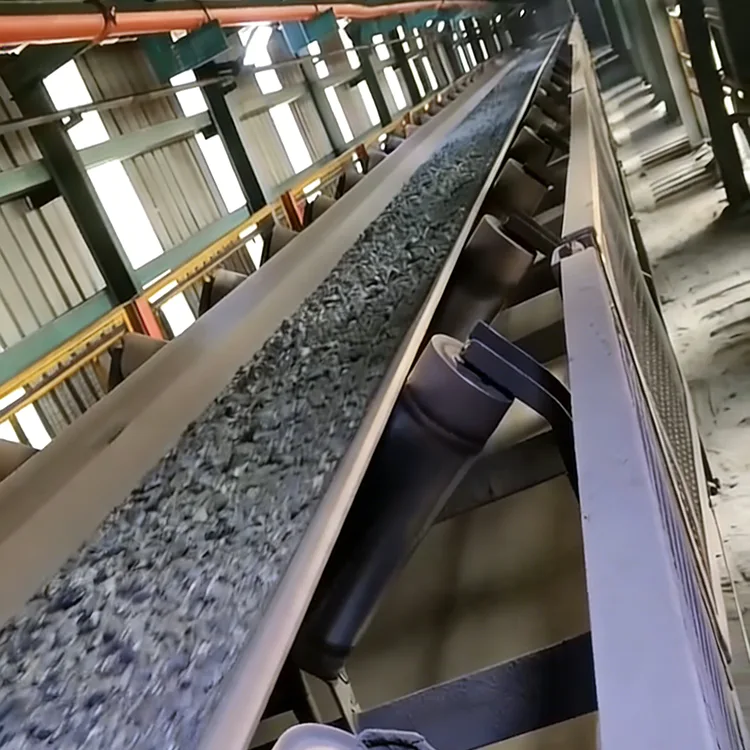
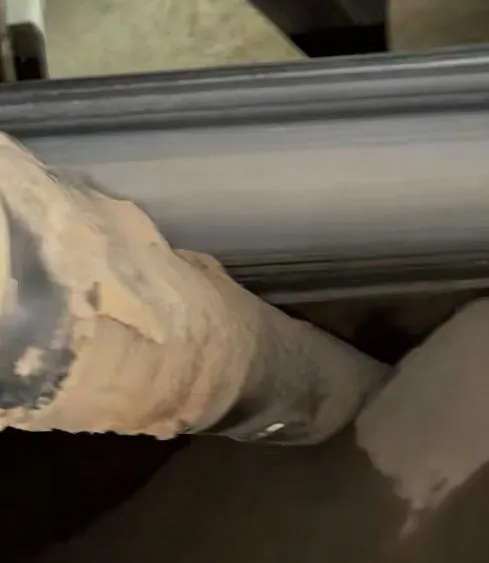
If you operate mining belt conveyors, you have likely encountered this issue: materials that should be unloaded at the drive head stick to the belt and travel back along the return run, a phenomenon known as carryback. While it may seem a minor nuisance at first, prolonged occurrence will severely impair equipment performance, operational safety and raise running costs.
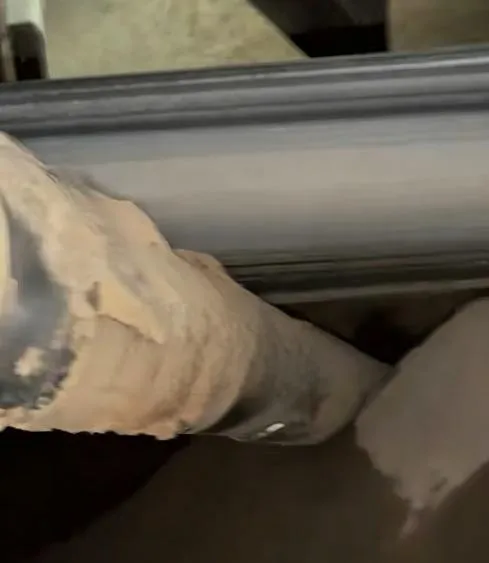
A.What Is Carryback?
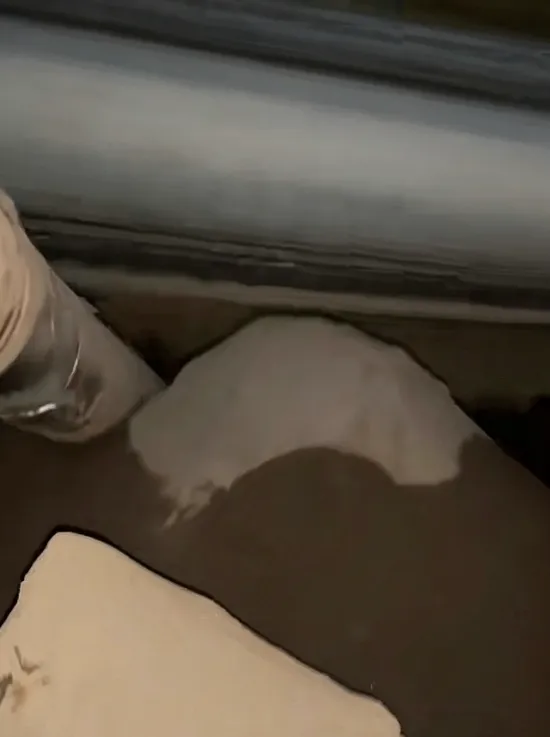
1.Materials unloaded at discharge points stick to the conveyor belt surface and travel backward along the return belt section, falling onto return idlers, walkways and the ground along the route.
2.Dust adhesion condition: Even dry fine dust may embed itself in tiny scratches or grooves on the belt surface and be carried backward.
B.Why Should Carryback Be Taken Seriously?
· Equipment Damage
Accumulated materials will accelerate wear on return idlers and pulleys, resulting in frequent replacement of spare parts.
· Unplanned Shutdown
Material jamming on idlers requires production halt for cleaning, leading to reduced output.
· Rising Labor Cleaning Costs
Mass scattered accumulated materials require workers to spend substantial time on cleaning, pushing up labor expenses.
· Potential Safety Hazards
Cleaning accumulated materials under running conveyors carries major safety risks, and flying dust deteriorates on-site air quality. Shortened Service Life of Conveyor Belts
·Shortened Belt Service Life
Abrasive materials continuously rub against the belt, accelerating belt wear and shortening replacement intervals.
C.What Causes Carryback?
·High viscosity and high moisture content of materials lead to severe adhesion on rubber conveyor belts.
· Improper wear or adjustment of belt cleaners: Worn, loose or misaligned cleaner blades fail to thoroughly remove residual materials.
· Damaged belt surface: Cracks and rough areas formed after long-term operation tend to trap fine particles.
· Belt deviation: When the belt drifts sideways, residual materials on one side cannot be cleaned by the scraper.
D.How to Eliminate Carryback?
Complete equipment reconstruction is unnecessary; systematic steps can deliver satisfactory results:
·Install multi-stage belt cleaners. Single-stage cleaners generally deliver insufficient cleaning performance. The primary cleaner at the head removes most lump materials, while the secondary cleaner fitted on the return belt clears fine residual powder. A tertiary cleaner can be added for extra protection under severe working conditions. Matching cleaners shall be selected according to the properties of conveyed materials.
·Replacing with material-matched belt cleaners delivers superior cleaning performance, longer service life and less maintenance workload, while applying lower contact pressure on the conveyor belt.
·Deploy self-cleaning return idlers at key positions. Conventional steel idlers tend to trap materials easily. Fit spiral cleaning idlers in the head area with severe material carryback, which can automatically shake off adhered materials when the belt deforms slightly.
·Maintain proper belt centering. Belt deviation is a major contributor to carry-back. Install belt alignment devices several meters ahead of the discharge zone to keep the belt running centrally.
E.Ways to Control Return Belt Carryback
Return belt carryback is a common yet entirely preventable issue. By identifying its root causes, combining high-performance scrapers, belt alignment devices and self-cleaning idlers, and carrying out routine maintenance properly, your conveyors can operate efficiently, safely and cost-effectively.
Baoding Ruileier Transportation Equipment Manufacturing Co., Ltd. specializes in manufacturing high-quality mining belt conveyors and spare parts, all engineered to solve practical on-site problems. Contact us today, and we will help you eliminate return belt carryback and optimize your conveyor performance.
Related News
- Why do conveyor idler brackets fracture easily in heavy-duty mining areas?
- Guide to Daily Inspection and Quick Replacement of High-Elastic Buffer Bars in Guide Chute Under Harsh Copper Mine Conditions
- How to Stop Belt Edge Wear Against Conveyor Frame
- Does Pulley Material Buildup Reduce Conveyor Efficiency?
- How to Keep Mine Conveyors Running Safely Through the Rainy Season?
- How to Select Conveyor Frame Materials for Humid Environments?
Leave me a message