
How to effectively prevent conveyor belt slippage?
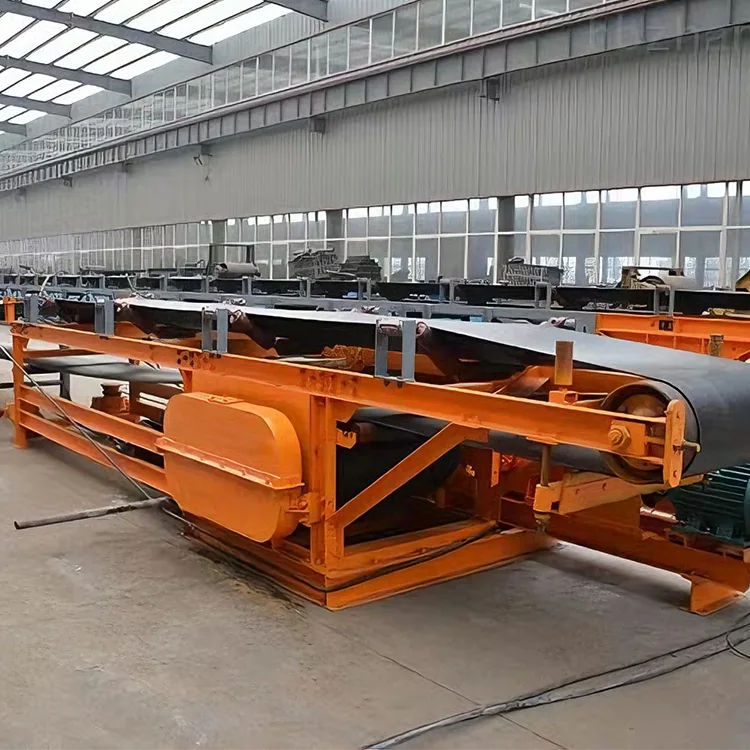
As a core continuous conveying equipment, the operational stability of belt conveyors directly affects production line efficiency and safety. Belt slippage not only causes problems such as belt wear, tearing, and material spillage, but in severe cases, it can also lead to major hidden dangers such as shutdowns, production stoppages, and safety accidents.

Measures to prevent conveyor belt slippage


1.Optimize transmission structure
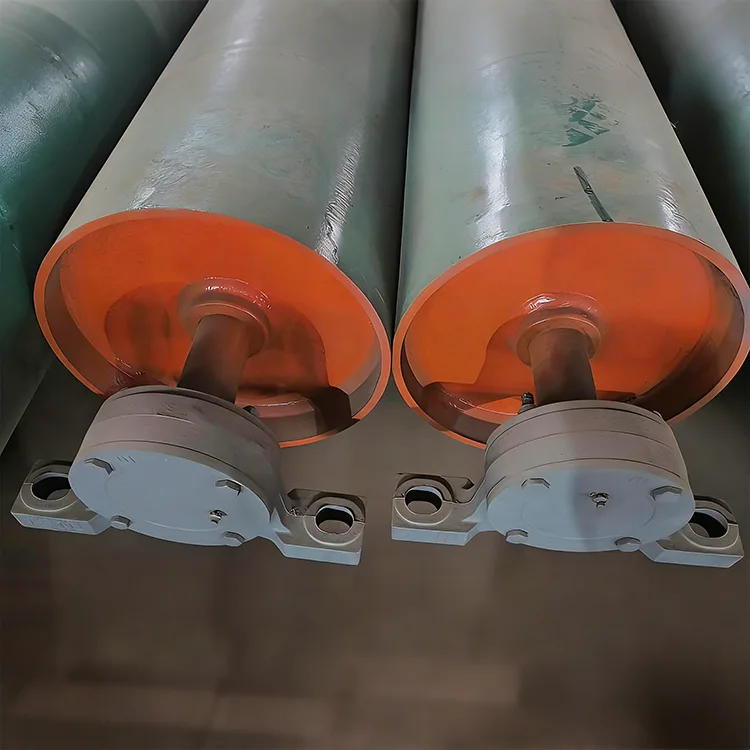
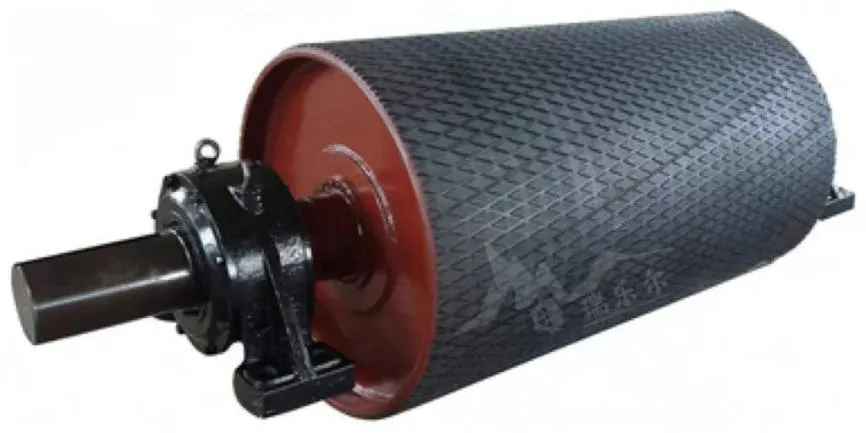
Adopt anti-slip pulleys such as ceramic lagged pulleys and diamond patterned lagging pulleys. Their surface textures greatly boost friction against the conveyor belt, reducing slippage under no-load and light-load conditions.
Regularly refurbish old smooth-surface pulleys with rubber lagging. Promptly remove coal dust, sediment, oil stains and other contaminants on pulley surfaces to keep the driving contact area clean and dry.
2.Adjust belt tension appropriately
Check if the hydraulic pressure is normal; increase the tension if necessary. Check the position of the counterweight and add appropriate counterweights. Evenly adjust the tension bolts on both sides.
Tension adjustment should be done gradually to avoid excessive tension that could damage the conveyor belt. After adjustment, observe the conveyor belt's operation to ensure it does not slip or become overly tight.
3.Standardize on-site operating conditions
During daily production, it is strictly forbidden to feed large quantities of material at once. Feeding should be uniform and at a constant speed to avoid sudden increases in load exceeding the equipment's transmission capacity, which could cause conveyor belt slippage.
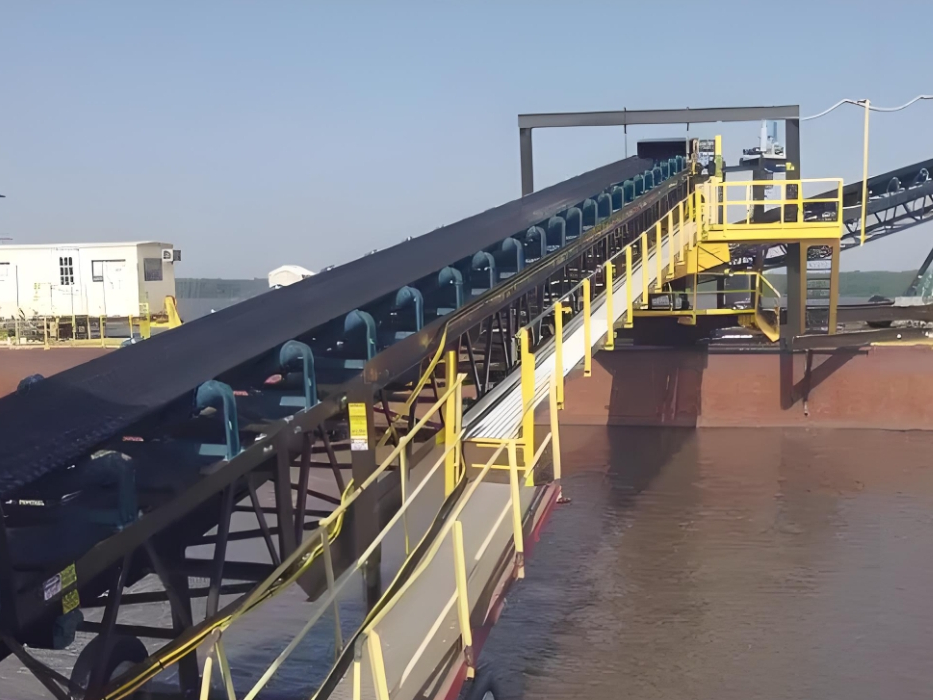
For steeply inclined, downward-moving belt conveyors, strictly control the material conveying volume to prevent the material from sliding down due to its own weight, which could cause the conveyor belt to slip in the opposite direction.
At the same time, the equipment start-up and shutdown process should be optimized, adopting a slow and stable start-up mode to reduce the transmission load at startup and decrease the probability of slippage during the start-up phase.
4.Strengthen daily inspection and maintenance
Check the wear condition of drive pulley lagging and replace severely worn lagging timely. Also inspect the working surface abrasion of conveyor belt to prevent excessive wear of rubber layer.
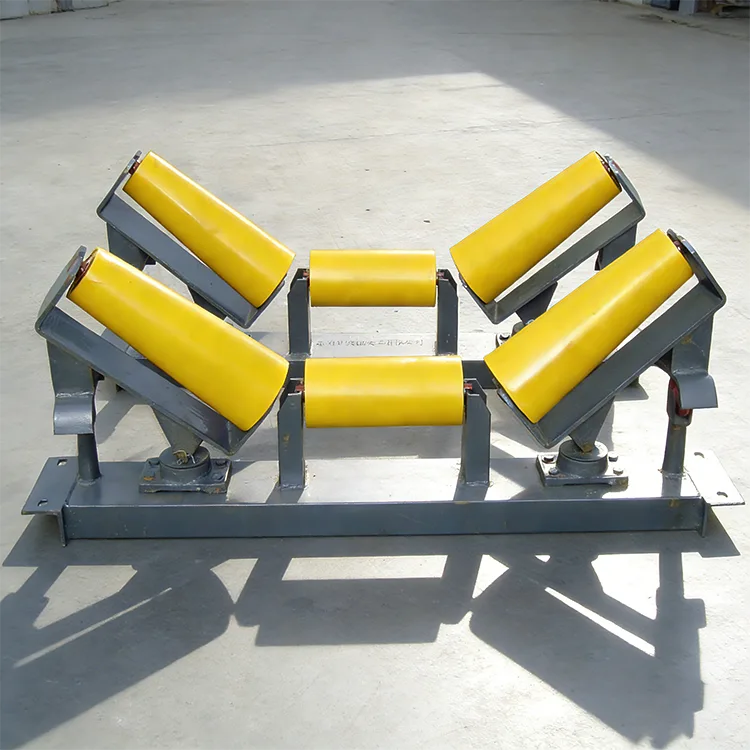
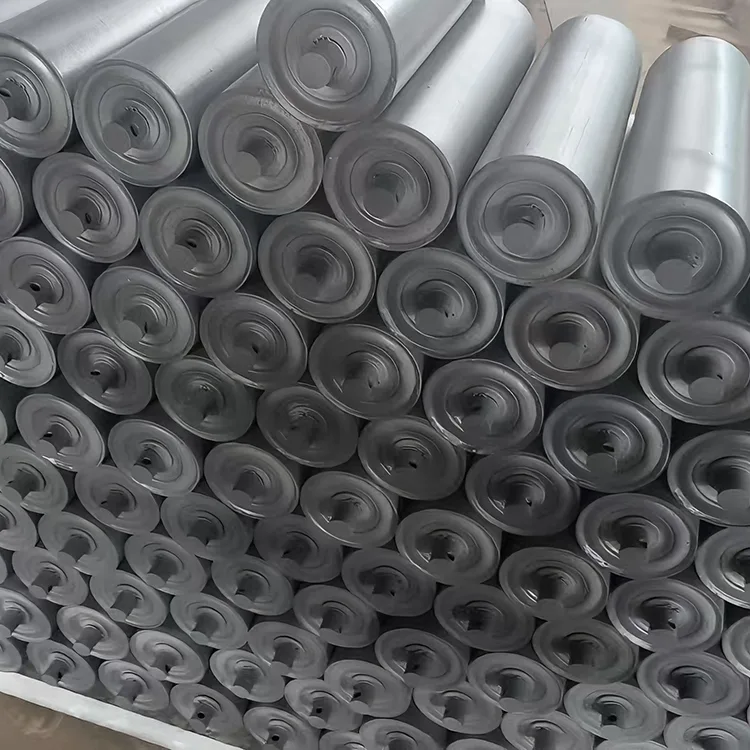
Ensure all idlers rotate flexibly. Replace stuck or inflexible idlers, and regularly clear oil stains and accumulated materials on pulleys and conveyor belt surfaces.
5.Adaptable to special working conditions
In rainy, outdoor operating conditions, promptly clean water from the rollers and conveyor belt surfaces, and install rain and dust protection devices to reduce the impact of environmental media on the transmission surfaces.
In low-temperature operating conditions, preheat the equipment to prevent conveyor belt hardening and reduced flexibility, which can lead to frictional failure and slippage.
Related News
- How to Inspect and Replace Drive Pulley Lagging?
- What are the safety regulations for mining belt conveyors?
- What are the root causes of high energy consumption in conveyor drive systems?
- Selection guide for primary cleaner
- What are the precautions for the maintenance and repair of conveyor belts?
- What should be noted in the selection of conveyor pulleys?
Leave me a message