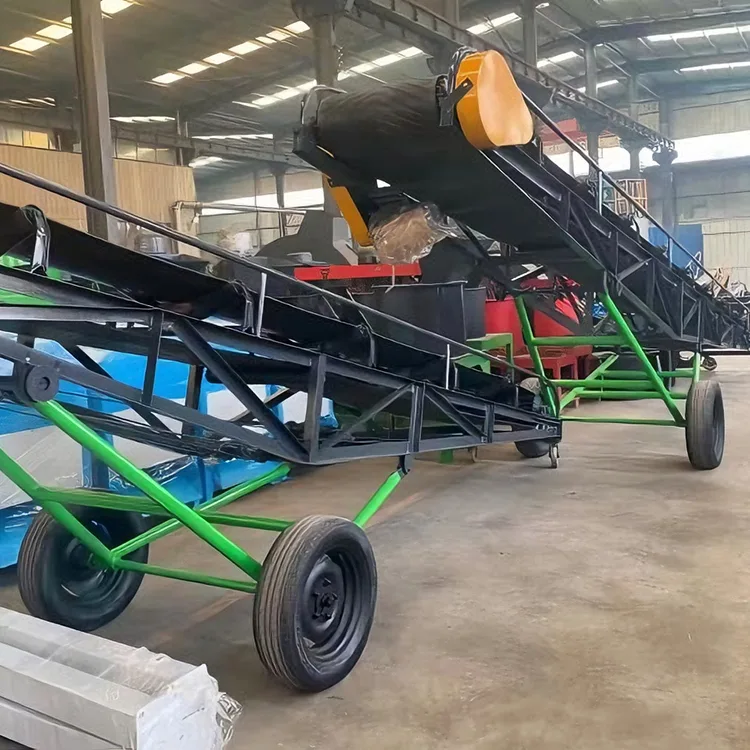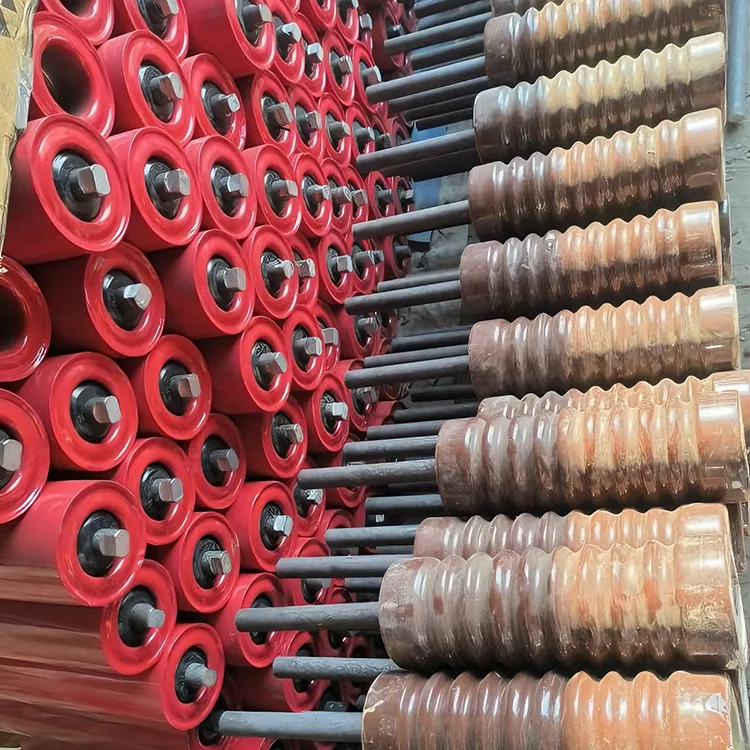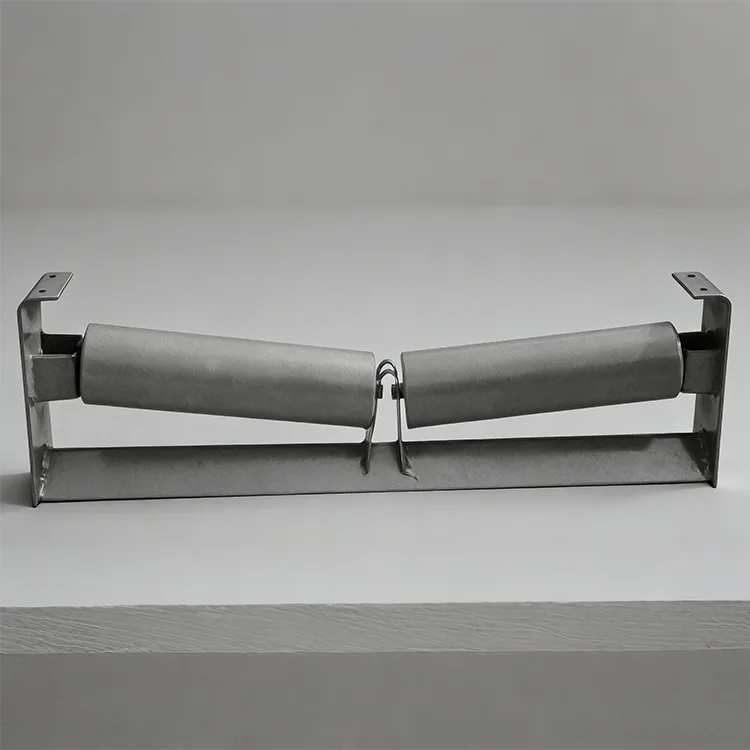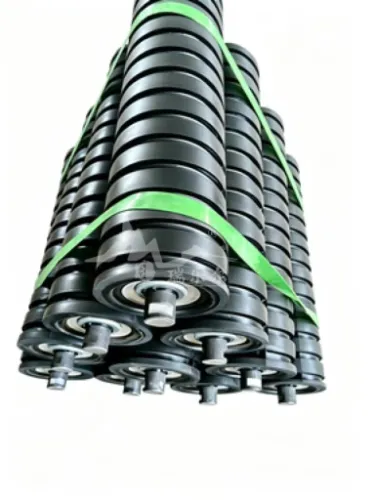

Why does long-distance belt conveyor keep spilling material and drifting off track? The trough idlers hold the answer.
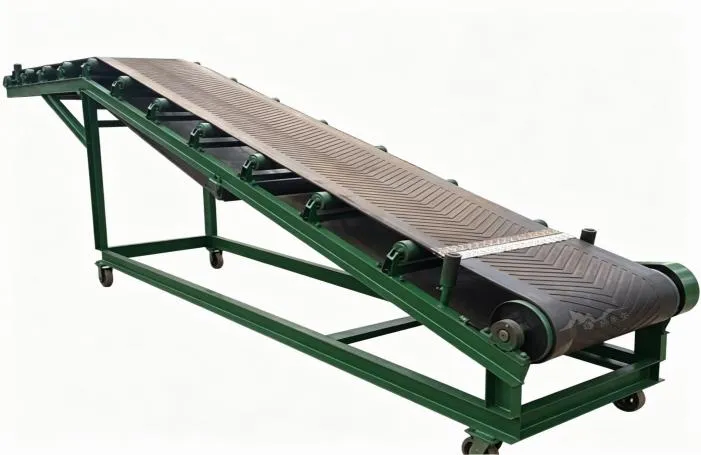
Long-distance belt conveyors are efficient conveying equipment for mine operation and maintenance, but if there is material leakage along the line, material accumulation on the return trip, or belt scraping against the frame, then you are facing two core problems: material spillage and belt deviation. Most people mistakenly believe that the fault lies with the belt and plan to overhaul the entire machine. In fact, the root cause of the problem is often the trough idler rollers under the belt.
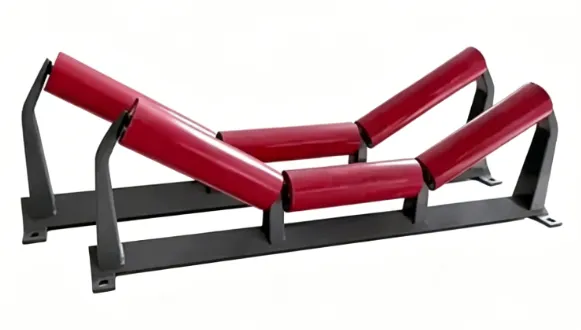
Problem 1: Continuous Material Spillage (Why does material fall off both sides of the conveyor belt)?
Spillage rarely occurs at the center of three-roll trough idler sets, and usually emerges at transition sections or sagging belt areas caused by excessively large idler spacing.
1.Incorrect trough angle selection
For long-distance conveyors, the standard trough angle is normally 35° or 45°. If three-roll idler sets with a 20° trough angle are adopted, the belt cannot form a sufficiently deep trough profile, making materials prone to rolling off both sides.
Solution: Select 35° trough angle for ore with uneven particle size; 45° trough angle is recommended for fine powdery and high-flow materials to effectively avoid spillage.
2.Worn or seized centre idler roller
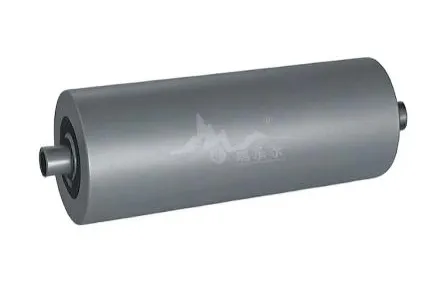
The center roller of a three-roll idler set bears the main impact from conveyed materials. When the outer diameter of the center roller reduces due to wear, or its bearing seizes up and stops rotating, the conveyor belt loses contact with the two side idlers and forms gaps, through which material leaks directly.
Solution: Regularly check the rotational flexibility and outer diameter wear of the intermediate rollers; replace them when the roller skin is excessively worn.
3.Excessive idler spacing
Long-distance conveyor belts have substantial dead weight. If the spacing of carrying trough idlers exceeds 1.2 m for standard belts or 1.0 m for impact sections, the belt sags between adjacent idlers. Upon traveling onto the subsequent idler, the belt bounces and shakes off conveyed materials over the belt edges.
Solution: Install idlers per design specifications; shorten idler pitch to ≤450 mm at loading areas.
Problem 2: Persistent Belt Deviation (Why does the belt always drift to one side)?
Belt deviation follows a fundamental rule: the belt always drifts toward the side where it first makes contact with the idler. Frequent off-center travel of your belt is most likely caused by improperly fitted trough idlers forcing the belt sideways.
1.Non-vertical installation of idler brackets
If the brackets of trough idlers are not mounted perpendicular to the belt running direction, the belt will drift toward the leading edge of the idlers. Even a 5 mm angular deviation within a 100-meter conveyor length will accumulate and result in severe belt deviation.
Solution: Inspect every idler set with the wire alignment method or laser collimator to guarantee perpendicularity to the belt centerline, with permissible tolerance ≤ 2 mm.
2.The angles of the two side idlers are inconsistent
In a standard three-idler set, the trough angles of the left and right wing idlers must be identical (e.g., both 35°). If the left is 37° and the right 33°, belt tension differs on both sides, inevitably causing the conveyor belt to drift toward the side with the larger trough angle.
Solution: Ensure identical trough angles for all trough idlers of one conveyor during model selection; verify with an angle ruler upon installation.
3.Material buildup on idler surface
In wet or sticky material conditions (e.g., clay, slime coal), carryback adheres to the idler surface and locally increases the idler’s effective diameter, resulting in belt deviation toward the enlarged side. Severe material buildup on one wing idler will cause persistent belt drift to that side.
Solution: Install multi-stage belt cleaners or idlers with anti-stick coatings on the conveyor and clean the accumulated material on the idler surface regularly.
When to Replace Trough Idlers Instead of Continuous Adjustment
If the aforementioned adjustments fail to resolve the problem, conduct a thorough inspection on the physical condition of existing idlers.
1.Severe shell wear
Replace idlers immediately when shell thickness wears down by over 30%. Reduced outer diameter alters belt tension. Failed seals: Rotate idlers by hand; abnormal noise or stoppage within one full rotation indicates damaged bearings. Seized idlers increase running resistance and induce belt deviation.
2.Shaft bending
Slightly bent idler shafts generate lateral oscillation during rotation, forcing the belt off-center.
Practical benefits for your on-site production
1.Your long-distance belt conveyor is not inherently defective. In most cases, material spillage and belt deviation stem directly from improper trough idler selection, incorrect installation or inadequate maintenance.
2.With proper inspection, standardized trough angle, installation of self-aligning idlers and timely replacement of high-precision idlers, you can achieve the following results:
Prevent edge tearing of the conveyor belt and extend belt service life.
Eliminate material buildup underneath the conveyor and improve on-site safety.
Looking for reliable trough idler suppliers?
Baoding Ruileier Transportation Equipment Manufacturing Co., Ltd. makes mining conveyors & complete accessories. Labyrinth permanent seal bearings plus CNC frames ensure ±1mm mounting precision. 35°/45° and custom trough angle three-piece idlers for long haul, high flow and tough environments.
Contact our engineers right away for a free copy of the Conveyor Idler Alignment Checklist or an accurate quotation for replacement trough idlers.
Related News
- Does Pulley Material Buildup Reduce Conveyor Efficiency?
- How to Keep Mine Conveyors Running Safely Through the Rainy Season?
- How to Select Conveyor Frame Materials for Humid Environments?
- How to Inspect and Replace Drive Pulley Lagging?
- What are the safety regulations for mining belt conveyors?
- What are the root causes of high energy consumption in conveyor drive systems?
Leave me a message