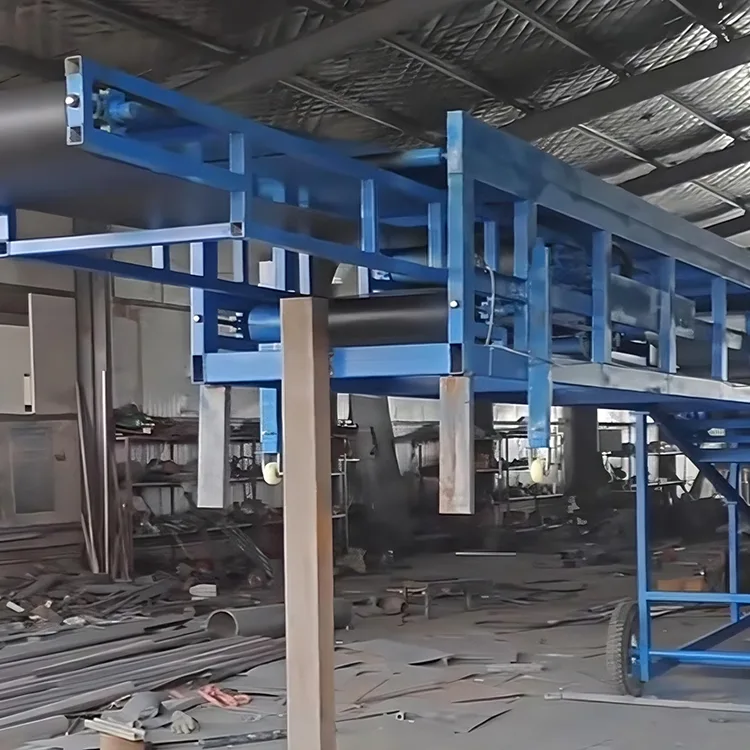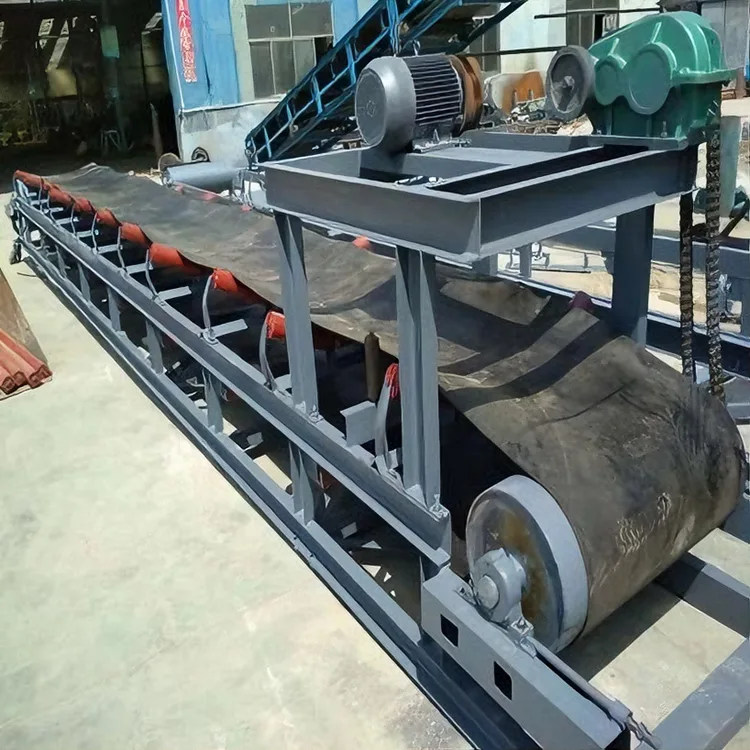


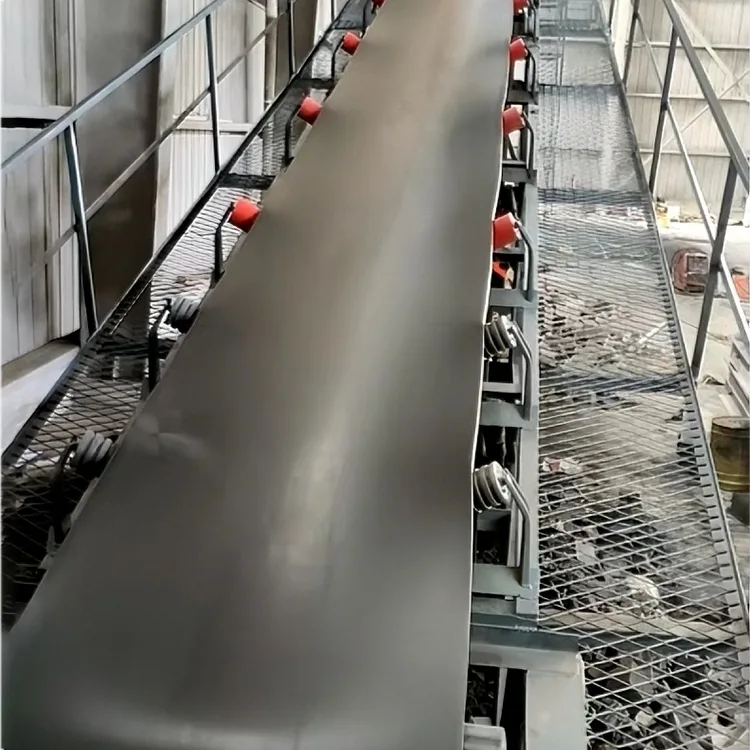
Fixed Overhead Belt Conveyor
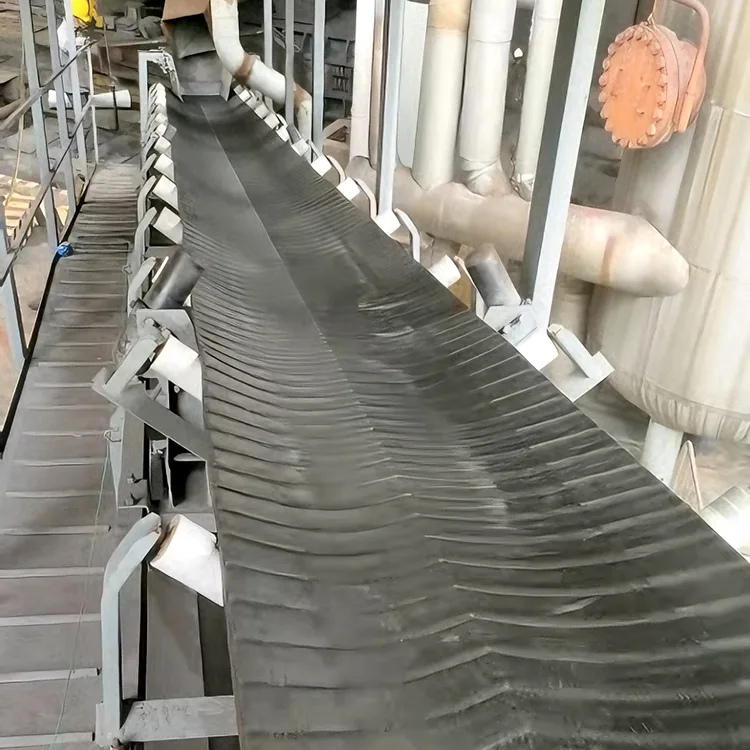
Fixed Overhead Belt Conveyor, made of high-quality Chinese carbon steel, with specifications ranging from belt width B500 to B2000. For more details about our belt conveyors, please contact us!
Fixed Overhead Belt Conveyor is a highly efficient material handling solution designed for continuous and stable overhead transportation in industrial production lines. As a professional China manufacturer and supplier, we provide reliable conveyor systems widely used in manufacturing, logistics, packaging, food processing, and assembly workshops.
Functions
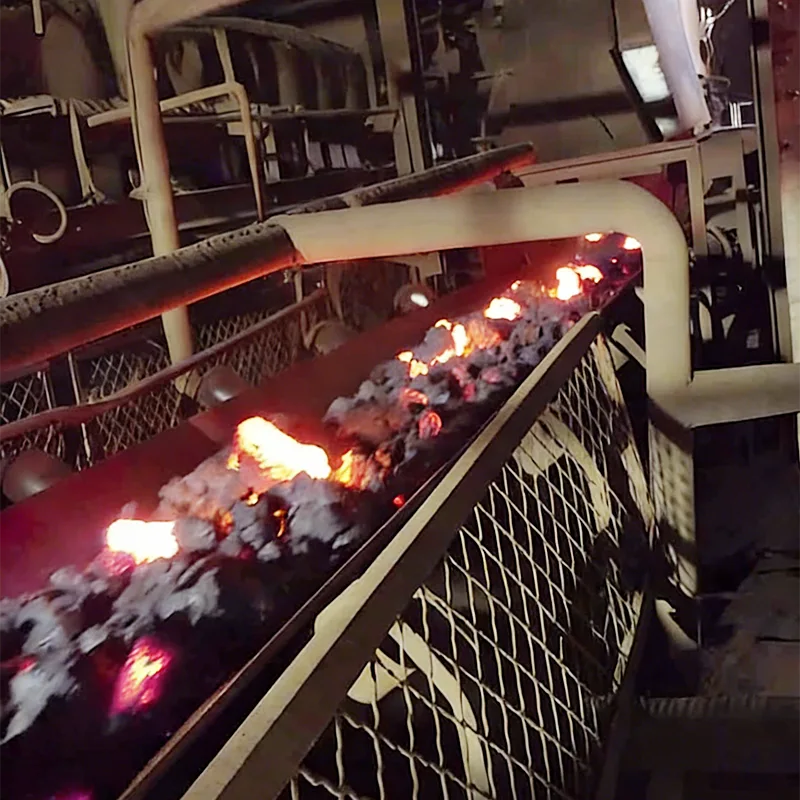
1.Achieve continuous conveying of bulk materials (such as coal, ore, grain, etc.) from a low position to a high position.
2.It can be integrated with feeding, unloading, and sorting equipment to form a complete material conveying system.
3.It can stably transfer materials under long-distance, steep-angle, and heavy-load conditions.
Advantages
1.High conveying efficiency: Stable operation and large conveying capacity, suitable for large-scale continuous production needs.
2.High adaptability: It can transport a variety of bulk materials and can be customized with different belt widths and speeds according to on-site working conditions
3.Stable and reliable: The fixed installation structure ensures a low failure rate during long-term operation, and is equipped with multiple protection devices such as anti-slip, anti-blocking and overload protection.
4.Low operating cost: The Fixed Overhead Belt Conveyor has a simple structure and convenient maintenance; energy consumption is relatively low under normal working conditions.
Notes
1.Material control: Prevent hard impurities with large particle sizes from mixing into the conveyed materials to avoid scratching and tearing the conveyor belt.
2.Inclination angle design: For large-inclination conveying, anti-slip conveyor belts or sidewall conveyor belts shall be adopted to prevent materials from sliding down during conveying.
3.Safety protection: Regularly inspect the tensioning device, brake and anti-reverse device to prevent the conveyor belt from slipping or reversing when the machine is shut down.
4.Daily maintenance: Regularly clean the surface of the conveyor belt and idler rollers, and timely add lubricating oil to the bearing parts to reduce friction loss.
5.Personnel safety: Safety guardrails and warning signs shall be set around the conveyor, and personnel are strictly prohibited from crossing when the conveyor belt is in operation.
Product Parameters
|
Product name |
Fixed Overhead Belt Conveyor |
|
Specification available |
B500.B650.B800.B1000.B1200.B1400.B1600.B1800.B2000........ |
|
Length |
Customized according to usage requirements (m) |
|
Material |
Carbon Steel |
|
Color |
Customizable on demand |
|
Do you provide samples? |
No |
|
Minimum order quantity |
Customizable on demand |
|
Production cycle |
Negotiable |
|
Warranty period |
1 year |
|
Payment Method |
Telegraphic Transfer (T/T) |
|
FOB Port of Loading |
Tianjin/Shanghai, China |
|
Place of origin |
Baoding, China |
When selecting and purchasing conveying equipment, the following issues need to be paid attention to:
1.What is the operating energy consumption of the equipment? What is the motor power?
The operating energy consumption of the equipment refers to the material conveying condition, and the motor power is calculated based on the material conveying capacity and speed.
2.What is the service life of wearing parts (conveyor belt, idlers, rollers)? What are the procurement price and supply cycle of accessories?
Generally, vulnerable parts need regular inspection and replacement according to usage conditions, and the production cycle is determined based on the provided dimensions and other requirements of the spare parts.
3.What steps are required for daily maintenance? Is professional operation needed?
1.Lubrication, inspection and replacement of precision moving parts (bearings, reducers, motors);
2.Repair of conveyor belt joints (hot vulcanization/cold bonding) and precise calibration of belt deviation;
3.Inspection, calibration and maintenance of electrical systems (frequency converters, sensors, safety devices);
4.Inspection and replacement of special components for high-temperature/corrosive working conditions (heat insulation sleeves, anti-corrosion seals, stainless steel idlers);
5.Fault diagnosis and troubleshooting (e.g., bearing abnormal noise, severe conveyor belt deviation, motor overload, etc.).
4.Key Notes for Daily Maintenance
1.Safety First: All maintenance operations must be carried out after the equipment is shut down, power is cut off and a maintenance tag is hung. For high-temperature working conditions, wait for the equipment to cool to room temperature; for chemical working conditions, wear protective gear (gloves, masks, goggles) as required.
2.Wearable Parts Management: Stock up on commonly used wearable parts (idlers, seals, wear-resistant liners) in advance, and select suitable types (high-temperature/anti-corrosion) according to material characteristics to avoid lack of matching parts for temporary replacement.
3.Record Filing: Establish a complete maintenance ledger to record the time, content, replaced parts and abnormal conditions of spot checks, maintenance and overhauls, facilitating the traceability of equipment operation status and fault prediction.
4.Working Condition Adaptation: Shorten the maintenance cycle appropriately for high-temperature/corrosive working conditions (e.g., change monthly lubrication to biweekly, quarterly overhaul to bimonthly), and strengthen the inspection of wearable parts and seals as key points.
5.Does the equipment have safety devices such as overload protection, belt breakage warning and anti-deviation?
Three Core Devices + Supporting Safety Devices: Forming a Full-Link Protection System
In industrial practical applications, the overload protection, belt breakage protection and deviation prevention devices must be interlocked with supporting devices such as rope pull emergency stop switches, slip detection switches and material flow detection switches to realize the whole-process control of monitoring - early warning - alarm - shutdown - protection. The specifications of the core supporting devices are as follows:
1.Rope Pull Emergency Stop Switch: Installed along both sides of the conveyor frame in the entire length; the machine shuts down immediately once the pull rope is triggered. It is applicable to on-site emergencies (e.g., personnel straying into the working area, massive material spillage) and mandatory for all working conditions.
2.Slip Detection Switch: Mounted at the contact position between the roller and the conveyor belt to monitor belt slippage (e.g., the roller rotates while the belt does not). An alarm/shutdown will be activated when the slippage exceeds the threshold, preventing belt abrasion, burning and material accumulation.
3.Material Flow Detection Switch: Installed at the guide chute to monitor the material conveying capacity and prevent material blockage (a precursor to overload), and it is interlocked with the overload protection device.
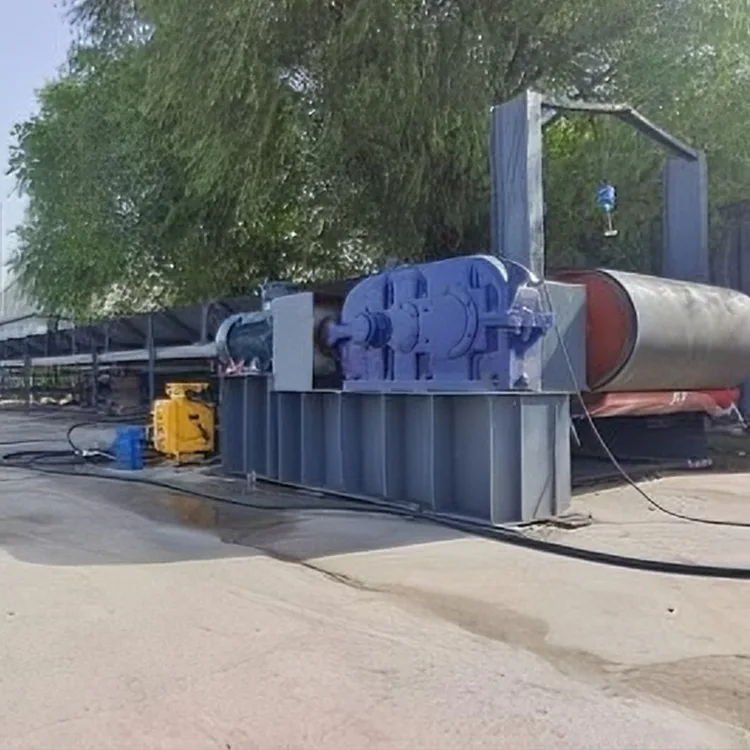
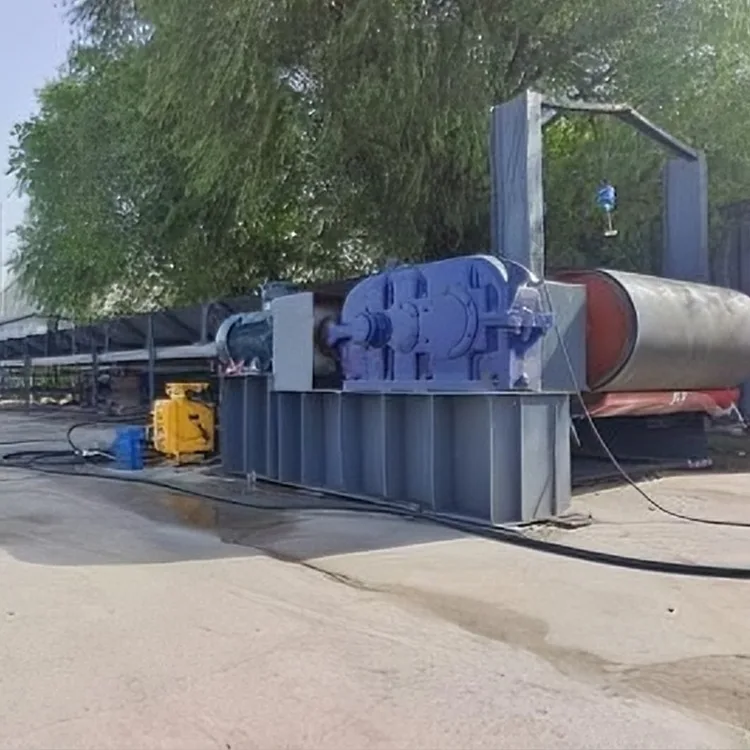
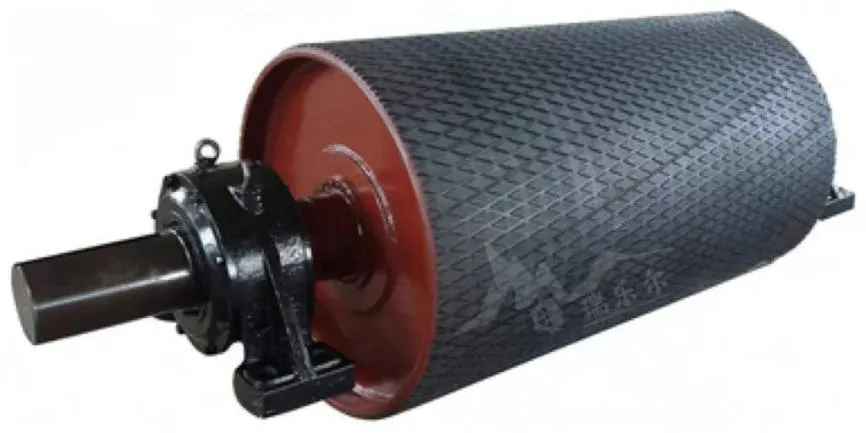
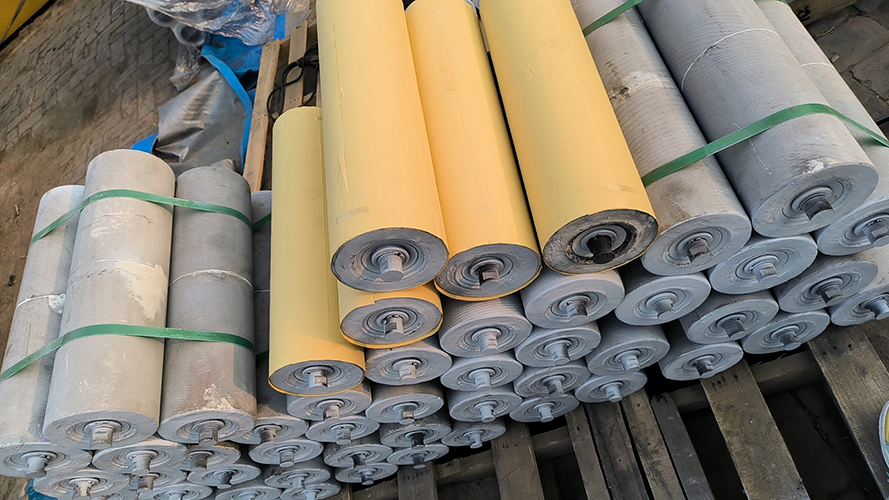
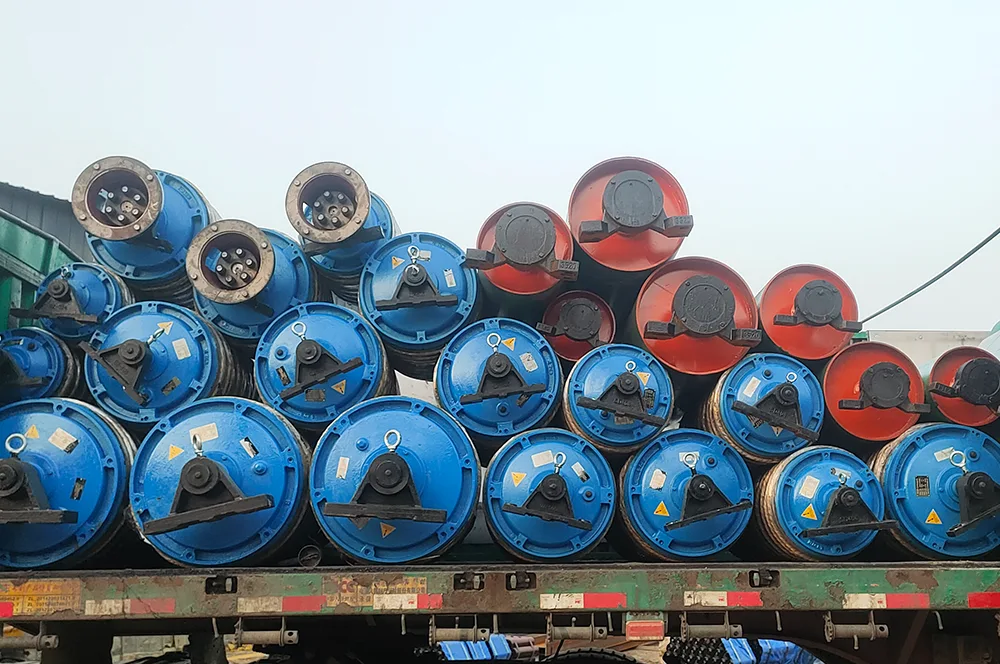
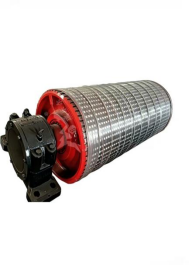
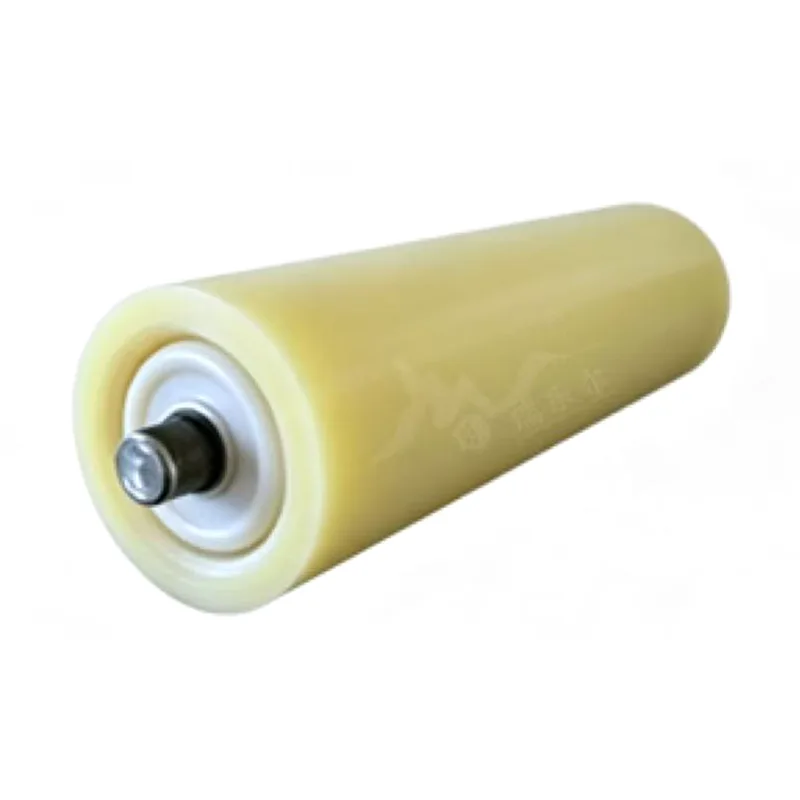
Main Components of Conveying Equipment:
1.Drive Unit
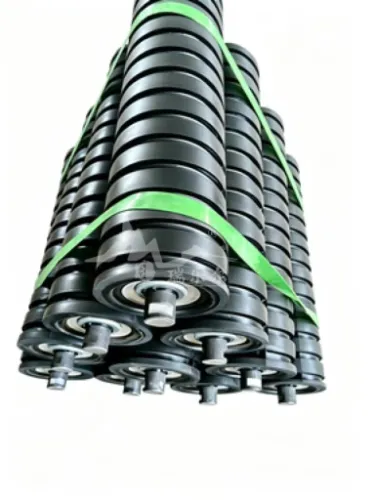
2.Idler Set
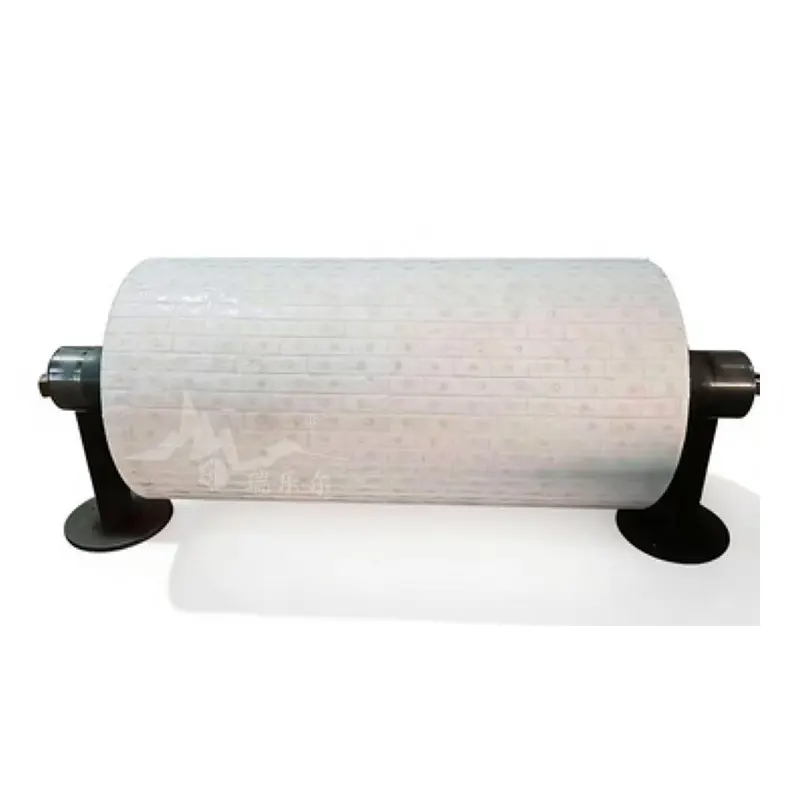
3.Roller Set
4.Integrated Frame
5.Protection Device
6.Conveyor Belt
7.Electrical System
Hot Tags: Fixed Overhead Belt Conveyor Manufacturer, Overhead Belt Conveyor Supplier, Custom Overhead Conveyor Systems
Send Inquiry
Contact Info
-
Address
Donghuan Industrial Zone, Boye County, Baoding City, Hebei Province, China
-
Tel
-
E-mail
Looking for a reliable conveyor equipment factory in China?
Send your inquiry to Rui Le’er to receive professional technical advice, customized conveyor solutions, and competitive factory pricing directly from the manufacturer.