
How to Stop Material Spillage at Conveyor Discharge Chutes: 5 Proven Fixes
In mining and heavy industrial operations, persistent material spillage at the conveyor head section is directly eroding your bottom line. Conveyor bulk material loss not only accelerates belt wear and component failure, but also significantly drives up manual cleanup costs and poses severe safety hazards. The root cause usually lies in a mismatch between material velocity, chute design, and component alignment.
A.Optimize Chute Geometry & Install Adjustable Baffles
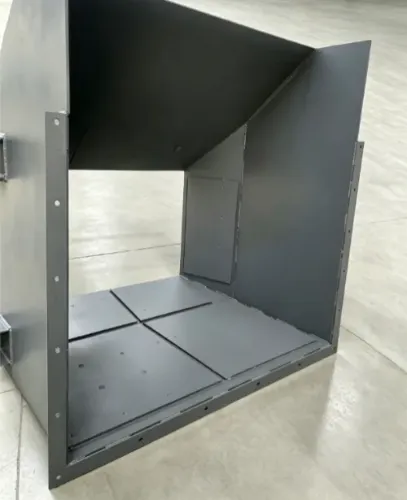
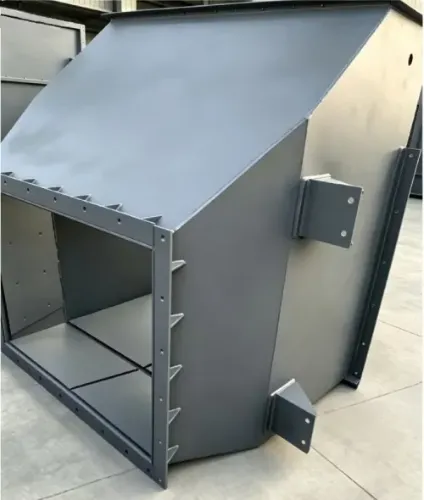
Standard, one-size-fits-all discharge chutes often fail when handling varying ore types or moisture levels. If the drop angle is too steep, material bounces chaotically; if it is too shallow, plugging occurs.
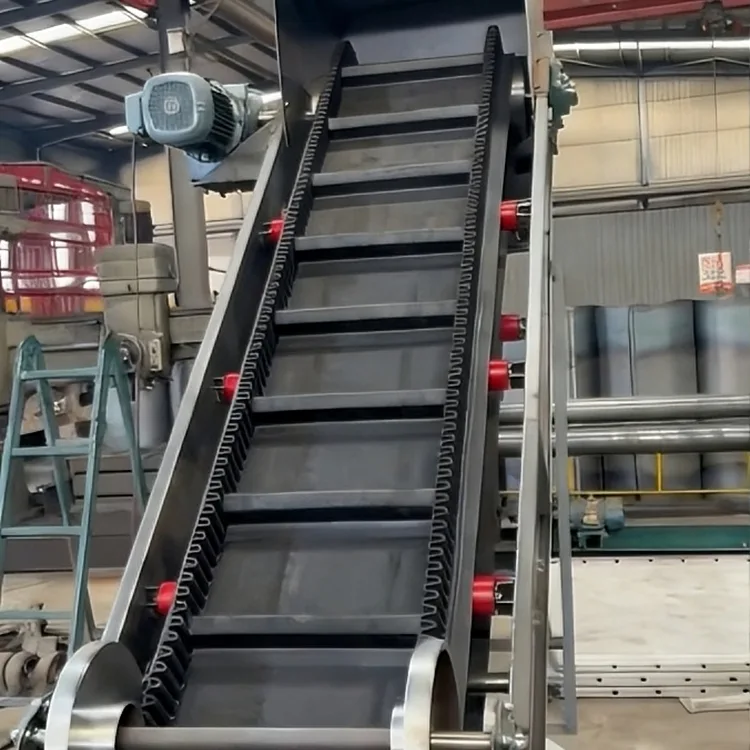
· The Fix: Transition to engineered chute designs that control the material stream. Implementing adjustable baffle chutes allows site engineers to fine-tune the material's trajectory, ensuring it hits the center of the receiving belt smoothly without splashing or creating excessive dust.
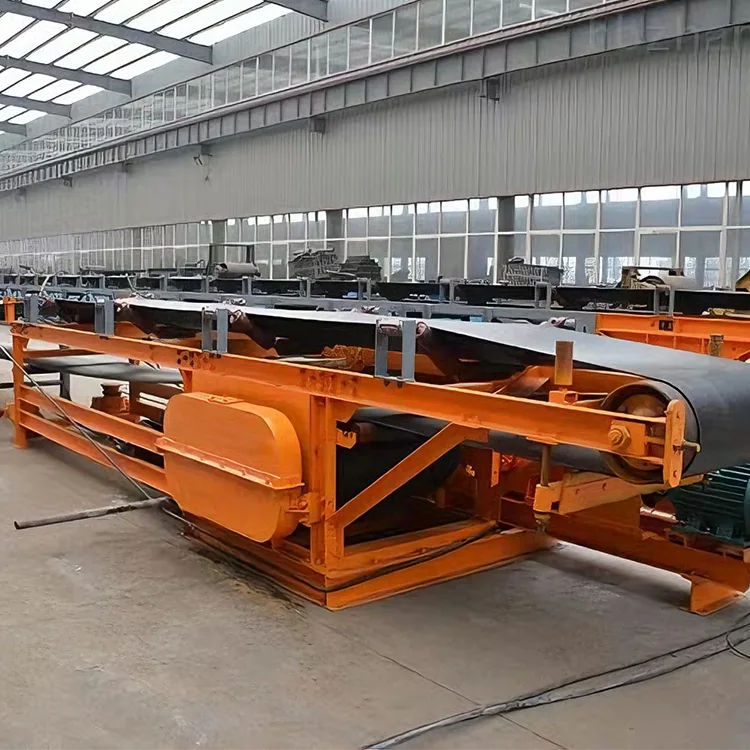
B.Ensure Precise Alignment of Head Pulleys and Idler Brackets
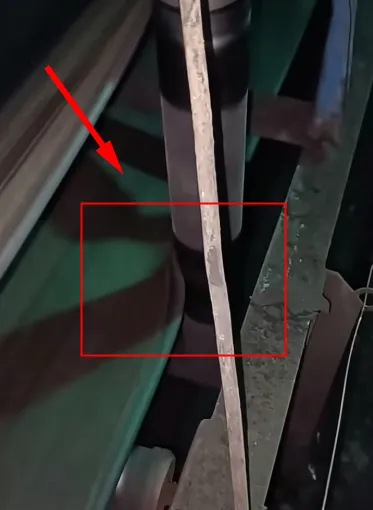
You cannot fix a spillage problem at the chute if the conveyor belt entering the discharge zone is mistracking. Even a few millimeters of off-center tracking will cause the material column to shift, leading to massive spillage at the head lip.
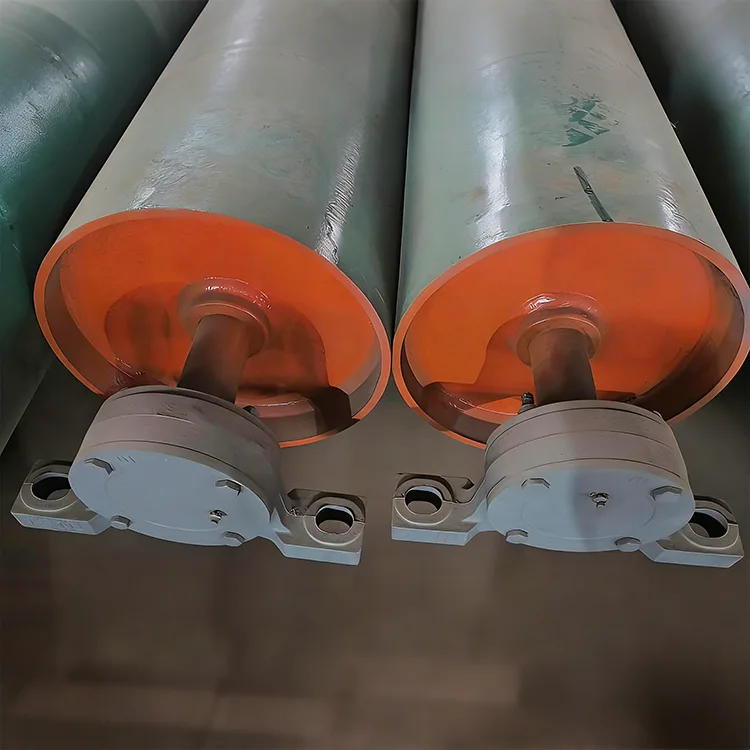
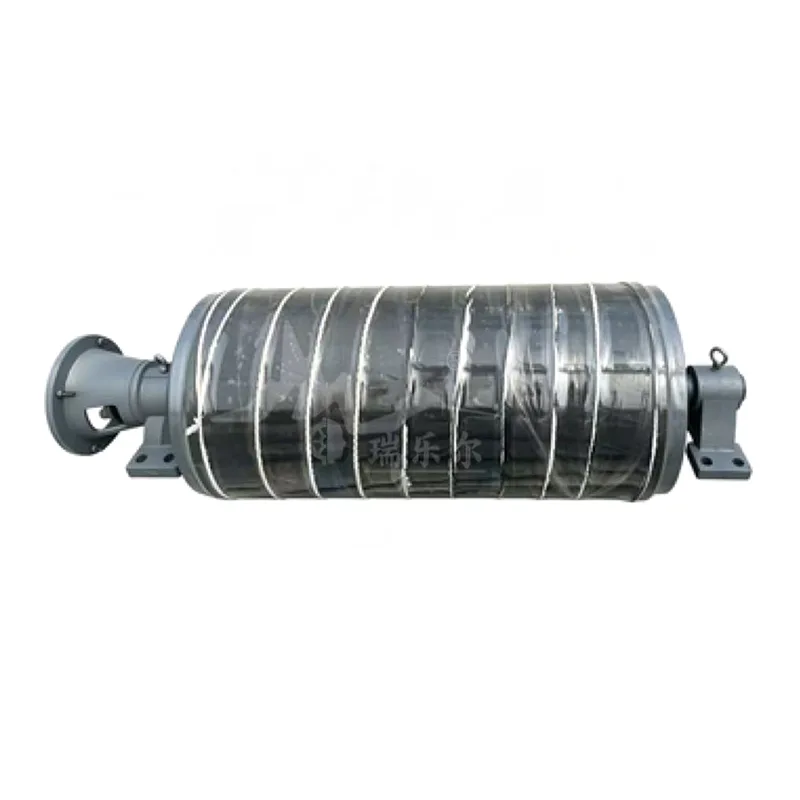
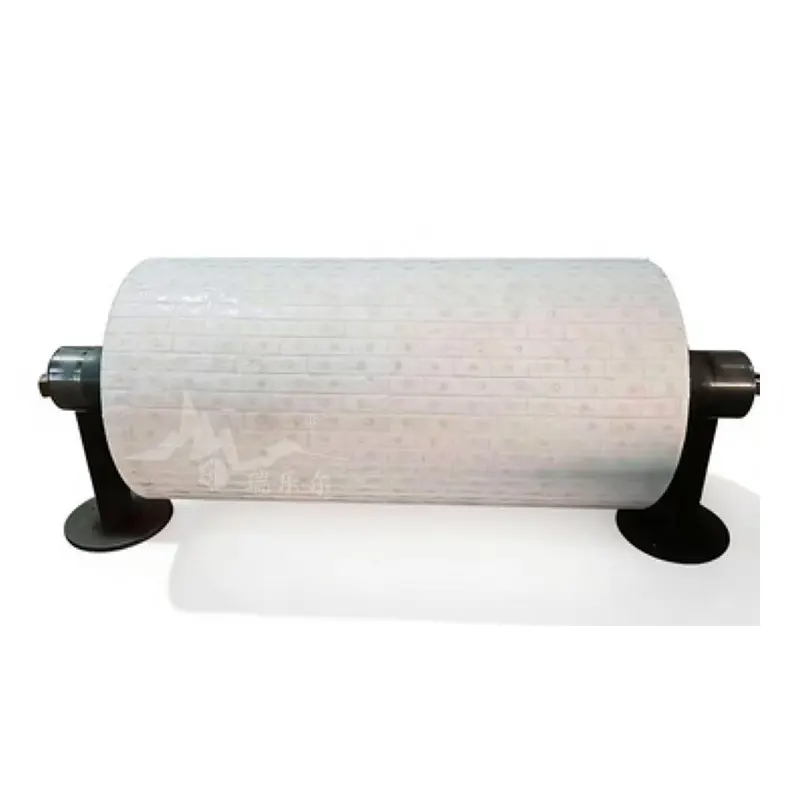
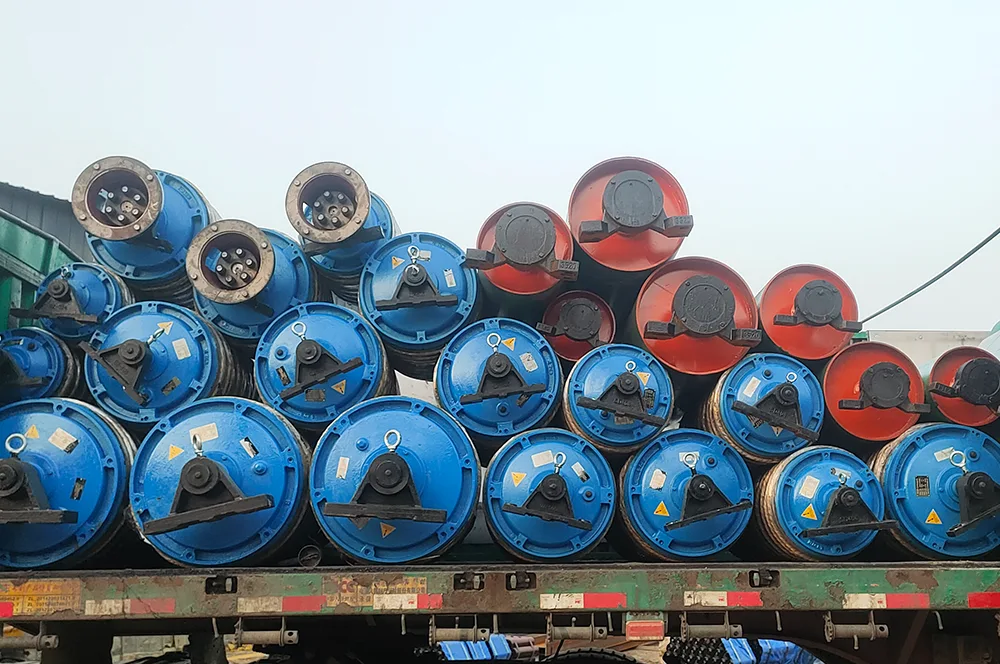
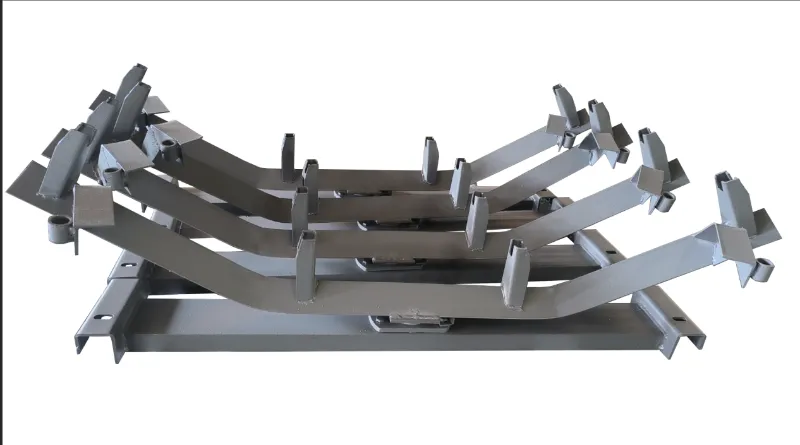
· The Fix: Inspect the structural integrity of your head frame. Ensure that your discharge/drive pulleys are perfectly square to the conveyor centerline. Additionally, utilize heavy-duty, reinforced idler brackets just before the transition zone to guarantee the belt remains perfectly stabilized as it enters the conveyor discharge chute.
· Note: A stable belt profile is the foundation of a spill-free transfer point. If your idler brackets or pulleys are warped due to heavy-load impacts, no amount of rubber skirting will stop the spillage.
C.Upgrade to High-Performance Impact & Material Sealing Systems
The point where the material leaves the conveyor discharge chute and drops into the feed bin or receiving conveyor is highly vulnerable. Standard rubber flaps quickly degrade under the abrasive friction of mining materials.
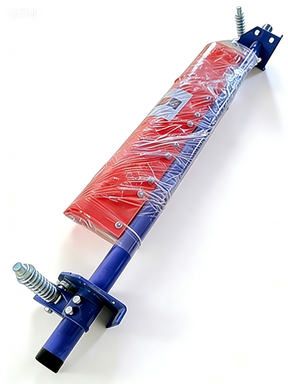
· The Fix: Install a comprehensive sealing system utilizing dual-layer skirting that seals against the belt using self-adjusting pressure. Pair this with polyurethane wear liners inside the chute to absorb the kinetic energy of falling rocks and keep the material directed exactly where it belongs.
D.Implement Proper Flow Control in Feed Bin Chutes
When high-volume mining operations drop material directly into a feed bin hopper, the sudden compression of air can blow fine particles and dust backward out of the chute openings.
· The Fix: Optimize your feed bin chutes with rock boxes or internal shelf liners. These features create a "stone-on-stone" sliding effect, which not only drastically reduces wear on the steel structure but also slows down the material stream, minimizing dust blowbacks and peripheral spillage.
E.Transition to Heavy-Duty, Low-Runout Conveyor Rollers
Vibration is a silent contributor to material spillage. When low-quality rollers with high Total Indicated Runout (TIR) are used near the head section, they cause the belt to vibrate or "flap," throwing smaller material off the sides before it even reaches the chute.
· The Fix: Equip the head transition zone with precision-manufactured, heavy-duty conveyor rollers (idlers). Low-runout rollers ensure smooth, whisper-quiet belt operation, keeping the material bed static and perfectly contained until the exact moment of discharge.
Look at the System, Not Just The Chute
1.Eliminating conveyor spillage requires looking at the head section as a cohesive ecosystem. The conveyor discharge chute, drive pulley, idler brackets, and rollers must all work in perfect engineering harmony to handle high-capacity bulk materials cleanly.
2.Looking to Upgrade Your Conveyor System?
· As a full-suite manufacturer of heavy-duty mining conveyor systems and premium components—including precision rollers, robust pulleys, heavy idler brackets, and custom conveyor discharge chutes—we help global mining operations cut downtime and eliminate material loss.
· Feel free to contact our engineering team to get tailored technical drawings or a quick quote for your next project upgrade.
Related News
- Incomplete Discharge from Conveyor Plow Diverters? 3 Root Causes and Industrial-Grade Solutions
- Why the Wire Ropes of Horizontal Gravity Take-ups HGTU Break Frequently? Root Cause Analysis and Practical Checklist
- Why do conveyor idler brackets fracture easily in heavy-duty mining areas?
- Guide to Daily Inspection and Quick Replacement of High-Elastic Buffer Bars in Guide Chute Under Harsh Copper Mine Conditions
- What is carryback? How to eliminate it?
- How to Stop Belt Edge Wear Against Conveyor Frame
Leave me a message